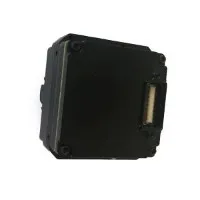

When it comes to selecting the right uncooled camera core, there are numerous factors to consider. As a trusted supplier of Uncooled Camera Cores, I understand the importance of making an informed decision. In this blog, I'll share valuable insights to help you choose the most suitable uncooled camera core for your specific needs.
Understanding Uncooled Camera Cores
Uncooled camera cores are at the heart of many thermal imaging systems. Unlike cooled camera cores, which require complex and expensive cooling mechanisms to operate at low temperatures, uncooled camera cores can function at room temperature. This makes them more cost - effective, compact, and reliable for a wide range of applications.
Uncooled camera cores work based on microbolometer technology. Microbolometers are tiny sensors that detect infrared radiation and convert it into an electrical signal. These signals are then processed to create a thermal image. The simplicity and efficiency of this technology have made uncooled camera cores popular in various fields, including security, surveillance, industrial inspection, and automotive safety.
Key Factors to Consider
Resolution
Resolution is one of the most critical factors when choosing an uncooled camera core. It refers to the number of pixels in the image sensor, which determines the level of detail that can be captured. Higher resolution camera cores can provide clearer and more detailed thermal images, making them ideal for applications where precise identification and analysis are required.
For example, in security and surveillance, a high - resolution camera core can help identify intruders from a distance, while in industrial inspection, it can detect small defects or anomalies in machinery. However, higher resolution also means higher cost and potentially larger power consumption. So, you need to balance your requirements with your budget and power constraints.
Sensitivity
Sensitivity, often measured as Noise Equivalent Temperature Difference (NETD), indicates the ability of the camera core to detect small temperature differences. A lower NETD value means better sensitivity, allowing the camera to detect even the slightest temperature variations.
In applications such as medical diagnosis or scientific research, high sensitivity is crucial as it enables the detection of subtle temperature changes in the human body or experimental samples. When choosing a camera core, look for a low NETD value to ensure accurate and sensitive thermal imaging.
Frame Rate
Frame rate refers to the number of frames per second (fps) that the camera core can capture. A higher frame rate is essential for applications where fast - moving objects need to be monitored, such as in automotive or aerospace applications.
For instance, in automotive night vision systems, a high frame rate ensures that the driver can see real - time thermal images of the road ahead, even when the vehicle is moving at high speeds. However, like resolution, a higher frame rate also consumes more power and may increase the cost of the camera core.
Wavelength Range
The wavelength range of an uncooled camera core determines the types of infrared radiation it can detect. Most uncooled camera cores operate in the long - wave infrared (LWIR) range, typically between 8 - 14 micrometers. This range is well - suited for many applications because it can penetrate through fog, smoke, and dust, providing clear images in adverse environmental conditions.
However, some applications may require a different wavelength range. For example, in some industrial processes, the mid - wave infrared (MWIR) range (3 - 5 micrometers) may be more suitable for detecting specific types of materials or gases. Consider the specific requirements of your application when choosing the wavelength range of the camera core.
Size and Form Factor
The size and form factor of the camera core are important considerations, especially for applications where space is limited. Miniature camera cores are becoming increasingly popular in applications such as drones, wearable devices, and small - scale surveillance systems.


Miniature Uncooled Infrared Camera Cores offer a compact and lightweight solution without compromising on performance. They can be easily integrated into various devices, providing flexibility and convenience.
Power Consumption
Power consumption is another crucial factor, especially for battery - powered applications or systems where energy efficiency is a priority. Lower power consumption not only extends the battery life but also reduces heat generation, which can improve the reliability and stability of the camera core.
When comparing different camera cores, pay attention to their power consumption specifications and choose the one that meets your power requirements. Some camera cores are designed with power - saving features, such as automatic sleep mode or adjustable frame rate, which can further reduce power consumption.
Application - Specific Considerations
Security and Surveillance
In security and surveillance applications, the camera core should be able to provide clear and reliable thermal images in all lighting conditions. High resolution and sensitivity are essential for detecting and identifying potential threats. Additionally, a wide field of view can cover a larger area, reducing the number of cameras needed for a given surveillance area.
Thermal Camera Module can be a great option for security and surveillance, as they are often pre - integrated with lenses and other components, making them easy to install and use.
Industrial Inspection
For industrial inspection, the camera core needs to be able to withstand harsh environments and provide accurate temperature measurements. High resolution and sensitivity are also important for detecting small defects or overheating components in machinery.
Some industrial applications may require the camera core to have a specific wavelength range or be able to operate at high temperatures. Make sure to choose a camera core that is designed to meet the specific requirements of your industrial application.
Automotive Safety
In automotive safety applications, such as night vision systems, the camera core should have a high frame rate to capture fast - moving objects on the road. It also needs to be reliable and durable, as it will be exposed to various environmental conditions, including vibrations, temperature changes, and humidity.
Infrared Thermal Imaging Camera can enhance automotive safety by providing drivers with a clear view of the road ahead, even in low - light or adverse weather conditions.
Conclusion
Choosing the right uncooled camera core requires careful consideration of multiple factors, including resolution, sensitivity, frame rate, wavelength range, size, and power consumption. By understanding your specific application requirements and balancing them with your budget and technical constraints, you can select a camera core that provides the best performance and value for your needs.
As a leading supplier of Uncooled Camera Cores, we offer a wide range of products with different specifications to meet the diverse needs of our customers. If you are interested in learning more about our products or need help in choosing the right camera core for your application, please feel free to contact us for a detailed consultation. We are committed to providing you with the best solutions and excellent customer service.
References
- "Thermal Imaging Handbook" by Michael Vollmer and Christoph Bruckner
- "Infrared Technology and Applications" by Richard D. Hudson
- Industry reports on thermal imaging technology and market trends