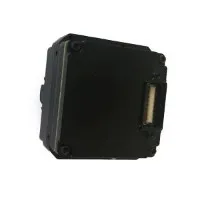

As a supplier of Thermal Camera Modules, I often encounter questions from customers about the lifespan of these modules. Understanding the lifespan of a Thermal Camera Module is crucial for both end - users and businesses, as it directly impacts the long - term cost, reliability, and performance of the thermal imaging systems. In this blog, I will delve into the factors that affect the lifespan of a Thermal Camera Module and provide some insights based on our experience in the industry.
Factors Affecting the Lifespan of a Thermal Camera Module
1. Component Quality
The quality of the components used in a Thermal Camera Module is one of the most significant factors influencing its lifespan. High - quality detectors, lenses, and electronic components are more likely to withstand the test of time. For example, in our Uncooled Thermal Camera Modules, we use state - of - the - art uncooled microbolometer detectors. These detectors are designed with advanced materials and manufacturing processes, which can resist degradation over an extended period.
The lenses in a Thermal Camera Module also play a vital role. Premium lenses made from high - grade optical materials are less prone to scratches, yellowing, and other forms of deterioration. They can maintain their optical performance, ensuring clear and accurate thermal images throughout the module's lifespan.
2. Operating Conditions
The environment in which a Thermal Camera Module operates has a profound impact on its lifespan. Temperature, humidity, and vibration are some of the key environmental factors.
Temperature: Extreme temperatures can cause thermal stress on the components of the module. High temperatures can accelerate the chemical reactions within the detectors and electronic circuits, leading to faster degradation. On the other hand, low temperatures can affect the performance of the batteries (if the module is battery - powered) and cause mechanical contraction, which may lead to component failure. Our Thermal Camera Module is designed to operate within a wide temperature range, but continuous exposure to the upper or lower limits of this range will still reduce its lifespan.
Humidity: High humidity can cause corrosion of the electronic components and lenses. Moisture can seep into the module, leading to short - circuits and other electrical problems. To mitigate this, our modules are often equipped with moisture - resistant coatings and sealed enclosures to protect the internal components from the effects of humidity.
Vibration: In applications where the Thermal Camera Module is subject to continuous vibration, such as in vehicles or industrial machinery, the mechanical connections within the module can become loose over time. This can lead to misalignment of the lenses and detectors, resulting in degraded image quality and potential component failure.
3. Usage Patterns
How often and how intensively a Thermal Camera Module is used also affects its lifespan. Continuous operation for long periods without proper cooling or rest can cause overheating of the components. For example, in surveillance applications where the module is running 24/7, the detectors and other electronic parts are under constant stress. In contrast, a module used only occasionally for short - term inspections will generally have a longer lifespan.
Typical Lifespan Estimates
Based on our experience and industry standards, a well - maintained Thermal Camera Module can have a lifespan of 5 to 10 years. However, this is a rough estimate, and the actual lifespan can vary significantly depending on the factors mentioned above.


In some cases, with high - quality components, optimal operating conditions, and proper usage, a Thermal Camera Module can last even longer. For example, in laboratory settings where the environment is carefully controlled, and the module is used sparingly, it may exceed the 10 - year mark.
On the other hand, if the module is exposed to harsh operating conditions, such as in a mining or construction site, its lifespan may be significantly shorter, perhaps only 2 to 3 years.
Extending the Lifespan of a Thermal Camera Module
1. Proper Installation
Ensuring that the Thermal Camera Module is installed correctly is the first step in extending its lifespan. This includes proper alignment of the lenses, secure mounting to prevent vibration, and correct connection of the electrical cables. A professional installation can minimize the risk of mechanical and electrical problems from the start.
2. Regular Maintenance
Regular maintenance is essential for the long - term health of a Thermal Camera Module. This includes cleaning the lenses to remove dust and debris, checking the electrical connections for tightness, and inspecting the module for any signs of physical damage. Our technical support team can provide detailed maintenance guidelines to our customers to ensure that their modules are well - cared for.
3. Environmental Control
If possible, control the operating environment of the Thermal Camera Module. This can involve installing the module in a temperature - and humidity - controlled enclosure, or using vibration - dampening mounts. By reducing the impact of harsh environmental factors, the lifespan of the module can be significantly extended.
Applications and Lifespan Considerations
1. Surveillance
In surveillance applications, Infrared Thermal Imaging Camera modules are often required to operate continuously. To ensure reliable long - term performance, it is crucial to choose a high - quality module and provide proper environmental control. For example, in outdoor surveillance systems, the module should be protected from direct sunlight, rain, and extreme temperatures.
2. Industrial Inspection
In industrial inspection, Thermal Camera Modules are used to detect heat anomalies in machinery and equipment. The lifespan of the module in this application can be affected by the frequency of use and the harsh industrial environment. Regular calibration and maintenance are necessary to ensure accurate and reliable inspections over time.
3. Automotive
In automotive applications, Thermal Camera Modules are used for night vision and driver assistance systems. The module needs to withstand the vibrations and temperature variations associated with vehicle operation. Automotive - grade modules are designed to meet these requirements, but proper installation and maintenance are still key to ensuring a long lifespan.
Conclusion
The lifespan of a Thermal Camera Module is influenced by a variety of factors, including component quality, operating conditions, and usage patterns. As a supplier, we are committed to providing high - quality Thermal Camera Module products and offering comprehensive support to our customers. By understanding these factors and taking appropriate measures, users can extend the lifespan of their modules and get the most out of their investment.
If you are interested in purchasing Thermal Camera Modules or have any questions about their lifespan and performance, please feel free to contact us. Our team of experts is ready to assist you in finding the best solution for your specific needs. We look forward to the opportunity to discuss your requirements and engage in fruitful business cooperation.
References
- Industry reports on thermal imaging technology
- Manufacturer's specifications for Thermal Camera Modules
- Research papers on the reliability and lifespan of electronic components in thermal imaging systems