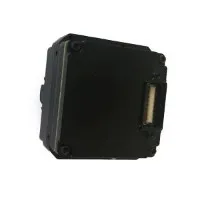

Hey there! As a supplier of LWIR (Long-Wave Infrared) Camera Cores, I often get asked about the size of these common camera cores. So, I thought I'd write this blog to share some insights on this topic.
Understanding LWIR Camera Cores
First off, let's quickly go over what LWIR camera cores are. These are the heart of thermal imaging cameras that operate in the long-wave infrared spectrum, which is typically around 8 - 14 micrometers. They can detect the heat radiated by objects and convert it into an image that we can see. This technology has a wide range of applications, from security and surveillance to industrial inspections and medical diagnostics.
Common Sizes of LWIR Camera Cores
Now, let's talk about the sizes. There isn't a one - size - fits - all when it comes to LWIR camera cores. The size can vary based on different factors like the resolution requirements, the intended application, and the technology used.
Low - Resolution Cores
For some basic applications where you don't need extremely detailed images, low - resolution LWIR camera cores are a popular choice. These cores usually have a resolution of around 160x120 or 320x240 pixels. In terms of physical size, they are relatively compact. The die size (the actual semiconductor chip) of a 160x120 core can be as small as a few millimeters on each side. The overall package size, which includes the die, the housing, and the necessary electronics, can be around 10 - 20 cubic centimeters. These small - sized cores are great for applications like small surveillance cameras, handheld thermal scanners for basic inspections, and even some consumer - grade thermal imaging devices.
Medium - Resolution Cores
When you need a bit more detail in your thermal images, medium - resolution cores come into play. A common medium - resolution option is the 640x512 pixel core. You can check out 640 Thermal Camera Cores for more details on this type. The die size of a 640x512 core is a bit larger than the low - resolution ones, typically around 1 - 2 centimeters on each side. The overall package size can range from 20 - 50 cubic centimeters. These cores are used in a variety of applications such as border security cameras, industrial monitoring systems where you need to detect small temperature differences in machinery, and some high - end consumer thermal cameras.
High - Resolution Cores
For applications that demand the highest level of detail, like scientific research, high - end military surveillance, and some advanced industrial inspections, high - resolution LWIR camera cores are used. Cores with resolutions of 1024x768 or even higher are available. The die size of these high - resolution cores can be 2 - 3 centimeters on each side, and the overall package size can be 50 - 100 cubic centimeters or more. These larger sizes are due to the increased number of pixels and the more complex electronics required to process the high - volume data.
Factors Affecting the Size
There are several factors that influence the size of LWIR camera cores.
Pixel Pitch
Pixel pitch refers to the distance between the centers of two adjacent pixels on the detector. A smaller pixel pitch allows for a higher resolution in a smaller area. However, manufacturing smaller pixel pitches is more challenging and expensive. Cores with smaller pixel pitches can have a more compact die size, which in turn can reduce the overall size of the camera core.
Cooling Requirements
Some LWIR camera cores require cooling to operate at their best. Cooled camera cores use a cryogenic cooler to lower the temperature of the detector, which improves the signal - to - noise ratio and the overall performance. These coolers add to the size and weight of the camera core. On the other hand, uncooled camera cores, which are more common in many applications, don't require a cooler, so they can be much smaller and more lightweight. You can explore Thermal Camera Cores to learn more about uncooled options.


Integration of Electronics
The amount of electronics integrated into the camera core also affects its size. Modern camera cores often come with built - in signal processing circuits, analog - to - digital converters, and communication interfaces. The more functionality that is integrated, the larger the core is likely to be. However, advancements in semiconductor technology are allowing for more features to be packed into smaller spaces.
Size and Application Considerations
When choosing an LWIR camera core, the size is an important consideration based on the application.
Portable Applications
For portable devices like handheld thermal cameras or drones, small - sized camera cores are essential. The compact size allows for easy handling and reduces the weight of the device, which is crucial for battery - powered applications. A small - sized core can also fit into the limited space available in a drone or a handheld scanner.
Fixed - Mount Applications
In fixed - mount applications such as security cameras or industrial monitoring systems installed in a factory, size may be less of a constraint. Here, the focus may be more on the resolution and performance of the camera core. However, even in these cases, a smaller size can be beneficial as it allows for easier installation and integration into existing systems.
Our Offerings
As a supplier of LWIR camera cores, we offer a wide range of sizes to meet different customer needs. Whether you're looking for a small, low - resolution core for a consumer - grade thermal camera or a high - resolution core for a scientific research project, we've got you covered. Our Thermal Camera Module is designed to be compact and easy to integrate, making it a great choice for many applications.
Connect with Us
If you're interested in purchasing LWIR camera cores or have any questions about the size and suitability for your application, don't hesitate to reach out. We're here to help you find the perfect solution for your thermal imaging needs.
References
- "Infrared Detectors and Systems" by Richard D. Hudson
- "Thermal Imaging Systems" by John G. Walker