
Hey there! As a supplier of Thermal Camera Modules, I'm super stoked to chat with you about what the interface of a Thermal Camera Module is all about.
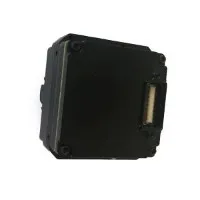
Let's start from the basics. A thermal camera module is a pretty nifty piece of tech. It can detect infrared radiation and turn it into a visible image that shows the temperature distribution of a scene. And the interface of this module is like the bridge that connects it to other devices, allowing for data transfer, control, and all sorts of cool stuff.
First off, there are different types of interfaces commonly used in thermal camera modules. One of the most popular ones is the USB interface. USB, or Universal Serial Bus, is something we're all familiar with. It's everywhere, from our computers to our phones. The great thing about using a USB interface in a thermal camera module is its simplicity and wide compatibility. You can easily plug the module into a computer or a USB - enabled device, and boom, you're ready to go. It allows for fast data transfer, which is crucial when you're dealing with thermal images that need to be processed quickly. For example, if you're using the Infrared Thermal Camera, a USB interface can ensure that the temperature data and the corresponding images are sent to your device in real - time.
Another common interface is the Ethernet interface. Ethernet is a standard for wired local area networks (LANs). When a thermal camera module has an Ethernet interface, it can be connected to a network. This is really useful in industrial or large - scale applications. For instance, in a factory where multiple thermal camera modules are installed to monitor the temperature of different machinery, an Ethernet interface allows all these modules to be connected to a central network. This way, the data from all the cameras can be collected, analyzed, and managed from a single location. You can think of it as a big team of cameras working together, and the Ethernet interface is the communication channel that keeps them all in sync. Our Thermal Camera Cores often come with Ethernet interfaces for such large - scale deployments.
Then there's the Serial interface. Serial interfaces, like RS - 232 or RS - 485, have been around for a long time. They're reliable and can be used in situations where long - distance communication is required. Serial interfaces work by sending data one bit at a time. This might seem slow compared to USB or Ethernet, but in some cases, it's exactly what you need. For example, in outdoor surveillance applications where the thermal camera module is located far away from the control center, a serial interface can provide a stable connection over long distances. Our LWIR Camera Cores can be configured with serial interfaces for such specific use cases.
Now, let's talk about the functions of these interfaces. The main function is, of course, data transfer. The thermal camera module captures the infrared data and turns it into an image. This data needs to be sent to a processing device, like a computer or a microcontroller. The interface is responsible for making sure that this data gets transferred accurately and efficiently.
But it's not just about data transfer. The interface also allows for control of the thermal camera module. You can use the connected device to adjust settings on the camera, like the gain, the integration time, or the temperature range. For example, if you're using the thermal camera to monitor a very hot object, you might need to adjust the temperature range on the camera to get an accurate reading. You can do this through the interface using software on your connected device.
In addition, the interface can also support power delivery in some cases. Some thermal camera modules can be powered directly through the interface, which simplifies the setup. For example, a USB - powered thermal camera module doesn't need a separate power supply, making it more portable and easier to use.

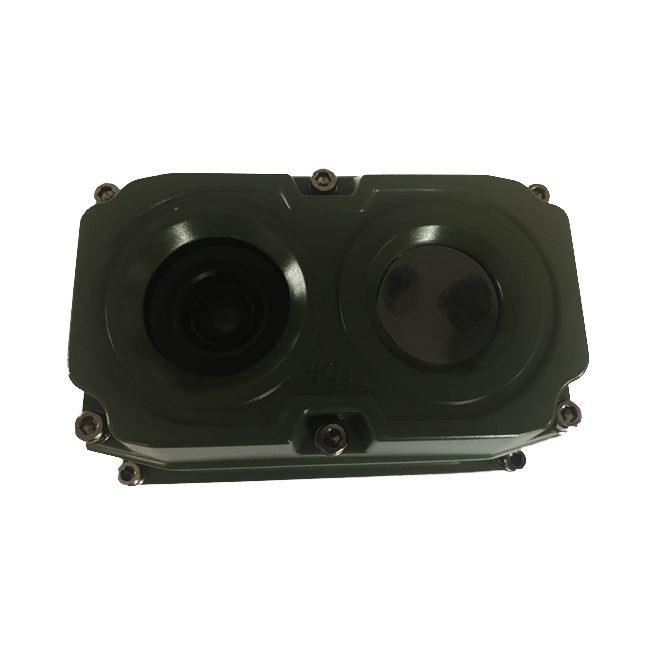
When choosing a thermal camera module, the interface is a really important factor to consider. You need to think about what kind of device you'll be connecting it to and what your specific requirements are. If you're a hobbyist or a small - scale user, a USB - enabled thermal camera module might be the best choice because it's easy to use and compatible with most computers. But if you're in an industrial setting with a need for network - based monitoring and control, an Ethernet - enabled module would be more suitable.
We, as a thermal camera module supplier, offer a wide range of modules with different interfaces to meet the diverse needs of our customers. Whether you're looking for a simple USB - based module for your home project or a high - end Ethernet - enabled module for a large - scale industrial application, we've got you covered.
If you're interested in learning more about our thermal camera modules or have any questions about the interfaces, don't hesitate to reach out. We're always happy to help you find the perfect solution for your needs. Whether it's for research, surveillance, industrial monitoring, or any other application, our thermal camera modules can provide accurate and reliable thermal imaging.
In conclusion, the interface of a thermal camera module is a key part of its functionality. It enables data transfer, control, and in some cases, power delivery. By understanding the different types of interfaces and their functions, you can make an informed decision when choosing a thermal camera module for your specific needs. So, if you're in the market for a thermal camera module, give us a shout, and let's start a conversation about how we can help you with your project.
References
- General knowledge of thermal imaging technology and interfaces
- Industry standards and best practices for thermal camera module design and usage