


Thermal Imaging Cores
Thermal imaging cores are devices that are used to convert infrared radiation from objects into a visible image. They use a specialized technique called thermography to generate images based on the temperature differences on the object's surface. These cores can be found in a variety of applications, including medical imaging, security surveillance, industrial process monitoring, and firefighting. The cores typically consist of a detector material that can sense infrared radiation, an electronic processing unit to generate the image, and an optic system that focuses the infrared radiation onto the detector.
Advantages of Thermal Imaging Cores
1. Enhanced detectability
Thermal imaging cores are highly sensitive and can detect even the smallest temperature variations, making them highly effective in identifying and locating targets.
2. Improved image quality
Thermal imaging cores provide high-quality images, even in low-light or no-light environments, which improves their effectiveness in surveillance and security applications.
3. Increased safety
Thermal imaging cores can be used to identify potential hazards, such as overheated electrical components, which can improve safety in industrial and commercial settings.
4. Cost-effective
Thermal imaging cores are cost-effective compared to other imaging technologies, making them a great choice for businesses and organizations with a limited budget.
5. Easy to use
Thermal imaging cores are user-friendly and require minimal training, so they can be easily integrated into existing operations.
6. Versatile
Thermal imaging cores can be used in various applications, including surveillance, security, industrial monitoring, and medical diagnosis, making them a versatile tool for many different industries.
-
![Uncooled Thermal Imaging Core]()
Uncooled Thermal Imaging Core
◆Equipped with advanced microbolometer technology, it can achieve efficient infrared detection..Add to Inquiry -
![Uncooled Infrared Camera Core]()
Uncooled Infrared Camera Core
◆Equipped with advanced microbolometer technology, it can achieve efficient infrared detection..Add to Inquiry -
![Cooled Thermal Imaging Core]()
Cooled Thermal Imaging Core
The cooled thermal imaging core is a powerful and versatile tool that delivers high sensitivity,Add to Inquiry -
![Cooled Ir Camera Module]()
Cooled Ir Camera Module
The cooled IR camera module is an advanced imaging solution designed to provide exceptional thermalAdd to Inquiry -
![Cooled Ir Camera Core]()
Cooled Ir Camera Core
Our cooled IR camera core is a sophisticated piece of technology designed for applicationsAdd to Inquiry -
![Ir Camera Core]()
Ir Camera Core
Our commitment to innovation and excellence sets us apart from other manufacturers. We continuouslyAdd to Inquiry -
![Cooled Infrared Camera Core]()
Cooled Infrared Camera Core
Ideal for professionals in fields such as defense, aerospace, and industrial automation, the cooledAdd to Inquiry -
![Cooled Thermal Camera Module]()
Cooled Thermal Camera Module
Ideal for professionals in fields such as defense, aerospace, and industrial automation, the CooledAdd to Inquiry -
![Cooled Thermal Cores]()
Cooled Thermal Cores
Cooled thermal cores have high Resolution: 640*512 and 320*256Add to Inquiry -
![Cooled Versus Uncooled Cameras for Long Range]()
Cooled Versus Uncooled Cameras for Long Range
Cooled versus cameras for long range is a revolutionary ultra-Long distance surveillance CameraAdd to Inquiry -
![Cooled Thermal Camera System]()
Cooled Thermal Camera System
This Cooled Thermal Camera System can be an ideal facility that detects infrared heat byAdd to Inquiry -
![Cooled IR Camera]()
Cooled IR Camera
Cooled IR camera let you see further than any other night vision technology, using heat rather thanAdd to Inquiry


Why Choose Us
Our certificate
All of our thermal imaging camera past the CE certificate and the good quality acceptance by our EU customers. In China, we also match the ISO9000 series quality standard.
High quality products
We always put customer needs and expectations in the first place, refine on, continuous improvement, to seek every opportunity to do better, to provide customers with their expectations of quality products, to provide customers with the most satisfactory service at anytime.
Competitive prices
We offer our products at competitive prices, making them affordable for our customers. We believe that high-quality products should not come at a premium, and we strive to make our products accessible to all.
Professional team
We have a team of skilled and experienced professionals who are well-versed in the latest technology and industry standards. Our team is dedicated to ensuring that our customers get the best service and support possible.
Types of Thermal Imaging Cores
MEMS thermal imaging cores are commonly used in small, portable devices such as smartphones and tablets. They are also used in automotive safety systems, industrial process monitoring, and medical applications. While they may not offer the highest level of sensitivity and resolution, they are still capable of detecting temperature differences of a few degrees Celsius and can be a useful tool for many applications. As technology continues to improve, MEMS thermal imaging cores are likely to become even more advanced and widely adopted.
Cooled thermal imaging cores are typically more effective at detecting heat signatures at longer ranges and in challenging conditions, such as through obscurants like smoke or fog. The cooling system used in these cores lowers the temperature of the detector to improve sensitivity and reduce noise, allowing them to detect smaller temperature differences. However, the cooling system requires power and maintenance and makes cooled cores heavier and bulkier than uncooled cores. Cooled cores are often used in military and industrial applications where high-performance imaging capabilities are required.
This provides better sensitivity and resolution than uncooled systems, but is more cost-effective and requires less maintenance than cooled systems. Hybrid thermal imaging cores are commonly used in applications such as surveillance, automotive safety, and firefighting. They are also becoming increasingly popular in the medical industry for thermography, where they can detect temperature changes in the body that could indicate the presence of disease or injury.
QWIP cores are commonly used in the detection of infrared radiation in both military and civilian applications, such as night vision goggles, surveillance systems, and medical imaging devices. The design of the QWIP core allows for precise control of the bandgap energy, which determines the specific wavelengths of light that are detected. This makes QWIP cores ideal for applications that require detection of a specific range of infrared radiation. Additionally, QWIP cores have a high quantum efficiency, which means they can convert a large fraction of the incoming radiation into electrical signals, resulting in high sensitivity and resolution.
hermal imaging cores are typically made of materials like vanadium oxide (VOx), amorphous silicon (a-Si), or microbolometers.
VOx is a popular choice for high-end thermal imaging systems due to its high sensitivity and high refresh rates. It works by changing its resistance based on temperature, which can be measured and converted into an image.
Amorphous silicon (a-Si) is another material commonly used in thermal imaging cores. It has a lower cost than VOx but is less sensitive and has a slower refresh rate.
Microbolometers are another type of thermal imaging core material. They are made of tiny metal structures that change their resistance based on temperature. They offer a cost-effective solution for low-cost thermal imaging systems.
Ultimately, the choice of material for a thermal imaging core will depend on the specific application and performance requirements.
5 Qualities to Look for in a Thermal Imaging Camera
Temperature range
The temperature range of a thermal imaging camera may be one of the most important considerations. At what likely temperature will you be capturing images? Will there be a wide disparity in temperatures? The first consideration needs to be the temperature range of the camera.
01
Resolution
Most thermal imaging cameras have lower pixel counts than visible-light cameras, so assessing detector resolution is also an important consideration. The size of your imaging area and target will dictate the resolution needed. Small object detection will require high-resolution thermal imaging cameras.
02
Accuracy and repeatability
Often times a thermal imaging camera isn’t just used to detect differences in temperature, it’s used to measure the differences in temperature. In this sense, accuracy and repeatability are key considerations. Most high quality thermal imaging cameras achieve a ±2% accuracy or better.
03
Image fusion
In certain applications, thermal images must be compared to visible light images to clearly present findings in temperature differences. Some thermal imaging cameras come with the ability to clearly highlight the difference between thermal and visible images, which makes image capture in these applications much easier.
04
Durability
The durability of a thermal imaging camera is important, especially for applications like high-end surveillance, security and monitoring of critical infrastructure. If thermal imaging cameras must sit outdoors for long periods of time, or be moved around a rugged industrial environment, durability will be an important consideration.
05
Process of Thermal Imaging Cores
Designing the core
The first step is to design the thermal imaging core, taking into consideration factors such as the desired temperature range and resolution, size, and power consumption.
Fabricating the sensor array
The sensor array is the most critical component of a thermal imaging core. It consists of hundreds or thousands of tiny sensors that are sensitive to different wavelengths of infrared radiation. These sensors are usually made of materials such as indium antimonide (InSb), mercury cadmium telluride (MCT), or vanadium oxide (VOx).
Assembling the optics
The optics of a thermal imaging core are responsible for focusing the incoming infrared radiation onto the sensor array. This involves assembling lenses, filters, and mirrors into a compact package that can be mounted onto the sensor.
Integrating the electronics
The electronics of a thermal imaging core consist of an analog-to-digital converter (ADC), a processing unit, and a display. The electronic circuitry is designed to convert the analog signal from the sensor into a digital signal, process it to create an image, and display it on a screen.
Calibrating the core
Before a thermal imaging core can be used, it must be calibrated to ensure that it accurately measures temperature. This involves exposing the core to a known temperature source and adjusting the calibration coefficients to match the readings to the true temperature.
Testing the core
The final step involves testing the thermal imaging core to ensure that it meets the required specifications. This includes testing its sensitivity, resolution, accuracy, and response time under different temperature conditions.
Thermal imaging cores work based on the principle of detecting and measuring the intensity of infrared radiation emitted by objects or bodies based on their temperature. The core consists of an infrared detector array made of tiny sensors that detect infrared radiation emitted by the objects and convert them into electrical signals. These signals are then processed by a special electronics circuit within the core that creates a thermal image of the object or body. The image shows variations in temperature as different color shades or gradients, with warmer areas appearing as brighter colors and cooler areas appearing darker. The thermal imaging cores are highly sensitive to temperature changes, can operate in various lighting and weather conditions, and can be integrated into different devices such as cameras, scopes, and surveillance systems.
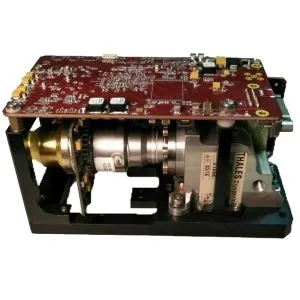
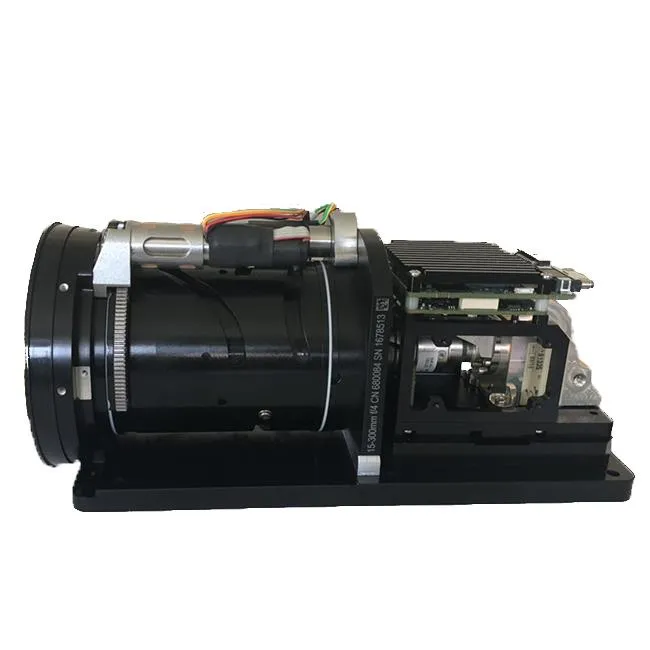
In essence, thermal imaging cores work by detecting the thermal energy (infrared radiation) emitted by objects. These cores are designed to detect a broad range of wavelengths in the infrared spectrum, which enables them to detect temperature differences as small as 0.1°C. They are also equipped with multiple lenses that help to focus the infrared radiation onto the sensor array, which improves their sensitivity and resolution. With the help of advanced algorithms and software, thermal imaging cores can create detailed thermal images that are used in a variety of applications such as medical diagnosis, building diagnostics, and military surveillance.
How to Maintain Thermal Imaging Cores
Keep your thermal imaging core clean. Use a clean, dry cloth to wipe the lens and housing of the core. Avoid using water or cleaning solutions as they may damage the device.
Store your thermal imaging core properly. Keep it in a dry and cool place, away from direct sunlight and extreme temperatures.
Use a protective case when transporting your thermal imaging core. This will help prevent damage to the device during transport.
Check and replace the batteries regularly. Make sure the batteries are fully charged before using the device.
Follow the manufacturer's instructions for maintenance and calibration of the thermal imaging core. Calibration should be performed at least once a year.
Avoid dropping or shaking the thermal imaging core, as this can cause damage to the internal components.
Thermal imaging cores are different from other types of thermographic cameras in that they are typically designed to be smaller, lighter and have lower power consumption. They are also capable of producing higher quality images that are more detailed and accurate. Thermal imaging cores are often used in applications where portability and ease of use are important, such as in medical imaging or in military and law enforcement operations. Additionally, thermal imaging cores may be utilized as the basis for building other types of thermographic cameras, such as handheld devices or mounted systems for inspection and surveillance.With 20 years of industry deep cultivation,Zhongqi Gaocheng has always been committed to building or optimizing the online 'connection' business relationship between 'enterprises,users and products' through digital marketing.
What Are the Applications of Thermal Imaging Cores
1. Surveillance and security
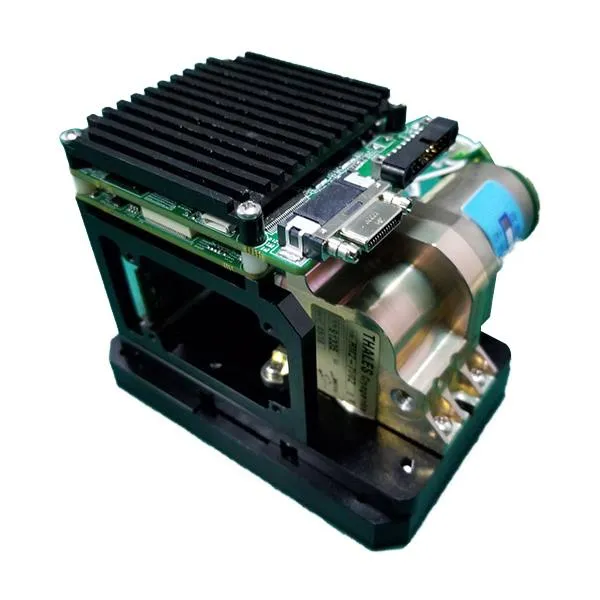
Thermal imaging cores can detect and identify people, vehicles, and wildlife in complete darkness, obstructions (smoke, fog, and dust), and extreme weather conditions. These devices are used by law enforcement, military, and security personnel to monitor and protect critical infrastructure, border security, and public safety.
02
Industrial and manufacturing
Thermal imaging cores can detect heat signatures in machines, processes, and products that indicate potential problems, such as overheating or energy loss. They are used in maintenance, monitoring, and quality control applications to improve efficiency, prevent downtime, and ensure safety.
03
Building and construction
Thermal imaging cores can identify energy loss, moisture intrusion, and insulation defects in buildings and structures. They are used in energy audits, building inspections, and construction applications to improve energy efficiency, safety, and comfort.
04
Firefighting and search and rescue
Thermal imaging cores can detect and locate people, pets, and hot spots in smoke-filled and low-light environments. They are used by firefighters and emergency responders to locate and rescue victims, and to control and extinguish fires.
05
Medical and veterinary
Thermal imaging cores can detect the temperature differences in tissues and organs that may indicate injury, disease, or other medical conditions. They are used in human and animal healthcare to diagnose and monitor various health issues.
Our Factory
HUIRUI INFRARED, established in 2013 in the prestigious city of Hangzhou, leads the frontier of infrared thermal technology. Our expertise lies in leveraging advanced tech to offer unparalleled thermal camera solutions and personalized services. Our product range includes Thermal Imaging Systems, Cameras (both uncooled and cooled variants), Binoculars, and Monoculars, all crafted with cutting-edge technology to deliver superior thermal imaging capabilities. We take pride in our commitment to innovation and customization, providing tailored solutions that meet the unique needs of our customers, setting new benchmarks in the realm of thermal imaging technology.


FAQ
Q: What is a thermal imaging core?
Q: What are the different types of thermal imaging cores?
Q: What are the applications of thermal imaging cores?
Q: What are the benefits of using thermal imaging cores?
Q: How does thermal imaging technology work?
Q: What is an uncooled microbolometer sensor?
Q: What is a cooled infrared detector?
Q: What is a thermopile-based detector?
Q: How do I determine the performance of a thermal imaging core?
Q: What is thermal dynamic range?
Q: What is resolution?
Q: What is frame rate?
Q: What are the factors that affect the performance of a thermal imaging core?
Q: What is a thermal imaging system?
Q: How can I integrate a thermal imaging core into my device?
Q: How can I improve the image quality of a thermal imaging core?
Q: What is the difference between thermal imaging cores and night vision devices?
Q: Can a thermal imaging core be used in total darkness?
Q: What is the maximum range of a thermal imaging core?
Q: How can I protect my thermal imaging core from damage?
As one of the leading thermal imaging cores manufacturers and suppliers in China, we warmly welcome you to wholesale high quality thermal imaging cores made in China here from our factory. Contact us for more details.
Thermal Imaging Rifle Scope, Mini Thermal Camera, Cooled IR Camera