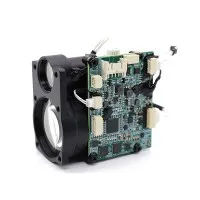

Thermal night scopes have revolutionized the way we perceive and operate in low - light and nighttime conditions. As a supplier of thermal night scopes, I often encounter questions from potential buyers regarding the maintenance requirements of these high - tech devices. In this blog, I will delve into the topic of whether thermal night scopes require a lot of maintenance.
Understanding Thermal Night Scopes
Before discussing maintenance, it's essential to understand how thermal night scopes work. Thermal night scopes detect infrared radiation emitted by objects. All objects above absolute zero emit infrared radiation, and thermal scopes convert this radiation into an electronic signal. This signal is then processed to create a visible image, allowing users to see in complete darkness or through adverse weather conditions such as fog, smoke, and light foliage.
There are two main types of thermal imaging sensors used in thermal night scopes: cooled and uncooled. Cooled sensors operate at very low temperatures, typically achieved by using cryogenic coolers. These sensors offer higher sensitivity and better image quality but are more expensive and complex. On the other hand, uncooled sensors operate at room temperature and are more affordable and commonly used in consumer - grade thermal night scopes.
General Maintenance Requirements
Cleaning
One of the most basic maintenance tasks for thermal night scopes is cleaning. The lenses of thermal night scopes are crucial for clear image transmission. Over time, dust, dirt, fingerprints, and moisture can accumulate on the lenses, which can degrade the image quality.
For the external lenses, a soft, lint - free cloth should be used to gently wipe away any visible debris. It's important to avoid using abrasive materials that could scratch the lens surface. If there are stubborn stains, a small amount of lens cleaning solution specifically designed for optical lenses can be applied to the cloth. Never spray the cleaning solution directly onto the lens, as it could seep into the internal components of the scope.
The exterior body of the thermal night scope also needs to be kept clean. A mild soap and water solution can be used to clean the body, followed by a dry cloth to prevent moisture from entering the device. However, make sure the scope is turned off and completely dry before using it again.
Storage
Proper storage is another important aspect of maintaining thermal night scopes. When not in use, thermal night scopes should be stored in a cool, dry place. Extreme temperatures and humidity can damage the internal components of the scope. For example, high humidity can cause condensation inside the scope, which can lead to corrosion of the electronic parts.
It's also advisable to store the scope in a protective case. A good quality case can protect the scope from physical damage during transportation and storage. Some cases even come with padding and compartments to keep accessories organized, such as extra batteries and lens caps.
Battery Maintenance
Most thermal night scopes are powered by batteries. Proper battery maintenance is essential for the reliable operation of the scope. Always use the recommended type of batteries specified by the manufacturer. Rechargeable batteries should be charged and discharged regularly to maintain their performance. Overcharging or completely draining rechargeable batteries can reduce their lifespan.
If the scope will not be used for an extended period, it's best to remove the batteries to prevent leakage, which can damage the internal circuitry of the scope.
Maintenance for Cooled Thermal Night Scopes
Cooled thermal night scopes, such as those with Cooled Thermal Camera Modules, have additional maintenance requirements compared to uncooled scopes.
The cryogenic cooler in cooled thermal night scopes is a complex and delicate component. It requires periodic calibration and servicing by trained technicians. The cooler needs to maintain a very low and stable temperature to ensure the proper operation of the sensor. Any fluctuations in temperature can affect the image quality.


The seals around the cooler and the sensor also need to be checked regularly. A damaged seal can allow moisture and dust to enter the cooled chamber, which can cause damage to the sensor. If there are signs of a leak or a decrease in cooling performance, the scope should be sent to a professional repair center.
Maintenance for Uncooled Thermal Night Scopes
Uncooled thermal night scopes are generally less maintenance - intensive than cooled scopes. Since they operate at room temperature, there is no need for cryogenic cooling and its associated maintenance.
However, the electronic components in uncooled scopes still need to be protected. Software updates are an important part of maintaining uncooled thermal night scopes. Manufacturers often release software updates to improve the performance, add new features, or fix bugs in the scope. These updates can usually be downloaded and installed using a computer or a mobile device, following the instructions provided by the manufacturer.
Frequency of Maintenance
The frequency of maintenance depends on several factors, such as how often the scope is used, the operating environment, and the quality of the scope.
If the scope is used frequently in harsh environments, such as in dusty deserts or humid rainforests, more frequent cleaning and inspections may be required. For example, after each use in a dusty environment, the lenses should be cleaned to prevent dust from scratching the surface.
On the other hand, if the scope is used occasionally in normal conditions, a monthly cleaning and a quarterly inspection should be sufficient. During the quarterly inspection, check the battery performance, the functionality of the controls, and the overall condition of the scope.
Do Thermal Night Scopes Require a Lot of Maintenance?
In general, thermal night scopes do not require an excessive amount of maintenance. With proper care and regular maintenance, these devices can provide reliable performance for many years.
The basic maintenance tasks, such as cleaning, storage, and battery management, are relatively simple and can be easily performed by the user. While cooled thermal night scopes have more complex maintenance requirements due to the cryogenic cooler, they are often used in professional and high - end applications where the benefits outweigh the additional maintenance efforts.
Uncooled thermal night scopes are even more user - friendly in terms of maintenance. With regular software updates and basic cleaning, they can continue to function well over time.
Conclusion
As a supplier of thermal night scopes, I can attest to the fact that while thermal night scopes do require some maintenance, it is not an overly burdensome task. By following the recommended maintenance procedures, users can ensure the longevity and optimal performance of their thermal night scopes.
Whether you are looking for Thermal Sight Goggles for personal use, Cooled Thermal Camera Modules for professional applications, or Thermal Handheld Camera for various tasks, our company offers a wide range of high - quality thermal night scopes.
If you are interested in purchasing thermal night scopes or have any questions about their maintenance or performance, please feel free to contact us. We are here to assist you in finding the perfect thermal night scope for your needs and to provide you with all the necessary support and guidance.
References
- "Thermal Imaging Handbook" by some thermal imaging experts.
- Manufacturer's manuals of various thermal night scopes.