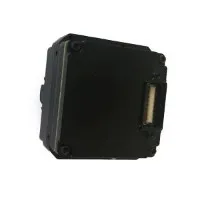

Yo! As a supplier of Thermal Camera Modules, I often get asked about the humidity range these nifty devices can handle. So, let's dig into this topic and clear up any confusion.
First off, humidity can have a big impact on how well a thermal camera module works. You see, moisture in the air can mess with the accuracy of the readings and even cause damage to the internal components over time. That's why it's super important to know the right humidity range for these gadgets.
Most thermal camera modules are designed to operate within a relative humidity (RH) range of about 10% to 95%. Yeah, that's a pretty wide range, but there's a good reason for it. At the lower end of the scale, around 10% RH, the air is really dry. This can be a problem because extremely dry conditions can cause static electricity to build up. Static electricity can interfere with the electrical signals in the camera module and lead to inaccurate readings.
On the flip side, when the humidity gets up to 95% RH, things get pretty damp. High humidity can cause condensation to form on the lens and other parts of the camera. Condensation can blur the image and reduce the overall performance of the thermal camera. Plus, if the moisture sticks around for too long, it can lead to corrosion of the internal components, which is definitely not good news.
Now, let's talk about how different environments can affect the humidity range. In a desert environment, the humidity is usually pretty low, often well below 10%. In this case, you might need to take some extra precautions to prevent static buildup. Some thermal camera modules come with anti - static coatings or grounding features to help deal with this issue.
On the other hand, in a tropical rainforest or near a large body of water, the humidity can be consistently high, close to or even above 95%. For these conditions, you'll want a thermal camera module that's designed to be more resistant to moisture. Some modules have sealed enclosures to keep the moisture out and special coatings on the lens to prevent condensation.
As a supplier, we offer a variety of thermal camera modules that can handle different humidity ranges. For example, our Uncooled Thermal Imaging Core is built to be pretty versatile. It can operate well within the standard 10% - 95% RH range and has some extra features to deal with extreme conditions.
Our Uncooled Infrared Camera Core is another great option. It's designed with advanced moisture - resistant technology, making it suitable for high - humidity environments. And if you're looking for a high - resolution option, our 640 Thermal Camera Cores offer excellent performance within the recommended humidity range.
It's also important to note that the humidity range can vary depending on the specific model and application of the thermal camera module. For industrial applications, where the camera might be exposed to harsh chemicals or extreme temperatures in addition to high humidity, you'll need a more rugged and specialized module.


When you're choosing a thermal camera module, make sure to consider the humidity conditions of the environment where it will be used. If you're not sure what the humidity range is in your area, you can use a hygrometer to measure it. This will help you pick the right module for your needs.
We understand that every customer has unique requirements, and that's why we're here to help. Whether you need a thermal camera module for a low - humidity desert operation or a high - humidity coastal area, we've got you covered.
If you're in the market for a thermal camera module and want to learn more about how humidity affects performance and which module is right for you, don't hesitate to reach out. We're always happy to have a chat and help you find the perfect solution for your project.
In conclusion, knowing the humidity range of a thermal camera module is crucial for getting accurate and reliable results. By choosing the right module for your environment, you can ensure that your thermal imaging system works at its best. So, if you're ready to take the next step and start using a high - quality thermal camera module, let's talk!
References:
- General knowledge of thermal imaging technology and environmental factors affecting electronic devices.
- Manufacturer's specifications for thermal camera modules.