
How do cooled camera modules perform in chemical - polluted environments?
As a supplier of cooled camera modules, I've witnessed firsthand the growing demand for reliable imaging solutions in various challenging environments. One such environment that poses unique challenges is the chemical - polluted one. In this blog, I'll delve into how our cooled camera modules perform in these harsh settings.
Understanding Cooled Camera Modules
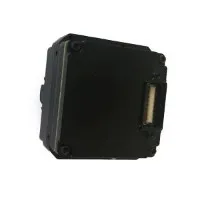
Before we discuss their performance in chemical - polluted environments, let's briefly understand what cooled camera modules are. Cooled camera modules, such as the Cooled Infrared Camera Core, Cooled Thermal Cores, and Cooled IR Camera, use cryogenic cooling to reduce the thermal noise of the detector. This cooling process allows for higher sensitivity and better image quality, making them ideal for applications where precision and clarity are crucial.
Challenges in Chemical - Polluted Environments
Chemical - polluted environments present a multitude of challenges for camera modules. Chemical pollutants can exist in various forms, including gases, vapors, and particulate matter. These pollutants can cause physical and chemical damage to the camera components.
Gaseous pollutants, such as sulfur dioxide and nitrogen oxides, can react with the camera's optical elements and housing materials. Over time, these reactions can lead to corrosion, which may degrade the optical performance of the lenses and mirrors. For example, sulfur dioxide can form sulfuric acid when it comes into contact with moisture, and this acid can etch the surface of the optical glass, reducing its transparency and causing image distortion.
Particulate matter, like dust and soot, can accumulate on the camera's lens and sensor. This accumulation can block the incoming light, reducing the amount of light that reaches the detector and thus degrading the image quality. In addition, the abrasive nature of some particulate matter can scratch the lens surface, further impairing the optical performance.
Performance of Cooled Camera Modules
Despite these challenges, our cooled camera modules are designed to perform well in chemical - polluted environments.
Optical Protection
Our camera modules are equipped with advanced optical coatings that provide a protective barrier against chemical pollutants. These coatings are designed to be resistant to corrosion and chemical attack. For example, a special anti - reflective coating on the lens not only enhances the light transmission but also repels chemical substances. The coating is made of materials that have low reactivity with common chemical pollutants, ensuring the long - term integrity of the optical elements.
Sealing and Enclosure
The camera modules are housed in robust enclosures that are carefully sealed to prevent the ingress of chemical pollutants. The enclosures are made of high - quality materials that are resistant to corrosion. For instance, stainless steel is often used for the housing due to its excellent corrosion resistance properties. The seals are designed to be airtight, preventing the entry of gases and particulate matter. This sealing also helps to maintain the cryogenic cooling system, which is essential for the proper functioning of the detector.
Sensitivity and Image Quality
The cryogenic cooling of our camera modules allows for high sensitivity even in the presence of chemical pollutants. The reduced thermal noise enables the detector to detect weak infrared signals, making it possible to obtain clear images even when the optical path is slightly affected by pollutants. The high - resolution detectors can capture fine details, compensating for any minor image degradation caused by the pollutants. For example, in a chemical plant where there are traces of chemical vapors in the air, our cooled camera modules can still provide sharp images of the equipment and processes, allowing for accurate monitoring and analysis.
Real - World Applications
Our cooled camera modules have been successfully used in many real - world applications in chemical - polluted environments.
Chemical Manufacturing Plants
In chemical manufacturing plants, our camera modules are used for process monitoring and safety inspection. They can detect leaks of hazardous chemicals by sensing the infrared radiation emitted by the chemicals. The high - quality images obtained by the camera modules allow operators to quickly identify potential problems and take appropriate measures. For example, if there is a leak of a flammable chemical, the camera can detect the abnormal temperature distribution caused by the leak, enabling early detection and prevention of accidents.
Waste Treatment Facilities
Waste treatment facilities often generate a large amount of chemical pollutants. Our camera modules are used to monitor the incineration process and ensure that the waste is being properly treated. The cameras can detect the temperature and combustion efficiency of the waste, providing valuable information for process optimization. The ability of the cooled camera modules to perform well in the presence of chemical pollutants makes them an ideal choice for these challenging environments.
Contact for Procurement
If you are in need of cooled camera modules for your operations in chemical - polluted environments, we are here to help. Our team of experts can provide you with detailed information about our products, customize solutions according to your specific requirements, and offer technical support throughout the procurement process. Whether you are involved in chemical manufacturing, waste treatment, or other industries that require reliable imaging in harsh environments, our cooled camera modules can meet your needs.


Conclusion
In conclusion, our cooled camera modules offer excellent performance in chemical - polluted environments. Through advanced optical protection, robust sealing, and high - sensitivity detectors, they can overcome the challenges posed by chemical pollutants and provide clear, high - quality images. Their real - world applications in chemical manufacturing plants and waste treatment facilities demonstrate their reliability and effectiveness. If you are looking for a reliable imaging solution for your chemical - polluted environment, don't hesitate to contact us for procurement and further discussions.
References
- "Infrared Detectors and Systems" by Richard D. Hudson. This book provides in - depth knowledge about the principles and technologies of infrared detectors, including cooled camera modules.
- "Corrosion and Protection of Electronic Equipment" by John W. Dini. It offers valuable insights into the corrosion mechanisms and protection methods for electronic components in harsh chemical environments.
- Industry reports on the use of infrared imaging in chemical industries, which highlight the importance and performance of cooled camera modules in chemical - polluted settings.