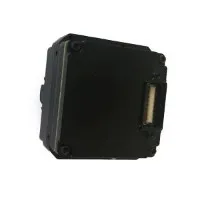

As a supplier of Uncooled Camera Cores, I've witnessed firsthand the remarkable advancements in this technology and its wide - ranging applications. One of the most intriguing aspects that often comes up in discussions is how these uncooled camera cores perform in extreme cold conditions.
Understanding Uncooled Camera Cores
Before delving into their performance in extreme cold, let's briefly understand what uncooled camera cores are. Uncooled camera cores operate without the need for a cooling mechanism, which makes them more compact, energy - efficient, and cost - effective compared to their cooled counterparts. They rely on microbolometer technology, where the change in electrical resistance of a material due to absorbed infrared radiation is measured to create an image.


These cores are widely used in various fields such as security and surveillance, industrial inspection, automotive night vision, and environmental monitoring. Their versatility stems from their ability to detect infrared radiation, which is emitted by all objects above absolute zero.
The Impact of Extreme Cold on Uncooled Camera Cores
1. Sensitivity and Image Quality
In extreme cold conditions, the sensitivity of uncooled camera cores can be affected. The microbolometers in these cores are designed to operate within a certain temperature range. When the ambient temperature drops significantly, the thermal noise in the detector can increase. This noise can manifest as random fluctuations in the image, reducing the overall image quality.
However, modern uncooled camera cores are engineered with advanced signal processing algorithms to mitigate the effects of thermal noise. These algorithms can filter out the noise and enhance the contrast of the image, ensuring that even in cold environments, the camera can still produce clear and detailed thermal images. For instance, our Thermal Imaging Module is equipped with state - of - the - art signal processing technology that maintains high - quality imaging performance in temperatures as low as - 40°C.
2. Response Time
The response time of uncooled camera cores can also be influenced by extreme cold. The change in electrical resistance of the microbolometer material is related to the rate at which it absorbs and dissipates heat. In cold conditions, the heat transfer process may slow down, leading to a longer response time.
This longer response time can result in a delay in capturing fast - moving objects. To address this issue, manufacturers have developed materials with better thermal properties and optimized the design of the microbolometer arrays. Our LWIR Camera Cores are designed to have a fast response time, even in cold environments, ensuring that they can accurately capture dynamic scenes.
3. Mechanical and Electrical Components
Extreme cold can also impact the mechanical and electrical components of the uncooled camera cores. The expansion and contraction of materials due to temperature changes can cause stress on the internal components, potentially leading to mechanical failures.
In addition, the electrical properties of the circuits can change in cold conditions. For example, the resistance of the wires and components may increase, affecting the power consumption and signal transmission of the camera. To ensure the reliability of our products in extreme cold, we use high - quality materials and conduct rigorous testing in temperature - controlled chambers. Our Thermal Camera Module is built with robust mechanical and electrical designs that can withstand the challenges of cold environments.
Testing and Validation in Extreme Cold
At our company, we take the performance of our uncooled camera cores in extreme cold conditions very seriously. We conduct comprehensive testing in specialized environmental chambers that can simulate a wide range of temperatures and humidity levels.
During these tests, we measure various parameters such as sensitivity, response time, image quality, and power consumption. We also perform long - term reliability tests to ensure that the camera cores can operate continuously in cold environments without any degradation in performance.
The results of our testing have shown that our uncooled camera cores can meet the demanding requirements of applications in extreme cold regions. Whether it's for monitoring wildlife in the Arctic or conducting industrial inspections in cold storage facilities, our products have proven to be reliable and effective.
Applications in Extreme Cold Environments
The ability of uncooled camera cores to perform in extreme cold conditions has opened up a wide range of applications.
1. Arctic and Antarctic Research
In polar regions, uncooled camera cores are used for wildlife monitoring, iceberg tracking, and environmental research. Scientists can use these cameras to study the behavior of animals such as polar bears and penguins without disturbing their natural habitat. The cameras can also detect changes in the ice cover, providing valuable data for climate change research.
2. Cold Storage and Refrigeration
In the food and pharmaceutical industries, cold storage facilities require continuous monitoring to ensure the quality and safety of the products. Uncooled camera cores can be used to detect temperature variations in these facilities, helping to prevent spoilage and ensure compliance with regulatory standards.
3. Military and Defense
In military applications, uncooled camera cores are used in night vision devices, surveillance systems, and unmanned aerial vehicles (UAVs). In cold climates, these cameras can provide critical intelligence and situational awareness, allowing military personnel to operate effectively in challenging environments.
Conclusion
In conclusion, while extreme cold conditions can pose challenges to the performance of uncooled camera cores, modern technology has made significant strides in overcoming these challenges. Our company is committed to providing high - quality uncooled camera cores that can perform reliably in extreme cold environments.
If you are in the market for uncooled camera cores for applications in cold conditions, we invite you to contact us for a detailed discussion. Our team of experts can provide you with the technical support and product recommendations you need to make the right choice for your specific requirements.
References
- "Infrared Detectors and Systems" by W. Rogalski
- "Thermal Imaging: Fundamentals, Research, and Applications" by P. S. Maynard