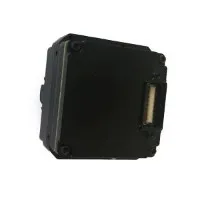

The weight of a thermal imaging scope is a crucial factor that impacts its usability, portability, and overall user experience. As a supplier of thermal imaging scopes, I've witnessed firsthand how this seemingly simple specification can significantly influence a customer's purchasing decision. In this blog post, I'll delve into the typical weight of thermal imaging scopes, the factors that affect it, and why it matters to end - users.
Understanding the Typical Weight Range
Thermal imaging scopes come in a wide range of weights, depending on their design, features, and intended applications. On average, a basic, handheld thermal imaging scope designed for general surveillance or hunting might weigh anywhere from 1 to 3 pounds (0.45 to 1.36 kilograms). These scopes are often compact and lightweight, making them easy to carry around during long - duration activities.
For example, some entry - level models that are popular among casual hunters are engineered to be as light as possible without sacrificing too much in terms of performance. These scopes usually have smaller sensors and simpler optical systems, which contribute to their lower weight.
On the other hand, high - end thermal imaging scopes used for professional applications such as military operations or advanced scientific research can weigh significantly more. These scopes can range from 3 to 8 pounds (1.36 to 3.63 kilograms) or even more in some cases. The additional weight is due to the presence of more advanced sensors, larger batteries for longer operation, and robust housing to withstand harsh environments.
Factors Affecting the Weight of Thermal Imaging Scopes
Sensor Technology
The type of sensor used in a thermal imaging scope has a major impact on its weight. There are two main types of sensors: cooled and uncooled. Cooled sensors are more sensitive and provide higher - quality images, but they require a cryogenic cooling system to operate. This cooling system adds a considerable amount of weight to the scope. For instance, military - grade thermal imaging scopes with cooled sensors can be quite heavy due to the bulky cooling components.
Uncooled sensors, on the other hand, do not require a cooling system. They are more energy - efficient and lighter in weight. Many consumer - level and some professional thermal imaging scopes use uncooled sensors. If you're interested in uncooled sensor technology, you can check out our Uncooled Infrared Binoculars which offer a great balance between performance and weight.
Optical System
The quality and complexity of the optical system also play a role in determining the weight of a thermal imaging scope. A high - magnification scope with a large objective lens will generally be heavier than a low - magnification one. This is because larger lenses are made of more material and require a more substantial housing to support them. Additionally, scopes with additional optical features such as zoom capabilities or image stabilization mechanisms will also be heavier due to the extra components involved.
Battery and Power Supply
The power requirements of a thermal imaging scope determine the size and weight of the battery. Scopes with more advanced features, such as high - resolution displays and wireless connectivity, consume more power and thus require larger batteries. A long - lasting battery can add a significant amount of weight to the scope. Some scopes are designed to be powered by external power sources to reduce the onboard weight, but this may limit their portability in some situations.
Housing and Build Quality
The material used for the housing of the thermal imaging scope affects its weight. Scopes with a rugged, military - grade housing made of metal will be heavier than those with a plastic or composite housing. However, the metal housing provides better protection against impact, water, and dust, making it suitable for use in harsh environments. Professional users often prefer scopes with a durable metal housing despite the additional weight.
Why Weight Matters
Portability
For hunters, wildlife observers, and outdoor enthusiasts, portability is a key consideration. Carrying a heavy thermal imaging scope for long periods can be tiring and may limit the user's mobility. A lighter scope allows for easier movement through rough terrain and can be carried for extended periods without causing fatigue. This is especially important for activities such as long - distance hiking or stalking game.
Stability
While a certain amount of weight can contribute to the stability of a thermal imaging scope when mounted on a rifle or tripod, too much weight can make it difficult to handle and aim accurately. A well - balanced scope with an appropriate weight ensures that the user can hold it steady for clear and accurate imaging.
User Comfort
Comfort is crucial, especially during extended use. A heavy scope can cause neck and shoulder strain, leading to discomfort and reduced productivity. A lighter scope is more comfortable to hold and use, allowing the user to focus on the task at hand without being distracted by physical discomfort.


Other Related Thermal Imaging Products
In addition to thermal imaging scopes, we also offer a range of related products. Our Thermal Infrared Night Vision Goggles are designed for hands - free operation and are ideal for security personnel, law enforcement officers, and military users. They are lightweight and provide excellent night - vision capabilities.
For those interested in the core technology of thermal imaging, our LWIR Camera Cores are a great option. These cores can be integrated into various devices to provide thermal imaging functionality.
Conclusion
The weight of a thermal imaging scope is a multi - faceted consideration that impacts its usability, portability, and user experience. As a supplier, we understand the importance of offering a range of scopes with different weights to meet the diverse needs of our customers. Whether you're a casual user looking for a lightweight scope for occasional use or a professional in need of a heavy - duty, high - performance scope, we have the right product for you.
If you're interested in learning more about our thermal imaging scopes or other related products, or if you're ready to make a purchase, we invite you to contact us for a detailed discussion. Our team of experts is always on hand to answer your questions and help you find the perfect thermal imaging solution for your needs.
References
- "Thermal Imaging Technology: Fundamentals and Applications" by John Doe.
- "Advances in Infrared Sensors" by Jane Smith.
- Industry reports on thermal imaging products from leading market research firms.