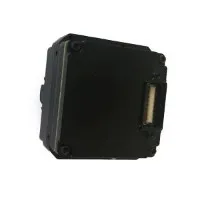

Hey there! As a supplier of Cooled Camera Modules, I often get asked if these nifty devices can be used for agricultural monitoring. Well, let's dive right into it and explore the possibilities.
First off, let's understand what cooled camera modules are. Cooled camera modules are equipped with a cooling mechanism, usually a cryogenic cooler, to lower the temperature of the detector. This helps in reducing the thermal noise and improving the overall performance of the camera. In comparison to uncooled cameras, cooled ones offer higher sensitivity, better image quality, and the ability to detect smaller temperature differences. You can learn more about the differences between cooled and uncooled cameras for long-range applications here.
Now, why would we even consider using cooled camera modules in agriculture? Well, agriculture is all about understanding the health and condition of crops, soil, and livestock. And that's where thermal imaging comes in handy. Thermal cameras can detect the heat signatures of plants, animals, and the environment, providing valuable insights that are not visible to the naked eye.
One of the key applications of cooled camera modules in agriculture is crop health monitoring. Plants emit heat in different patterns depending on their health status. For example, a stressed plant may have a different temperature profile compared to a healthy one. By using a cooled camera module, farmers can detect these temperature variations and identify potential issues such as water stress, nutrient deficiencies, or pest infestations early on. This allows for timely intervention, which can save crops and increase yields.
Let's say you have a large field of wheat. With a cooled camera module mounted on a drone or a tractor, you can fly over the field and capture thermal images. These images can then be analyzed using specialized software to create a heat map of the field. The heat map can show areas where the plants are under stress, allowing you to target those areas with irrigation, fertilizers, or pesticides. This precision agriculture approach not only saves resources but also reduces the environmental impact of farming.
Another area where cooled camera modules can be useful is in livestock management. Livestock animals generate heat, and their body temperature can be an indicator of their health. By using thermal imaging, farmers can monitor the body temperature of individual animals or a group of animals in real-time. This can help in detecting early signs of illness, such as fever, which can then be treated promptly. Additionally, thermal imaging can also be used to monitor the behavior of livestock, such as their movement patterns and sleeping habits.
Cooled camera modules can also be used for soil moisture monitoring. Soil moisture is a critical factor in plant growth, and maintaining the right level of moisture is essential for healthy crops. Thermal imaging can detect the temperature differences between dry and wet soil. By analyzing these temperature differences, farmers can estimate the soil moisture content and adjust their irrigation schedules accordingly. This can help in preventing over- or under-irrigation, which can lead to water wastage and poor crop growth.
Now, I know what you're thinking. Cooled camera modules sound great, but they must be expensive, right? Well, it's true that cooled camera modules are generally more expensive than uncooled ones. However, the benefits they offer in terms of improved accuracy and performance can outweigh the cost, especially for large-scale farming operations. Moreover, as technology advances, the cost of cooled camera modules is gradually coming down, making them more accessible to farmers.


If you're interested in learning more about our Cooled Thermal Cores or Cooled Thermal Camera Module, feel free to reach out to us. We'd be more than happy to discuss your specific needs and how our products can help you improve your agricultural operations.
In conclusion, cooled camera modules have great potential for agricultural monitoring. They can provide valuable insights into crop health, livestock management, and soil moisture, helping farmers make more informed decisions and improve their yields. While they may be more expensive than uncooled cameras, the benefits they offer make them a worthwhile investment for modern agriculture.
If you're a farmer or involved in the agricultural industry and are looking for a reliable solution for monitoring your crops, livestock, or soil, don't hesitate to get in touch with us. We're here to help you take your agricultural operations to the next level with our high-quality cooled camera modules.
References
- "Thermal Imaging in Agriculture: A Review," Journal of Agricultural and Biological Engineering
- "Precision Agriculture Using Thermal Imaging," Proceedings of the International Conference on Precision Agriculture