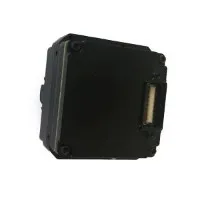

Hey there, fellow tech enthusiasts! As a supplier of LWIR (Long-Wave Infrared) Camera Cores, I often get asked about the calibration frequency of these nifty devices. So, let's dive right in and break it down.
First off, what exactly are LWIR Camera Cores? Well, they're the heart and soul of thermal imaging cameras. These cores can detect the infrared radiation emitted by objects and convert it into a visible image. They're used in a wide range of applications, from security and surveillance to industrial inspections and even medical diagnostics.
Now, calibration is a crucial process for any measuring device, and LWIR Camera Cores are no exception. Calibration ensures that the camera core is providing accurate and reliable data. It helps to compensate for any variations in the sensor's performance over time and under different environmental conditions.
So, what's the calibration frequency for LWIR Camera Cores? Well, there's no one-size-fits-all answer to this question. The calibration frequency depends on several factors, including the quality of the camera core, the environment in which it's used, and the specific application.
Let's start with the quality of the camera core. Higher-quality LWIR Camera Cores are generally more stable and require less frequent calibration. These cores are often built with better materials and more advanced manufacturing techniques, which result in a more consistent performance. On the other hand, lower-quality cores may drift more quickly and need to be calibrated more often.
The environment in which the camera core is used also plays a significant role in determining the calibration frequency. If the camera is used in a stable environment with consistent temperature and humidity levels, it may not need to be calibrated as often. However, if the camera is exposed to extreme temperatures, high humidity, or other harsh conditions, it's likely to experience more significant variations in performance and may require more frequent calibration.
For example, if you're using an LWIR Camera Core in an industrial setting where there are large temperature fluctuations and a lot of dust and debris, you may need to calibrate it more often than if you're using it in a controlled laboratory environment.
The specific application of the camera core is another important factor. Some applications require a higher level of accuracy than others. For instance, in medical diagnostics, where precise temperature measurements are crucial, the camera core may need to be calibrated more frequently to ensure accurate results. In contrast, in a general surveillance application, where the focus is more on detecting movement and identifying objects, a less frequent calibration may be sufficient.
In general, most manufacturers recommend calibrating LWIR Camera Cores at least once a year. However, this is just a starting point, and you may need to adjust the frequency based on the factors mentioned above. Some users may find that they need to calibrate their camera cores every six months or even more frequently, while others may be able to go longer between calibrations.
It's also important to note that some LWIR Camera Cores have built-in self-calibration features. These features can help to maintain the accuracy of the camera core over time and reduce the need for manual calibration. However, even with self-calibration, it's still a good idea to have the camera core professionally calibrated on a regular basis to ensure the highest level of accuracy.
Now, let's talk about the calibration process itself. Calibrating an LWIR Camera Core typically involves comparing the camera's output to a known standard. This can be done using a calibration target, which emits a known amount of infrared radiation. The camera's settings are then adjusted until its output matches the standard.
The calibration process can be quite complex and requires specialized equipment and expertise. That's why it's usually best to have the camera core calibrated by a professional service provider. Most manufacturers offer calibration services, and there are also third-party companies that specialize in thermal camera calibration.
If you're in the market for LWIR Camera Cores, I'd like to mention some of the great products we offer. We have a wide range of Uncooled Thermal Camera Modules that are designed for various applications. These modules are known for their high performance, reliability, and ease of use.
We also have Thermal Camera Modules that offer excellent image quality and advanced features. And of course, our Thermal Camera Cores are the foundation of our thermal imaging products, providing accurate and consistent results.
If you're interested in learning more about our LWIR Camera Cores or have any questions about calibration, feel free to reach out to us. We're here to help you find the right solution for your needs and ensure that your thermal imaging system is performing at its best. Whether you're a small business owner looking for a simple surveillance solution or a large industrial company in need of high-precision temperature measurements, we have the expertise and products to meet your requirements.
In conclusion, the calibration frequency of LWIR Camera Cores depends on several factors, including the quality of the core, the environment, and the application. While most manufacturers recommend an annual calibration, you may need to adjust the frequency based on your specific circumstances. And if you're in the market for LWIR Camera Cores, we have a great selection of products to choose from. So, don't hesitate to contact us for more information and to start the procurement process.
References


- Smith, J. (2020). Thermal Imaging Technology: Principles and Applications. New York: Tech Press.
- Jones, A. (2019). Calibration of Infrared Cameras: Best Practices. Journal of Thermal Science, 15(2), 123 - 135.