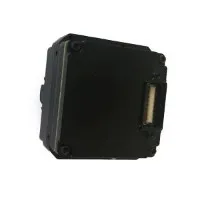

Hey there! As a supplier of Cooled IR Cameras, I've seen firsthand how important it is to transport these delicate pieces of equipment safely. Cooled IR cameras are high - tech devices that are used in a variety of industries, from military and defense to industrial inspections and scientific research. They're not cheap, and they're also pretty sensitive to damage during transit. So, let's dive into how you can transport a Cooled IR Camera safely.
Understanding the Cooled IR Camera
First off, it's crucial to understand what a Cooled IR Camera is. These cameras use a cooling mechanism to lower the temperature of the detector, which helps in achieving better thermal sensitivity and image quality. For more details on the core of these cameras, you can check out the Cooled Infrared Camera Core.
The cooling system is one of the most sensitive parts of the camera. It often contains cryogenic materials or complex mechanical components that can be easily damaged if the camera is jostled or exposed to extreme conditions. Also, the detector itself is very fragile and can be affected by vibrations, shocks, and temperature changes.
Pre - transport Preparation
Before you even think about shipping the camera, you need to do some prep work.
Cleaning and Inspection
Start by giving the camera a thorough cleaning. Remove any dust, dirt, or debris from the exterior and the lens. A dirty camera can cause problems during transit, like scratches or damage to the lens coating. After cleaning, conduct a detailed inspection. Check for any visible signs of damage, loose parts, or malfunction. Make sure all the functions of the camera are working properly. If you find any issues, it's best to fix them before shipping.
Documentation
Gather all the necessary documentation. This includes the user manual, warranty information, and any calibration certificates. You might also want to take some photos of the camera from different angles, showing its condition before shipping. This can be useful in case there are any disputes about damage during transit.
Power Off and Disconnect
Make sure the camera is powered off and all external devices are disconnected. This not only saves battery life but also reduces the risk of electrical damage during transit.
Packaging the Camera
Proper packaging is the key to safe transport.
Inner Packaging
Use a soft, protective material like foam or bubble wrap to cushion the camera. Wrap the camera carefully, making sure all the corners and edges are covered. Pay special attention to the lens, as it's one of the most vulnerable parts. You can use a lens cap or a custom - made lens protector.
For the cooling system, you might need to use additional padding to prevent it from moving around. Some cameras come with a special protective case for the cooling unit. If yours does, use it. You can also place the camera in an anti - static bag to protect it from electrostatic discharge.
Outer Packaging
Once the camera is wrapped, place it in a sturdy outer box. The box should be slightly larger than the camera to allow for more padding. Fill the remaining space in the box with packing peanuts, foam inserts, or other shock - absorbing materials. Make sure the camera is held firmly in place and can't move around inside the box.
If you're shipping multiple cameras, don't just stack them in one box. Each camera should be individually wrapped and placed in its own compartment or box. This reduces the risk of damage from one camera hitting another.
Choosing the Right Shipping Method
Not all shipping methods are created equal when it comes to transporting a Cooled IR Camera.
Courier Services
For most cases, using a reputable courier service is a good option. Look for a service that offers tracking, insurance, and special handling for fragile items. Some courier companies have experience in shipping high - value and sensitive equipment, so they're more likely to take extra care.
When you choose a courier, make sure to inform them that you're shipping a Cooled IR Camera. Provide them with all the necessary details about the camera, including its value and any special handling requirements.
Air Freight
If you need to transport the camera over a long distance quickly, air freight might be the best choice. Airlines usually have strict regulations and procedures for handling fragile and high - value cargo. However, you need to make sure the airline is aware of the nature of the shipment and can provide the appropriate handling.
Ground Shipping
Ground shipping can be a cost - effective option for shorter distances. But it's important to choose a carrier that has a good reputation for handling delicate items. Avoid shipping during extreme weather conditions, as temperature and humidity can affect the camera.
Monitoring During Transit
Once the camera is on its way, you need to keep an eye on it.
Tracking
Use the tracking number provided by the shipping company to monitor the progress of the shipment. This allows you to know where the camera is at all times and when it's expected to arrive. If there are any delays or issues, you can contact the shipping company immediately.
Temperature and Humidity Monitoring
You can use temperature and humidity sensors to monitor the conditions inside the shipping container. Some advanced sensors can even send real - time data to your phone or computer. This way, you can make sure the camera is not exposed to extreme conditions during transit.
Receiving and Unpacking
When the camera arrives at its destination, there are some important steps to follow.
Inspection
Before unpacking the camera, carefully inspect the outer box for any signs of damage, like dents, tears, or water stains. If the box looks damaged, take photos and note down the details. This can be important for filing an insurance claim if the camera is also damaged.
Unpacking
Unpack the camera slowly and carefully. Check the camera for any visible signs of damage. If you notice any problems, don't power on the camera. Instead, contact the shipping company and your insurance provider right away.


Testing
Once you're sure the camera is in good condition, power it on and conduct a series of tests. Make sure all the functions are working properly and the image quality is as expected.
Conclusion
Transporting a Cooled IR Camera safely requires careful planning, proper packaging, and close monitoring. By following these steps, you can minimize the risk of damage and ensure that the camera arrives at its destination in perfect working condition.
If you're in the market for a high - quality Ir Camera Core or a Cooled Thermal Camera Module, we're here to help. We've got a wide range of products to meet your needs. If you're interested in learning more or making a purchase, feel free to reach out and start a conversation with us. We're always happy to assist you!
References
- Industry standards for shipping sensitive electronic equipment
- Manufacturer's guidelines for Cooled IR Camera handling and transport