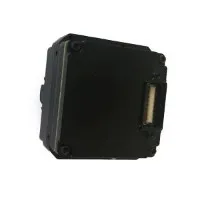

Hey there! As a supplier of LWIR (Long-Wave Infrared) camera cores, I often get asked if these nifty devices can be used in marine applications. Well, let's dive right in and explore this topic.
First off, what are LWIR camera cores? These are the heart and soul of infrared cameras, designed to detect the long - wave infrared radiation emitted by objects. Unlike visible light cameras, they can "see" in the dark, through smoke, and even in some adverse weather conditions. This unique ability makes them a potential game - changer in many fields, including the marine world.
One of the most obvious marine applications is navigation. When you're out on the open sea, visibility can be a real issue, especially at night or during foggy conditions. Traditional navigation lights and radar have their limitations. Radar can detect large objects, but it doesn't give you a clear picture of what's out there. That's where LWIR camera cores come in. They can provide a clear thermal image of the surrounding area, allowing sailors and captains to spot other vessels, buoys, or even floating debris that might pose a hazard. For example, if there's a small fishing boat without proper lighting in the fog, an LWIR camera can pick up its heat signature and alert the crew.
Another important aspect is search and rescue operations. In the vast expanse of the ocean, finding a person in the water can be like finding a needle in a haystack. The human body emits heat, and an LWIR camera core can detect this heat from a distance. This means that rescue teams can cover a larger area in less time, increasing the chances of finding survivors. Whether it's a person who has fallen overboard or a group of stranded sailors, these cameras can be a lifesaver.
Security is also a major concern in the marine industry. Ports, oil rigs, and naval bases need to monitor their perimeters 24/7. LWIR camera cores can be installed on surveillance systems to detect any unauthorized entry. They can see through the darkness and are not affected by low - light conditions or camouflage. For instance, if someone tries to sneak onto an oil rig at night, the thermal image from the LWIR camera will show their heat signature, making it easy for security personnel to take action.
Now, let's talk about the types of LWIR camera cores that are well - suited for marine applications. Our Miniature Uncooled Infrared Camera Cores are a great option. They are small, lightweight, and energy - efficient, which is crucial for marine use. You don't want a bulky camera that takes up a lot of space or drains your power supply. These miniature cores can be easily integrated into existing marine systems, such as navigation consoles or surveillance cameras.
If you need higher resolution, our 640 Thermal Camera Cores are a top choice. They offer a detailed thermal image, which is essential for accurate identification of objects. Whether you're trying to distinguish between different types of vessels or spot a small object in the water, the 640 resolution will give you a clear and sharp picture.
For those looking for a complete solution, our Thermal Imaging Module is a great option. It combines the LWIR camera core with all the necessary electronics and software, making it easy to install and use. You don't have to worry about integrating different components; just plug it in and start using it.
Of course, using LWIR camera cores in the marine environment comes with its challenges. The harsh marine conditions, such as saltwater corrosion, high humidity, and strong winds, can take a toll on the cameras. That's why our camera cores are designed to be rugged and weather - resistant. They are built with high - quality materials that can withstand the elements, ensuring reliable performance even in the toughest conditions.


In addition, calibration is important. The temperature and humidity in the marine environment can vary greatly, which can affect the accuracy of the thermal images. Our camera cores come with advanced calibration algorithms that automatically adjust to these changes, ensuring that you always get an accurate and clear image.
So, to answer the question, yes, LWIR camera cores can definitely be used in marine applications. They offer a range of benefits, from improved navigation and search - and - rescue capabilities to enhanced security. Whether you're a small - scale fisherman, a large shipping company, or a naval force, our LWIR camera cores can provide the thermal imaging solution you need.
If you're interested in learning more about how our LWIR camera cores can benefit your marine operations, or if you're ready to make a purchase, don't hesitate to reach out. We're here to help you find the right solution for your specific needs.
References
- "Thermal Imaging in Marine Applications" - Journal of Maritime Technology and Engineering
- "The Use of Infrared Technology in Search and Rescue at Sea" - International Maritime Rescue Federation Report