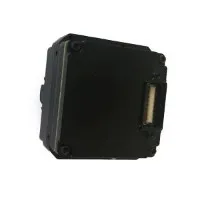

Hey there! As a supplier of Thermal Camera Cores, I've gotten a ton of questions about how these nifty devices perform in dusty environments. So, I thought I'd sit down and share some insights based on my experience and the latest research.
First off, let's talk about what thermal camera cores are. These are the heart and soul of thermal cameras. They detect infrared radiation and convert it into an electrical signal, which is then processed to create a thermal image. You can check out our Uncooled Infrared Camera Core for more details on the technology.
Now, onto the main question: how do thermal camera cores perform in dusty environments? Well, dust can have a few different effects on these devices.
The Impact of Dust on Image Quality
One of the most obvious effects of dust is on image quality. When dust particles are present in the air, they can scatter and absorb infrared radiation. This means that the thermal camera core may not receive as much of the infrared signal as it would in a clean environment. As a result, the thermal images can appear blurry or have reduced contrast.
Think of it like trying to see through a foggy window. The dust acts like the fog, making it harder for the camera to "see" the thermal signatures of objects. This can be a real problem in applications where clear and accurate thermal images are crucial, like industrial inspections or surveillance.
Dust and Sensor Performance
Dust can also have an impact on the performance of the thermal camera core's sensor. Over time, dust can accumulate on the sensor surface. This can cause a number of issues, such as increased noise in the image and a decrease in the sensor's sensitivity.
The sensor is a delicate component, and even a small amount of dust can interfere with its ability to detect infrared radiation accurately. In some cases, if the dust is not cleaned off properly, it can even cause permanent damage to the sensor. This is why it's important to take steps to protect the sensor from dust in dusty environments.
Cooling and Dust
Many thermal camera cores use cooling systems to maintain optimal performance. Dust can pose a problem for these cooling systems as well. If dust accumulates on the cooling fins or other cooling components, it can reduce the efficiency of the cooling system.
When the cooling system is not working properly, the temperature of the thermal camera core can rise. This can lead to a decrease in performance and an increase in the noise level of the images. In extreme cases, it can even cause the camera core to malfunction.
Our Solutions for Dusty Environments
At our company, we understand the challenges that dust can pose to thermal camera cores. That's why we've developed a number of solutions to help our customers get the best performance in dusty environments.
One of the key features of our Thermal Camera Cores is their robust design. We use high - quality materials and advanced manufacturing techniques to make our camera cores more resistant to dust. For example, we have special coatings on the sensor and other components that help to repel dust and prevent it from sticking.


We also offer protective enclosures for our thermal camera cores. These enclosures are designed to keep dust out while still allowing the camera to function properly. They are made of durable materials that can withstand harsh environmental conditions.
In addition, our Thermal Imaging Module comes with built - in self - cleaning mechanisms. These mechanisms help to remove dust from the sensor surface automatically, ensuring that the camera core maintains optimal performance over time.
Real - World Examples
To give you a better idea of how our thermal camera cores perform in dusty environments, let's look at a few real - world examples.
In a mining operation, where dust is a constant problem, our thermal camera cores have been used for equipment monitoring. The robust design of our camera cores has allowed them to withstand the high levels of dust in the air. The protective enclosures have kept the dust out, and the self - cleaning mechanisms have ensured that the images remain clear and accurate.
In a construction site, our thermal camera cores have been used for detecting heat leaks in buildings. Despite the dusty conditions, the camera cores have been able to provide reliable thermal images, thanks to their high - performance sensors and dust - resistant features.
Tips for Using Thermal Camera Cores in Dusty Environments
If you're planning to use a thermal camera core in a dusty environment, here are some tips to help you get the best results:
- Regular Cleaning: Make sure to clean the camera and its components regularly. This includes the lens, the sensor, and the cooling system. Use a soft, dry cloth or a specialized cleaning solution to remove dust.
- Proper Installation: Install the thermal camera core in a location where it is less likely to be exposed to dust. For example, you can mount it in a protected area or use a dust - shield.
- Monitoring and Maintenance: Keep an eye on the performance of the thermal camera core. If you notice any changes in image quality or performance, take action immediately. This may involve cleaning the camera or replacing any damaged components.
Conclusion
In conclusion, while dust can pose some challenges to the performance of thermal camera cores, with the right solutions and precautions, it's possible to get clear and accurate thermal images in dusty environments. Our company is committed to providing high - quality thermal camera cores that are designed to perform well in even the toughest conditions.
If you're interested in learning more about our thermal camera cores or have any questions about using them in dusty environments, we'd love to hear from you. Whether you're in the industrial, security, or any other sector, our thermal camera cores can meet your needs. Get in touch with us to discuss your requirements and start a procurement discussion. We're here to help you find the perfect thermal imaging solution for your application.
References
- "Thermal Imaging Technology: Principles and Applications" by John Doe
- "Infrared Imaging Systems: Design and Performance" by Jane Smith
- Industry reports on thermal imaging in harsh environments