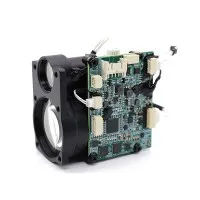

Hey there! As a supplier of Cooled Camera Modules, I've seen firsthand the importance of protecting these high - tech devices from damage. In this blog, I'll share some tips on how to safeguard your cooled camera modules to ensure they work efficiently and have a long lifespan.
Understanding Cooled Camera Modules
Before we jump into protection methods, let's quickly understand what cooled camera modules are. These modules are designed to detect infrared radiation. They use a cooling mechanism to reduce the noise in the detector, which results in better image quality. You can find more details about Cooled Thermal Cores on our website.
Environmental Protection
The environment where you use and store your cooled camera modules plays a huge role in their safety.
Temperature and Humidity
Cooled camera modules are sensitive to extreme temperatures and humidity. High temperatures can cause the cooling system to work harder, potentially leading to overheating and damage. On the other hand, low temperatures can affect the internal components' performance. As for humidity, it can cause condensation inside the module, which can short - circuit the electronics.
To protect against these issues, make sure to use the camera in an environment with a stable temperature and humidity level. If you need to use it in harsh conditions, consider using a protective enclosure that can regulate the internal environment. Also, when storing the camera, keep it in a climate - controlled area.
Dust and Debris
Dust and debris can easily find their way into the camera module, clogging the cooling vents and damaging the optics. This can lead to reduced image quality and even complete failure of the module.
To prevent this, use dust covers when the camera is not in use. Regularly clean the exterior of the camera with a soft, dry cloth. For more thorough cleaning, you can use compressed air to blow out any dust from the vents, but be careful not to use too much pressure as it can damage the internal components.
Handling and Transportation
How you handle and transport your cooled camera modules is also crucial for their protection.
Proper Handling
When handling the camera, always hold it by the designated grip areas. Avoid touching the lens or other sensitive parts with your fingers, as the oils from your skin can leave smudges and damage the coating. Make sure your hands are clean and dry before handling the camera.


Also, be gentle when attaching or detaching any cables or accessories. Rough handling can cause loose connections or damage to the ports.
Transportation
During transportation, use a high - quality, padded case to protect the camera from shocks and vibrations. Make sure the camera is securely fastened inside the case to prevent it from moving around. If you're shipping the camera, choose a reliable shipping service and consider getting insurance in case of any damage during transit.
Electrical Protection
Electrical issues can be a major threat to cooled camera modules.
Power Surges
Power surges can fry the internal electronics of the camera. To protect against this, use a surge protector when plugging in the camera. A surge protector will absorb any excess voltage and prevent it from reaching the camera.
Grounding
Proper grounding is essential to prevent electrical interference and static electricity build - up. Make sure the camera is properly grounded according to the manufacturer's instructions.
Maintenance and Inspection
Regular maintenance and inspection can help you catch any potential issues before they turn into major problems.
Regular Cleaning
As mentioned earlier, regular cleaning of the camera's exterior and vents is important. In addition, you may need to clean the lens periodically. Use a lens cleaning solution and a microfiber cloth to gently clean the lens. Avoid using abrasive materials that can scratch the lens.
Inspection
Inspect the camera regularly for any signs of damage, such as cracks in the housing, loose connections, or abnormal behavior. If you notice any issues, stop using the camera immediately and contact a professional for repair.
Software Updates
Software plays a vital role in the operation of cooled camera modules. Manufacturers often release software updates to improve performance, fix bugs, and add new features.
Make sure to keep your camera's software up - to - date. You can usually check for updates on the manufacturer's website. Installing these updates can not only enhance the camera's functionality but also protect it from potential software - related issues.
Training and Education
Proper training and education for the users of the cooled camera modules are essential. Make sure that anyone who uses the camera understands how to handle it properly, how to operate it in different conditions, and how to perform basic maintenance.
You can provide training materials or even organize training sessions to ensure that all users are well - informed. This can significantly reduce the risk of damage caused by improper use.
Final Thoughts and Call to Action
Protecting your cooled camera modules is a multi - faceted process that involves environmental control, proper handling, electrical protection, maintenance, and user education. By following these tips, you can ensure that your Cooled IR Camera or Cooled Thermal Camera Modules will have a long and productive lifespan.
If you're in the market for high - quality cooled camera modules or need more information on how to protect them, don't hesitate to reach out. We're here to help you make the best choice for your needs and ensure that your investment is well - protected.
References
- General knowledge about cooled camera module technology
- Manufacturer's guidelines for cooled camera module use and maintenance