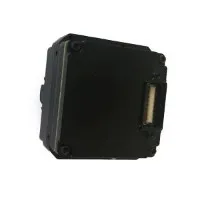

Hey there! I'm a supplier of Cooled Thermal Cores, and today I want to dig into the question: Can cooled thermal cores be used in food processing industries?
First off, let's quickly understand what cooled thermal cores are. A Cooled Thermal Imaging Core is a high - tech device that operates at extremely low temperatures to detect infrared radiation with high precision. It's a key component in many thermal imaging systems. Similarly, a Cooled Infrared Camera Core and a Cooled Ir Camera Module are also based on cooled thermal core technology, which are used for capturing detailed thermal images.
Now, let's see how these could fit into the food processing world. In food processing, maintaining the right temperature is super crucial. From the moment raw ingredients arrive at the processing plant to the final packaged product, temperature control can make or break the quality and safety of the food.
Quality Control
One of the main areas where cooled thermal cores can shine is in quality control. For example, when it comes to meat processing. Meat needs to be stored and processed at specific temperatures to prevent the growth of harmful bacteria. A cooled thermal imaging core can be used to scan large batches of meat quickly. It can detect any hot spots in the meat, which could indicate spoilage or the presence of bacteria. By catching these issues early, food processors can avoid sending out bad products, which saves money in the long run and protects the brand's reputation.


In the dairy industry, pasteurization is a vital process. Cooled thermal cores can be used to monitor the temperature of milk during pasteurization. Ensuring that the milk reaches the right temperature for the correct amount of time is essential to kill off any pathogens. With a Cooled Ir Camera Module, processors can get real - time temperature readings across the entire batch of milk, making sure that every drop is properly pasteurized.
Energy Efficiency
Another big plus of using cooled thermal cores in food processing is energy efficiency. Many food processing facilities use a lot of energy to maintain temperature control. By using thermal imaging technology, plant managers can identify areas where heat is being wasted. For instance, if there are leaks in the insulation of a cold storage room, a Cooled Infrared Camera Core can easily spot these areas as they will show up as temperature differences in the thermal image. Fixing these leaks can lead to significant energy savings over time.
Process Monitoring
Cooled thermal cores can also be used for process monitoring. In baking, for example, the temperature of the oven is critical for getting the perfect bake. A cooled thermal imaging core can be installed inside the oven to monitor the temperature distribution. This helps bakers adjust the oven settings to ensure that all the products are baked evenly. It can also detect any malfunctions in the heating elements early, preventing batches of products from being ruined.
Challenges
Of course, it's not all sunshine and rainbows. There are some challenges to using cooled thermal cores in food processing. One of the main issues is cost. Cooled thermal core technology is still relatively expensive compared to other temperature - monitoring methods. This can be a barrier for small and medium - sized food processing companies.
Another challenge is the need for proper training. Operators need to be trained to use the thermal imaging equipment correctly. They need to understand how to interpret the thermal images and make the right decisions based on the data.
Solutions
Despite these challenges, there are solutions. As technology advances, the cost of cooled thermal cores is gradually coming down. Also, some suppliers offer training programs to help food processing companies get the most out of their thermal imaging equipment.
In addition, the long - term benefits of using cooled thermal cores often outweigh the initial investment. The savings from better quality control, energy efficiency, and process optimization can add up over time.
Conclusion
So, can cooled thermal cores be used in food processing industries? Absolutely! They offer a wide range of benefits, from quality control to energy efficiency and process monitoring. While there are challenges, the solutions are within reach.
If you're in the food processing industry and are interested in exploring how cooled thermal cores can improve your operations, I'd love to have a chat. Whether you're looking for a Cooled Thermal Imaging Core, a Cooled Infrared Camera Core, or a Cooled Ir Camera Module, I can provide you with the right solutions. Don't hesitate to reach out and let's start a conversation about how we can take your food processing to the next level.
References
- "Thermal Imaging in Food Industry: Applications and Advancements" - Journal of Food Science and Technology
- "Temperature Monitoring and Control in Food Processing" - International Journal of Food Engineering