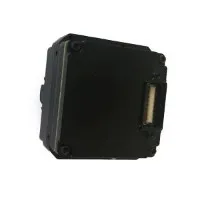

As a supplier of uncooled camera cores, I've often been asked about the viability of using our products in the oil and gas industries. This question is not only relevant but also crucial, considering the unique challenges and requirements of these sectors. In this blog, I'll delve into the potential of uncooled camera cores in the oil and gas industries, exploring their advantages, applications, and limitations.
Advantages of Uncooled Camera Cores
Uncooled camera cores offer several advantages that make them attractive for use in the oil and gas industries. Firstly, they are more cost - effective compared to cooled camera cores. Cooling systems in cameras are expensive to manufacture, operate, and maintain. Uncooled camera cores eliminate the need for these complex and costly cooling mechanisms, which is a significant benefit for companies in the oil and gas sector, where cost - control is always a priority.
Secondly, uncooled camera cores are more reliable. Cooling systems can be prone to failures, especially in harsh environments such as those found in oil and gas fields. Without the need for cooling, uncooled camera cores have fewer components that can malfunction, leading to a lower probability of system failure. This reliability is essential in an industry where continuous monitoring and operation are critical.
Another advantage is their lower power consumption. In remote oil and gas installations, power supply can be a challenge. Uncooled camera cores consume less power, which means they can be more easily integrated into existing power systems or run on alternative power sources such as solar panels. This energy - efficiency not only reduces operational costs but also makes the technology more sustainable.


Applications in the Oil and Gas Industries
Leak Detection
One of the most important applications of uncooled camera cores in the oil and gas industries is leak detection. Hydrocarbons, such as oil and natural gas, have different thermal signatures compared to the surrounding environment. Uncooled thermal cameras can detect these temperature differences, allowing operators to identify leaks in pipelines, storage tanks, and other equipment.
For example, a small leak in a pipeline may cause a local temperature change due to the evaporation or expansion of the leaking fluid. An uncooled thermal camera can quickly spot these anomalies, enabling early detection and prevention of potential environmental disasters and financial losses. Our Thermal Camera Module is specifically designed for such applications, providing high - resolution thermal images that can accurately pinpoint leaks.
Equipment Monitoring
Uncooled camera cores can also be used for equipment monitoring. In oil and gas facilities, there are numerous rotating and stationary equipment, such as pumps, compressors, and generators. These machines generate heat during operation, and any abnormal increase in temperature can indicate a mechanical problem or impending failure.
By using uncooled thermal cameras to monitor the temperature of equipment, operators can detect early signs of wear and tear, misalignment, or overloading. This proactive approach to maintenance can help prevent costly breakdowns and unplanned downtime. Our Thermal Imaging Camera Cores offer high - sensitivity and fast - response capabilities, making them ideal for real - time equipment monitoring.
Safety and Security
Safety and security are paramount in the oil and gas industries. Uncooled camera cores can play a vital role in enhancing both. In terms of safety, thermal cameras can detect hotspots in areas where there is a risk of fire or explosion, such as in refineries or storage facilities. By monitoring these areas continuously, operators can take preventive measures before a dangerous situation develops.
For security, uncooled thermal cameras can be used to detect intruders in restricted areas. Thermal imaging can detect the heat signature of a person, even in low - light or no - light conditions. This allows for effective surveillance of oil and gas installations, protecting them from unauthorized access and potential sabotage.
Flare Stack Monitoring
Flare stacks are used in oil and gas facilities to burn off excess or waste gases. Monitoring the operation of flare stacks is crucial to ensure environmental compliance and safe operation. Uncooled camera cores can be used to monitor the flame in the flare stack. By analyzing the thermal image of the flame, operators can determine its size, shape, and temperature, which are important indicators of the flare's efficiency and safety. Our 640 Thermal Camera Cores provide high - resolution images that can accurately capture the details of the flare flame.
Limitations of Uncooled Camera Cores
While uncooled camera cores have many advantages, they also have some limitations. One of the main limitations is their lower sensitivity compared to cooled camera cores. Cooled cameras can detect smaller temperature differences, which can be important in some applications where very subtle thermal changes need to be detected.
Another limitation is their performance in extreme environmental conditions. Although uncooled camera cores are more robust than cooled ones, they can still be affected by factors such as high humidity, dust, and extreme temperatures. In very harsh environments, additional protective measures may be required to ensure the proper functioning of the cameras.
Conclusion
In conclusion, uncooled camera cores have significant potential in the oil and gas industries. Their cost - effectiveness, reliability, low power consumption, and various applications make them a valuable tool for leak detection, equipment monitoring, safety and security, and flare stack monitoring. However, it's important to be aware of their limitations and take appropriate measures to address them.
If you're in the oil and gas industry and are interested in exploring the use of uncooled camera cores for your operations, I encourage you to contact us for a detailed discussion. We can provide you with more information about our products, their capabilities, and how they can be customized to meet your specific needs. Let's work together to enhance the efficiency, safety, and sustainability of your oil and gas operations.
References
- "Thermal Imaging in the Oil and Gas Industry" - Journal of Petroleum Engineering
- "Advances in Uncooled Thermal Camera Technology" - International Journal of Infrared and Millimeter Waves
- "Leak Detection and Monitoring in Oil and Gas Pipelines" - Pipeline Technology Journal