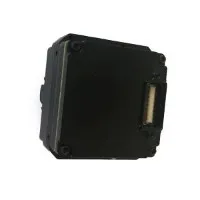

In recent years, the demand for reliable fire detection systems has grown exponentially, driven by the need to safeguard lives, property, and the environment from the devastating effects of fires. Among the various technologies available, thermal camera modules have emerged as a promising solution due to their ability to detect heat signatures invisible to the naked eye. As a leading supplier of thermal camera modules, we are often asked whether these devices can be effectively used for fire detection. In this blog post, we will explore the capabilities of thermal camera modules in fire detection, their advantages and limitations, and how they can be integrated into comprehensive fire safety systems.
How Thermal Camera Modules Work
Thermal camera modules operate on the principle of detecting infrared radiation emitted by objects based on their temperature. All objects above absolute zero (-273.15°C) emit infrared radiation, and the intensity of this radiation is directly proportional to the object's temperature. Thermal cameras use special sensors to detect this infrared radiation and convert it into an electrical signal, which is then processed to create a thermal image. These images display the temperature distribution of the scene being observed, with warmer areas appearing brighter and cooler areas appearing darker.
Can a Thermal Camera Module be Used for Fire Detection?
The short answer is yes. Thermal camera modules can be highly effective for fire detection due to their ability to detect the heat generated by a fire before visible flames or smoke are present. This early detection capability is crucial as it allows for a faster response time, which can significantly reduce the spread of the fire and minimize damage.
Early Fire Detection
One of the primary advantages of using thermal camera modules for fire detection is their ability to detect the initial stages of a fire when it is still in the smoldering phase. During this stage, a fire may not produce visible flames or significant amounts of smoke, making it difficult to detect using traditional smoke detectors. However, thermal cameras can detect the elevated temperatures associated with smoldering fires, providing an early warning before the fire spreads and becomes more difficult to control.
Wide Area Monitoring
Thermal camera modules can cover large areas, making them suitable for monitoring industrial facilities, warehouses, forests, and other large-scale environments. Unlike traditional fire detectors, which are typically installed at fixed locations and have a limited detection range, thermal cameras can provide a comprehensive view of an entire area, allowing for the detection of fires in multiple locations simultaneously. This wide-area monitoring capability is particularly useful in preventing the spread of wildfires, where early detection can be critical in protecting lives and property.
Day and Night Operation
Thermal camera modules can operate effectively in both daylight and nighttime conditions, as they rely on infrared radiation rather than visible light. This makes them ideal for continuous fire monitoring, regardless of the time of day or weather conditions. In contrast, traditional fire detection systems that rely on visible light or smoke sensors may be less effective in low-light or smoky conditions.
Non-Intrusive Monitoring
Thermal camera modules offer non-intrusive monitoring, which means they can be installed without the need for physical contact with the monitored area. This is particularly beneficial in environments where it may be difficult or dangerous to install traditional fire detectors, such as in high-temperature areas, hazardous locations, or areas with limited access.


Advantages of Thermal Camera Modules for Fire Detection
In addition to the above, there are several other advantages of using thermal camera modules for fire detection:
- High Sensitivity: Thermal camera modules can detect even small changes in temperature, allowing for the early detection of potential fire hazards.
- Real-Time Monitoring: These modules can provide real-time thermal images, enabling immediate response to detected fires.
- Remote Monitoring: Thermal camera modules can be connected to a remote monitoring system, allowing for continuous monitoring and instant alerts in the event of a fire.
- Integration with Other Systems: Thermal camera modules can be easily integrated with other fire safety systems, such as alarm systems, sprinkler systems, and ventilation systems, to provide a comprehensive fire protection solution.
Limitations of Thermal Camera Modules for Fire Detection
While thermal camera modules offer many advantages for fire detection, they also have some limitations that need to be considered:
- Limited Detection Range: The detection range of thermal camera modules is limited by factors such as the camera's resolution, sensitivity, and the distance from the heat source. In some cases, additional cameras or different camera configurations may be required to cover large areas effectively.
- Environmental Factors: Environmental factors such as dust, fog, rain, and smoke can affect the performance of thermal camera modules by reducing the clarity of the thermal images. In such conditions, additional measures may be needed to improve the camera's performance.
- False Alarms: Thermal camera modules may generate false alarms due to factors such as changes in ambient temperature, reflections, or the presence of other heat sources. To minimize false alarms, advanced algorithms and filtering techniques can be used to differentiate between real fires and other heat sources.
Integrating Thermal Camera Modules into Fire Safety Systems
To maximize the effectiveness of thermal camera modules for fire detection, they should be integrated into a comprehensive fire safety system that includes other fire detection devices, such as smoke detectors and heat sensors, as well as alarms, sprinklers, and ventilation systems. By combining the strengths of different fire detection technologies, a more reliable and robust fire safety system can be achieved.
When integrating thermal camera modules into a fire safety system, it is important to consider the specific requirements of the application, including the size and layout of the monitored area, the type of fire hazards present, and the desired level of protection. Our team of experts can provide guidance and support in selecting the right thermal camera modules and integrating them into your fire safety system.
Our Thermal Camera Module Offerings
At our company, we offer a range of high-quality thermal camera modules suitable for fire detection applications. Our 640 Thermal Camera Cores provide high-resolution thermal imaging, allowing for the detection of small temperature differences and the identification of potential fire hazards. Our Infrared Thermal Imaging Camera is designed for rugged environments and offers superior performance in challenging conditions. We also offer OEM Thermal Camera Modules that can be customized to meet the specific needs of your application.
Contact Us for Fire Detection Solutions
If you are interested in using thermal camera modules for fire detection or have any questions about our products and services, please do not hesitate to contact us. Our team of experts is available to provide you with detailed information, technical support, and assistance in selecting the right thermal camera modules for your needs. We look forward to the opportunity to work with you and help you enhance the fire safety of your facilities and operations.
References
- Schueler, T., & Riggenbach, B. (2015). Infrared thermography for fire detection and prevention. Proceedings of the International Fire Protection Conference, 1-8.
- Rauf, A., & Khan, M. A. (2017). Early fire detection using thermal imaging cameras: A review. Journal of Loss Prevention in the Process Industries, 49, 220-230.
- Yoon, S. Y., & Choi, Y. J. (2019). A study on the performance evaluation of thermal imaging cameras for fire detection. Fire Safety Journal, 106, 102897.