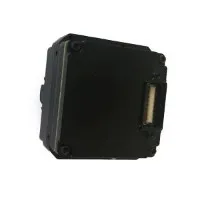

Are uncooled camera cores waterproof?
As a well - established supplier of Uncooled Camera Cores, I often get asked a variety of questions from customers. One of the most common inquiries is whether uncooled camera cores are waterproof. In this blog post, I will delve into this topic in detail, providing you with scientific and practical insights.
Understanding Uncooled Camera Cores
Before we discuss waterproofing, let's briefly understand what uncooled camera cores are. Uncooled camera cores are a key component in thermal imaging technology. Unlike cooled camera cores that require cryogenic cooling to operate at extremely low temperatures, uncooled camera cores can function at room temperature. This makes them more cost - effective, smaller in size, and more energy - efficient. They are widely used in many applications, including surveillance, industrial inspection, automotive safety, and wildlife monitoring.
You can find a wide range of our Uncooled Infrared Camera Core on our website, which offers high - quality imaging solutions for various industries.
The Basics of Waterproofing
Waterproofing is a crucial consideration for any electronic device, especially those that are likely to be exposed to harsh environmental conditions. When it comes to uncooled camera cores, the level of waterproofing can vary significantly depending on the design and intended use of the core.
The ingress protection (IP) rating system is commonly used to indicate the degree of protection provided by an enclosure against the intrusion of solid objects (such as dust) and liquids (such as water). The IP rating consists of two digits. The first digit represents the protection against solid objects, and the second digit represents the protection against liquids. For example, an IP67 rating means that the device is completely protected against dust ingress (the highest level of protection for solids) and can withstand immersion in water up to 1 meter for a limited time.
Are Uncooled Camera Cores Naturally Waterproof?
In general, uncooled camera cores are not naturally waterproof. The internal components of these cores, such as the infrared detector, electronic circuits, and lenses, are sensitive to moisture. Water can cause corrosion, short - circuits, and other damage to these components, leading to a degradation in performance or even complete failure of the camera core.
Most uncooled camera cores are designed to be used in controlled environments where they are protected from direct exposure to water. However, in some cases, additional waterproofing measures can be taken to make them suitable for use in wet or humid conditions.
Waterproofing Measures for Uncooled Camera Cores
If you need to use uncooled camera cores in an environment where they may be exposed to water, there are several waterproofing measures that can be implemented:
Enclosure Design: One of the most common ways to waterproof an uncooled camera core is to place it inside a waterproof enclosure. The enclosure should be made of a material that is resistant to water and corrosion, such as stainless steel or high - quality plastic. The enclosure should also have proper seals and gaskets to prevent water from entering.


Coating: Applying a waterproof coating to the internal components of the camera core can provide an additional layer of protection. There are various types of coatings available, such as conformal coatings, which can be sprayed or dipped onto the components. These coatings form a thin, protective film that helps to prevent moisture from coming into contact with the sensitive parts of the core.
Sealing of Connectors: Connectors are often a weak point in terms of waterproofing. Ensuring that all connectors are properly sealed is essential. This can be done using waterproof connectors or by applying sealants around the connectors to prevent water from seeping in.
Our Thermal Camera Cores can be customized with different levels of waterproofing according to your specific requirements.
Applications of Waterproof Uncooled Camera Cores
Waterproof uncooled camera cores have a wide range of applications in industries where exposure to water is common. Some of these applications include:
Marine Surveillance: In the marine industry, uncooled camera cores can be used for surveillance purposes, such as monitoring ports, ships, and offshore installations. These cameras need to be waterproof to withstand the harsh marine environment, including saltwater spray and heavy rain.
Outdoor Security: Outdoor security systems often require cameras that can operate in all weather conditions. Waterproof uncooled camera cores can provide reliable thermal imaging in wet or humid conditions, enhancing the security of residential and commercial properties.
Industrial Inspection in Wet Environments: In industries such as food processing, brewing, and wastewater treatment, uncooled camera cores can be used for equipment inspection. These environments are often wet, and waterproof camera cores are necessary to ensure accurate and reliable inspections.
Factors Affecting the Waterproofing Performance
Even with proper waterproofing measures in place, several factors can affect the waterproofing performance of uncooled camera cores:
Temperature: Extreme temperatures can affect the performance of the waterproofing materials. For example, at very low temperatures, the seals and gaskets may become brittle and lose their elasticity, while at high temperatures, the coatings may degrade.
Pressure: High - pressure water, such as from a fire hose or a high - pressure washer, can overcome the waterproofing of the camera core. It is important to consider the pressure rating of the waterproofing system when selecting a camera core for use in high - pressure environments.
Chemical Exposure: In some industrial environments, the camera core may be exposed to chemicals in addition to water. These chemicals can react with the waterproofing materials and damage the core. It is important to choose waterproofing materials that are resistant to the specific chemicals present in the environment.
Testing the Waterproofing of Uncooled Camera Cores
To ensure the reliability of the waterproofing of uncooled camera cores, rigorous testing is required. Some of the common tests include:
Water Immersion Test: This test involves immersing the camera core or the waterproofed enclosure in water for a specified period of time at a certain depth. After the immersion, the camera core is inspected for any signs of water ingress or damage.
Spray Test: A spray test can be used to simulate the effect of rain or water spray on the camera core. Water is sprayed onto the camera core or the enclosure at a specific angle and pressure for a set period of time, and then the core is checked for performance.
Our LWIR Micro Thermal Camera Module undergoes strict waterproofing testing to ensure its performance in various environments.
Conclusion
In conclusion, uncooled camera cores are not naturally waterproof, but with proper design and additional waterproofing measures, they can be made suitable for use in wet or humid conditions. When considering using uncooled camera cores in such environments, it is important to understand the specific requirements of your application and choose a camera core with the appropriate level of waterproofing.
If you are interested in our uncooled camera cores and would like to discuss your specific waterproofing needs, please feel free to contact us. Our team of experts is ready to assist you in selecting the right camera core for your application and providing you with customized waterproofing solutions.
References
- "Thermal Imaging Handbook" by David C. Wilson
- "Ingress Protection (IP) Rating System" - International Electrotechnical Commission (IEC) standards
- Technical documents from leading manufacturers of uncooled camera cores