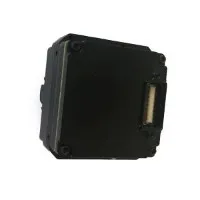

Hey there! As a supplier of Cooled Camera Modules, I often get asked about the shock and vibration resistance of these high - tech devices. So, let's dive right into it and explore what makes these modules stand up to the rigors of shock and vibration.
Understanding Cooled Camera Modules
First off, let's talk a bit about Cooled Camera Modules. These are sophisticated pieces of equipment used in a wide range of applications, from military and aerospace to industrial inspection and scientific research. The cooling mechanism in these cameras is crucial as it helps in reducing noise and improving the overall performance of the infrared sensors.


Why Shock and Vibration Resistance Matters
In many real - world scenarios, these cameras are not used in a controlled, stable environment. They can be mounted on moving vehicles, drones, or even used in handheld devices that are subject to jolts and shakes. Shock and vibration can have a significant impact on the performance and longevity of the camera modules.
When a camera experiences shock, it means that there is a sudden and intense force applied to it. This could happen if a device is dropped or if it's in a vehicle that hits a pothole. Vibration, on the other hand, is a continuous, oscillating motion. It can come from the engine of a vehicle, the movement of machinery, or even the wind when the camera is installed on an outdoor platform.
If a cooled camera module is not resistant to shock and vibration, it can lead to several problems. The delicate internal components, such as the infrared sensors and the cooling system, can be damaged. This can result in a decrease in image quality, inaccurate temperature readings, or even complete failure of the camera.
How Cooled Camera Modules are Made Resistant
Manufacturers of Cooled Ir Camera Module and Cooled Ir Camera Core take several steps to ensure shock and vibration resistance.
1. Robust Enclosure Design
The first line of defense is the enclosure. A well - designed enclosure can absorb and distribute the shock and vibration forces. It is usually made of strong materials like aluminum or stainless steel. These materials are not only durable but also provide good protection against external impacts. The enclosure is designed in such a way that it holds all the internal components firmly in place, preventing them from moving around during shock or vibration.
2. Flexible Mounting Systems
Another important aspect is the mounting system. A flexible mounting system allows the camera module to move slightly in response to shock and vibration, rather than taking the full brunt of the force. This can be achieved through the use of rubber mounts or other shock - absorbing materials. These mounts act as a buffer, reducing the amount of force that reaches the internal components of the camera.
3. Internal Component Securing
Inside the camera module, all the components are carefully secured. The sensors, circuit boards, and other delicate parts are fixed in place using screws, adhesives, or other fastening methods. This ensures that they don't shift or get damaged during shock or vibration.
Testing the Shock and Vibration Resistance
Before a cooled camera module is released to the market, it goes through a series of rigorous tests to ensure its shock and vibration resistance.
Shock Testing
Shock testing involves subjecting the camera module to sudden impacts. The camera is dropped from a certain height onto a hard surface or is hit with a controlled force. The manufacturer then checks for any damage to the internal components and the overall performance of the camera. If the camera passes the shock test, it means that it can withstand a certain level of sudden impact without malfunctioning.
Vibration Testing
Vibration testing is done by placing the camera module on a vibration table. The table is then made to vibrate at different frequencies and amplitudes. The camera is monitored during the test to see if there are any changes in its performance. This helps the manufacturer determine the maximum vibration levels that the camera can tolerate.
Real - World Applications
Let's take a look at some real - world applications where shock and vibration resistance of cooled camera modules is crucial.
Military and Aerospace
In military and aerospace applications, cameras are often mounted on aircraft, drones, or military vehicles. These platforms are subject to high levels of shock and vibration during takeoff, landing, and flight. A camera that can withstand these conditions is essential for tasks such as surveillance, target acquisition, and navigation.
Industrial Inspection
In industrial settings, cameras are used for inspecting machinery, pipelines, and other equipment. These cameras are often exposed to the vibrations of the machinery and can also be subject to accidental knocks. A shock - and vibration - resistant camera ensures reliable performance in these harsh environments.
Scientific Research
In scientific research, cameras are used in various experiments and observations. They may be placed in remote locations or on moving platforms. Shock and vibration resistance is important to ensure that the data collected by the camera is accurate and reliable.
Choosing the Right Cooled Camera Module
If you're in the market for a cooled camera module, shock and vibration resistance should be one of the key factors to consider. Here are some things to keep in mind:
- Specifications: Look at the manufacturer's specifications for shock and vibration resistance. They usually provide information on the maximum shock and vibration levels that the camera can withstand.
- Application: Consider the environment in which the camera will be used. If it will be in a high - shock or high - vibration environment, you'll need a camera with a higher level of resistance.
- Reputation: Check the reputation of the manufacturer. A well - established manufacturer is more likely to produce high - quality, shock - and vibration - resistant camera modules.
Contact Us for Your Cooled Camera Module Needs
If you're interested in purchasing cooled camera modules, we're here to help. We have a wide range of Cooled Camera Modules that are designed to meet the highest standards of shock and vibration resistance. Whether you're in the military, aerospace, industrial, or scientific research field, we can provide you with the right solution for your needs.
Don't hesitate to reach out to us for more information or to start a procurement discussion. We're always happy to answer your questions and help you find the perfect camera module for your application.
References
- "Thermal Imaging Handbook" - A comprehensive guide on thermal imaging technology and the design of camera modules.
- Industry reports on the performance and reliability of cooled camera modules in different applications.