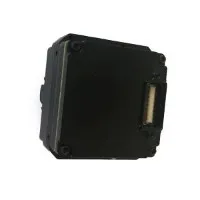

In the field of thermal imaging technology, uncooled camera cores have emerged as a revolutionary force, offering a wide range of applications across various industries. As a leading supplier of Uncooled Camera Cores, I am excited to delve into the principles that make these remarkable devices work.
The Basics of Infrared Radiation
To understand the principle of uncooled camera cores, we first need to grasp the concept of infrared radiation. Infrared radiation is a form of electromagnetic radiation with wavelengths longer than those of visible light. All objects above absolute zero (-273.15°C) emit infrared radiation as a result of the thermal motion of their atoms and molecules. The intensity and wavelength distribution of this radiation are related to the object's temperature.

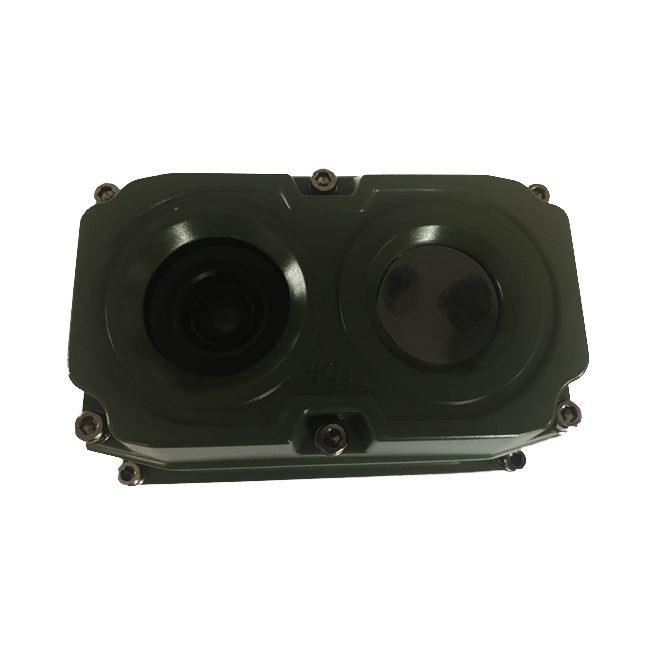
How Uncooled Camera Cores Detect Infrared Radiation
Uncooled camera cores are designed to detect and convert infrared radiation into electrical signals, which can then be processed to create a thermal image. Unlike cooled camera cores, which require cryogenic cooling to extremely low temperatures, uncooled camera cores operate at room temperature, making them more cost - effective, compact, and reliable.
The key component of an uncooled camera core is the microbolometer array. A microbolometer is a tiny thermal detector that changes its electrical resistance in response to the absorption of infrared radiation. Here's a step - by - step breakdown of how it works:
1. Infrared Absorption
The microbolometer array is coated with a material that has high absorption properties for infrared radiation. When infrared radiation from the scene being observed strikes the microbolometer, the energy of the radiation is absorbed by the detector material. This causes a rise in the temperature of the microbolometer.
2. Resistance Change
Microbolometers are made of materials with a high temperature coefficient of resistance (TCR). A high TCR means that even a small change in temperature results in a significant change in electrical resistance. As the temperature of the microbolometer increases due to the absorbed infrared radiation, its electrical resistance changes accordingly.
3. Signal Detection
The change in resistance of the microbolometer is detected by an integrated circuit (IC) that is connected to the array. The IC applies a constant current or voltage across the microbolometer and measures the resulting change in the electrical signal. This change in the electrical signal is proportional to the amount of infrared radiation absorbed by the microbolometer, which in turn is related to the temperature of the object in the scene.
4. Image Formation
The electrical signals from all the microbolometers in the array are collected and processed by a digital signal processor (DSP). The DSP converts these signals into a digital image, where each pixel in the image corresponds to a microbolometer in the array. The intensity of each pixel is determined by the amount of infrared radiation detected by the corresponding microbolometer, which reflects the temperature of the object in that part of the scene.
Advantages of Uncooled Camera Cores
Uncooled camera cores offer several advantages over their cooled counterparts:
Cost - Effectiveness
Cooled camera cores require expensive cryogenic cooling systems, which significantly increase the cost of the device. In contrast, uncooled camera cores operate at room temperature, eliminating the need for such costly cooling systems. This makes them more accessible for a wider range of applications and customers.
Compactness
The absence of a cryogenic cooling system allows uncooled camera cores to be much more compact in size. This makes them suitable for applications where space is limited, such as in handheld thermal imaging devices, drones, and automotive safety systems.
Reliability
Cooled camera cores are more complex and have a higher risk of failure due to the mechanical and cryogenic components. Uncooled camera cores, on the other hand, have fewer moving parts and no cryogenic system, which makes them more reliable and less prone to breakdowns.
Applications of Uncooled Camera Cores
Uncooled camera cores have a wide range of applications in various industries:
Security and Surveillance
Infrared thermal cameras equipped with uncooled camera cores are used for perimeter security, surveillance of large areas, and detection of intruders in low - light or no - light conditions. They can detect the heat signatures of humans and animals, even when they are hidden from view, providing an additional layer of security. Infrared Thermal Camera
Industrial Inspection
Thermal imaging is widely used in industrial settings for equipment inspection, predictive maintenance, and energy auditing. Uncooled camera cores can detect overheating components in electrical systems, mechanical equipment, and pipelines, allowing for early detection of potential problems and preventing costly breakdowns. Thermal Imaging Camera Cores
Automotive Safety
In automotive applications, uncooled camera cores are used in advanced driver - assistance systems (ADAS) to improve night - time visibility and detect pedestrians and animals on the road. They can provide an additional layer of safety by alerting drivers to potential hazards that may not be visible with traditional headlights.
Medical Imaging
Thermal imaging has potential applications in the medical field, such as detecting inflammation, monitoring blood flow, and diagnosing certain diseases. Uncooled camera cores can be used to develop non - invasive and portable medical thermal imaging devices.
Firefighting
Firefighters use thermal imaging cameras with uncooled camera cores to see through smoke and locate hotspots in burning buildings. This helps them to identify the source of the fire, find victims, and make more informed decisions during firefighting operations.
Our Role as a Supplier
As a supplier of Uncooled Camera Cores, we are committed to providing high - quality products that meet the diverse needs of our customers. Our camera cores are designed with the latest technology to ensure high sensitivity, resolution, and reliability. We offer a range of products with different specifications and features, allowing our customers to choose the most suitable solution for their applications.
We also provide comprehensive technical support and after - sales service to our customers. Our team of experts is available to assist with product selection, installation, and troubleshooting. We work closely with our customers to understand their requirements and provide customized solutions that meet their specific needs.
Contact Us for Procurement
If you are interested in purchasing Uncooled Camera Cores for your project or application, we invite you to contact us for a detailed discussion. Our sales team will be happy to provide you with more information about our products, pricing, and delivery options. We look forward to the opportunity to work with you and provide you with the best thermal imaging solutions.
References
- "Thermal Imaging Handbook" by Michael Vollmer and Christian Herrmann
- "Infrared and Electro - optical Systems Handbook" edited by W. L. Wolfe and G. J. Zissis
- Technical papers and research articles on microbolometer technology from leading academic journals and conferences.