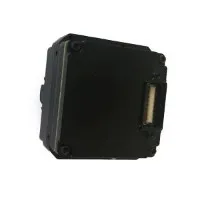

Hey there! As a supplier of Mini Thermal Cameras, I often get asked about the maximum operating altitude of these nifty little devices. It's a super important question, especially for those who plan to use these cameras in high - altitude environments, like mountain climbers, aviators, or even in some high - flying drones. So, let's dig into it!
Understanding Mini Thermal Cameras
Before we jump into the altitude stuff, let's quickly go over what a Mini Thermal Camera is. These are compact, lightweight cameras that detect infrared radiation and convert it into a visible image. They're great because they can be used in all sorts of situations, from security and surveillance to wildlife monitoring.
Our Mini Thermal Cameras are designed to be as versatile as possible. They come with high - resolution sensors that can pick up even the slightest temperature differences. Whether you're trying to spot a person in the dark or check the heat signature of a building, these cameras have got you covered.
Factors Affecting Operating Altitude
Now, when it comes to the maximum operating altitude, there are a few factors we need to consider.
Air Pressure
As you go higher in altitude, the air pressure drops. This can have an impact on the camera's internal components. For instance, some of the seals in the camera might be affected by the change in pressure. If the pressure difference is too great, it could cause air to leak into the camera, which might mess with the sensor's performance. Our Mini Thermal Cameras are built with high - quality seals that can withstand a certain range of pressure changes. But there's still a limit to how much they can handle.
Temperature
The temperature also drops as you climb higher. Mini Thermal Cameras are designed to work within a specific temperature range. If it gets too cold, the battery might not perform as well, and the electronic components could start to malfunction. Most of our cameras are rated to work in temperatures as low as - 20°C, but in extremely high - altitude regions, the temperature can drop way below that.
Oxygen Levels
Another factor is the oxygen level. While oxygen doesn't directly affect the camera's operation, it can impact the cooling system if the camera has one. Some Cooled Ir Camera Module and Cooled IR Camera models rely on a cooling mechanism to keep the sensor at an optimal temperature. At high altitudes, the lower oxygen levels can make it harder for the cooling system to work efficiently.
Determining the Maximum Operating Altitude
Based on our testing and research, the maximum operating altitude for our Mini Thermal Cameras is around 5000 meters. At this altitude, the cameras can still function properly, although you might notice a slight decrease in performance. The image quality might not be as sharp as it is at sea - level, and the battery life might be a bit shorter.
We've tested our cameras in controlled environments that simulate high - altitude conditions. We've also had some customers use our cameras in real - world high - altitude scenarios, like on mountain expeditions. Their feedback has been really helpful in determining this maximum altitude.
However, it's important to note that this is just a general guideline. The actual maximum operating altitude can vary depending on the specific model of the camera and how it's being used. For example, if the camera is being used in a well - insulated enclosure, it might be able to handle higher altitudes better.


Comparing with Other Cameras
When you compare our Mini Thermal Cameras with Cooled Thermal Imaging Core cameras, the maximum operating altitude can be a bit different. Cooled cameras often have more complex cooling systems, which can be more sensitive to the changes in air pressure and temperature at high altitudes. So, in some cases, their maximum operating altitude might be lower than that of our Mini Thermal Cameras.
On the other hand, cooled cameras usually offer higher image quality and better sensitivity. So, it really depends on your specific needs. If you need to use the camera at extremely high altitudes, our Mini Thermal Cameras might be a better choice. But if you're looking for the best possible image quality and don't mind the altitude limitations, a cooled camera could be the way to go.
Tips for Using Mini Thermal Cameras at High Altitudes
If you're planning to use our Mini Thermal Cameras at high altitudes, here are a few tips to keep in mind:
- Pre - warm the camera: Before you start using the camera, let it warm up for a few minutes. This can help the battery and the electronic components reach their optimal operating temperature.
- Keep it protected: Use a protective case to shield the camera from the cold and the wind. This can help maintain a more stable internal temperature.
- Carry extra batteries: The cold can drain the battery faster, so it's a good idea to have some extra batteries on hand.
Conclusion
So, to sum it up, the maximum operating altitude for our Mini Thermal Cameras is around 5000 meters. But remember, this can vary depending on the model and the usage conditions. We've designed these cameras to be as robust as possible, but high - altitude environments can still pose some challenges.
If you're interested in purchasing our Mini Thermal Cameras or have any questions about their performance at high altitudes, feel free to reach out. We're always happy to help you find the right camera for your needs. Whether you're a professional in the field or just a hobbyist, our Mini Thermal Cameras can offer great value and performance.
References
- Thermal Imaging Handbook: A Guide to the Principles and Applications of Thermal Imaging, [Author's Name]
- Research Papers on the Effects of High - Altitude Conditions on Electronic Devices, Various Authors