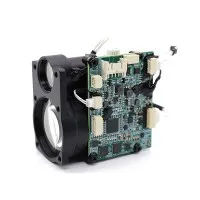

Electromagnetic compatibility (EMC) is a critical aspect in the design and operation of modern electronic devices, including thermal camera modules. As a supplier of thermal camera modules, understanding and ensuring the electromagnetic compatibility of our products is of utmost importance. In this blog post, we will delve into what electromagnetic compatibility means for a thermal camera module, why it matters, and how we address it in our products.
What is Electromagnetic Compatibility?
Electromagnetic compatibility refers to the ability of an electronic device to operate as intended in its electromagnetic environment without causing or suffering unacceptable electromagnetic interference (EMI). EMI can be generated by a variety of sources, such as radio frequency (RF) emissions from other electronic devices, power line disturbances, and electrostatic discharges. When a device is not electromagnetically compatible, it may experience malfunctions, reduced performance, or even complete failure.
For a thermal camera module, electromagnetic compatibility is crucial because it operates in an environment filled with various electromagnetic signals. These signals can interfere with the module's internal circuits, sensors, and data transmission, leading to inaccurate temperature measurements, image artifacts, or communication errors. Therefore, ensuring that our thermal camera modules are electromagnetically compatible is essential to provide reliable and high - quality products to our customers.
Why EMC Matters for Thermal Camera Modules
1. Accuracy of Temperature Measurements
Thermal camera modules rely on highly sensitive infrared sensors to detect and measure the infrared radiation emitted by objects. Any electromagnetic interference can disrupt the normal operation of these sensors, causing fluctuations in the measured temperature values. For example, RF interference can introduce noise into the sensor's output signal, leading to inaccurate temperature readings. This can be a significant problem in applications where precise temperature measurements are required, such as industrial process monitoring, medical diagnostics, and building energy audits.
2. Image Quality
In addition to accurate temperature measurements, good image quality is also crucial for thermal camera modules. Electromagnetic interference can cause artifacts in the thermal images, such as streaks, blurs, or random noise. These artifacts can make it difficult for users to analyze the thermal patterns and identify potential issues. For instance, in security and surveillance applications, poor image quality due to EMI can prevent the detection of intruders or abnormal heat sources.
3. Communication Reliability
Many thermal camera modules are designed to communicate with other devices, such as computers, servers, or data loggers, to transmit temperature data and images. EMI can disrupt these communication links, leading to data loss, communication errors, or even complete disconnection. This can be a major problem in applications where real - time data transmission is required, such as remote monitoring systems and automated control processes.
How We Ensure EMC in Our Thermal Camera Modules
1. Design Considerations
During the design phase of our thermal camera modules, we adopt a series of EMC design techniques to minimize the generation and susceptibility of electromagnetic interference.
- Circuit Layout Optimization: We carefully design the printed circuit boards (PCBs) of our thermal camera modules to reduce the length of signal traces, minimize the loop area of current paths, and separate high - frequency and low - frequency circuits. This helps to reduce the radiation of electromagnetic fields and the coupling of interference signals.
- Shielding: We use shielding materials, such as metal enclosures and conductive coatings, to protect the internal circuits of the thermal camera modules from external electromagnetic interference. The shielding materials can block or absorb the electromagnetic waves, preventing them from reaching the sensitive components inside the module.
- Filtering: We incorporate electromagnetic interference filters into the power supply and signal lines of the thermal camera modules. These filters can suppress the high - frequency noise and interference signals, ensuring that the power and signals supplied to the internal circuits are clean and stable.
2. Testing and Certification
We conduct comprehensive EMC testing on our thermal camera modules to ensure that they meet the relevant international standards and regulations. Our testing process includes radiated emission testing, conducted emission testing, electrostatic discharge (ESD) immunity testing, radio frequency electromagnetic field immunity testing, and electrical fast transient/burst immunity testing.
- Radiated Emission Testing: This test measures the electromagnetic radiation emitted by the thermal camera module in the radio frequency range. The module is placed in an anechoic chamber, and the radiation levels are measured using specialized antennas. The results are compared with the limits specified in the relevant standards, such as CISPR 22 or FCC Part 15.
- Conducted Emission Testing: This test measures the electromagnetic interference conducted through the power supply and signal lines of the thermal camera module. The module is connected to a power source and a test receiver, and the conducted interference levels are measured. The results are also compared with the standard limits.
- Immunity Testing: Immunity testing is used to evaluate the ability of the thermal camera module to withstand external electromagnetic interference. We subject the module to various types of interference, such as ESD, RF electromagnetic fields, and electrical fast transients, and monitor its performance. If the module can maintain its normal operation without significant degradation in performance, it passes the immunity test.
After passing the EMC testing, our thermal camera modules are certified to meet the relevant standards, which provides our customers with confidence in the electromagnetic compatibility of our products.
Our Product Offerings
As a leading supplier of thermal camera modules, we offer a wide range of products to meet the diverse needs of our customers. Our 640 Thermal Camera Cores provide high - resolution thermal imaging capabilities, making them suitable for applications that require detailed temperature distribution analysis. Our Infrared Thermal Camera series is designed for various industries, including security, industrial inspection, and research. And our Uncooled Thermal Camera Modules offer a cost - effective solution with reliable performance.
All of our products are designed and manufactured with strict EMC requirements in mind. We continuously invest in research and development to improve the electromagnetic compatibility of our thermal camera modules, ensuring that they can operate stably in various electromagnetic environments.
Contact Us for Procurement
If you are interested in our thermal camera modules and would like to learn more about their electromagnetic compatibility or other features, please feel free to contact us for procurement discussions. Our team of experts is ready to provide you with detailed product information, technical support, and customized solutions to meet your specific requirements.


References
- "Electromagnetic Compatibility Engineering" by Henry W. Ott.
- International Electrotechnical Commission (IEC) standards related to electromagnetic compatibility, such as IEC 61000 series.
- Federal Communications Commission (FCC) regulations on electromagnetic interference, such as FCC Part 15.