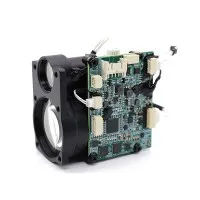

As a supplier of Mini Thermal Cameras, I often encounter inquiries from customers about the effective temperature range of these devices. Understanding this parameter is crucial for various applications, from industrial inspections to security surveillance. In this blog post, I'll delve into the concept of the effective temperature range of a Mini Thermal Camera, exploring its significance, factors that influence it, and practical considerations for different use cases.
What is the Effective Temperature Range?
The effective temperature range of a Mini Thermal Camera refers to the span of temperatures within which the camera can accurately detect and measure thermal radiation. It is typically defined by two values: the minimum temperature (Tmin) and the maximum temperature (Tmax) that the camera can handle. For instance, a camera with an effective temperature range of -20°C to 150°C can reliably measure temperatures from -20 degrees Celsius up to 150 degrees Celsius.
This range is a critical specification because it determines the camera's suitability for specific tasks. If you're using a thermal camera to monitor the temperature of electrical components, which usually operate within a relatively narrow temperature range, a camera with a more precise and appropriate effective temperature range will provide more accurate readings. On the other hand, if you're using the camera for wildfire detection, you'll need a device with a much higher maximum temperature limit.
Factors Influencing the Effective Temperature Range
Several factors can influence the effective temperature range of a Mini Thermal Camera. One of the primary factors is the type of detector used in the camera. There are two main types of detectors: cooled and uncooled.
Cooled detectors, such as those found in Cooled Thermal Camera Module, use cryogenic cooling to reduce thermal noise and improve sensitivity. These detectors can offer a wider effective temperature range and higher sensitivity compared to uncooled detectors. They are often used in high - end applications where precision and a broad temperature range are required, such as military and scientific research. However, cooled detectors are more expensive and require more maintenance due to the cooling system.
Uncooled detectors, on the other hand, are more common in Mini Thermal Cameras. They operate at room temperature and are generally more cost - effective and reliable. While their effective temperature range is typically more limited compared to cooled detectors, it is sufficient for many commercial and industrial applications.
The optics of the camera also play a role in determining the effective temperature range. High - quality optics can focus the infrared radiation onto the detector more efficiently, allowing for better temperature measurement across a wider range. Additionally, the camera's signal processing algorithms can enhance the accuracy of temperature measurements within the specified range.
Practical Considerations for Different Applications
Industrial Inspections
In industrial settings, Mini Thermal Cameras are used for a variety of inspections, such as detecting overheating electrical components, monitoring the temperature of machinery, and inspecting building insulation. For electrical inspections, a camera with an effective temperature range of around 0°C to 200°C is usually sufficient. This range allows for the detection of abnormal temperature rises in electrical panels, motors, and transformers.
When inspecting industrial machinery, the temperature range may need to be adjusted depending on the type of equipment. For example, high - speed rotating machinery can generate significant heat, and a camera with a higher maximum temperature limit, perhaps up to 500°C, may be required.


Building Inspections
In building inspections, thermal cameras are used to detect heat loss, moisture intrusion, and structural defects. The effective temperature range for building inspections is typically between - 10°C and 50°C. This range covers the normal temperature variations in buildings, both indoors and outdoors. By detecting temperature differences, inspectors can identify areas where insulation is lacking or where there are air leaks.
Security and Surveillance
In security and surveillance applications, Mini Thermal Cameras are used to detect intruders in low - light or no - light conditions. The effective temperature range for these applications is usually designed to detect the body temperature of humans, which is around 32°C to 37°C. However, the camera may also need to be able to handle a wider range to account for different environmental conditions, such as cold nights or hot days.
Choosing the Right Mini Thermal Camera Based on Temperature Range
When choosing a Mini Thermal Camera, it's essential to consider the specific requirements of your application. First, determine the temperature range that you need to measure. This will depend on the type of objects or processes you'll be monitoring.
If you require a wide temperature range and high sensitivity, a Cooled Camera Modules may be the right choice. However, if cost is a major concern and your temperature measurement needs are within a more limited range, an uncooled camera will likely suffice.
It's also important to consider the accuracy of the temperature measurements. Some cameras offer higher accuracy within a certain temperature range, which can be crucial for applications where precise temperature data is required.
Limitations and Challenges
While Mini Thermal Cameras offer many benefits, there are also some limitations and challenges related to their effective temperature range. One of the main challenges is maintaining accuracy across the entire temperature range. As the temperature approaches the minimum or maximum limits of the range, the accuracy of the measurements may decrease.
Another challenge is the influence of environmental factors. For example, high humidity or extreme weather conditions can affect the performance of the camera and the accuracy of temperature measurements. Additionally, the calibration of the camera needs to be regularly checked and adjusted to ensure accurate readings, especially when operating near the edges of the effective temperature range.
Conclusion
The effective temperature range of a Mini Thermal Camera is a critical parameter that determines its suitability for various applications. By understanding the factors that influence this range and considering the specific requirements of your application, you can choose the right camera to meet your needs.
Whether you're in the industrial, building inspection, or security and surveillance sector, our company offers a wide range of Mini Thermal Cameras with different effective temperature ranges to suit your specific needs. If you're interested in learning more about our products or have any questions regarding the effective temperature range of our cameras, please don't hesitate to contact us for a procurement discussion. We're here to help you find the best thermal imaging solution for your application.
References
- "Thermal Imaging Handbook" - A comprehensive guide on thermal imaging technology and its applications.
- Manufacturer's specifications of various Mini Thermal Cameras.
- Industry research reports on thermal imaging in different sectors.