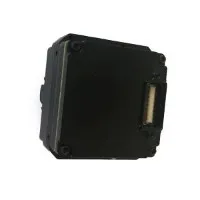

Hey there! As a supplier of Cooled Camera Modules, I often get asked about the cooling system reliability of these nifty gadgets. So, let's dive right in and chat about what makes the cooling system in cooled camera modules so crucial and how reliable it really is.
First off, what are Cooled Camera Modules? Well, these are high - tech devices used in a bunch of different fields, like military surveillance, scientific research, and industrial inspection. They're designed to detect infrared radiation and convert it into visible images. But here's the catch: to work effectively, the sensors in these cameras need to be kept at extremely low temperatures. That's where the cooling system comes in.
The cooling system in a Cooled Camera Module is like the heart of the whole operation. It's responsible for maintaining the optimal temperature of the sensor, which in turn ensures high - quality image capture. There are a few different types of cooling systems used in these modules, and each has its own pros and cons.
One of the most common types is the Stirling cooler. Stirling coolers work on the principle of a thermodynamic cycle. They use a piston and a displacer to transfer heat away from the sensor. These coolers are known for their relatively high cooling capacity and efficiency. However, they do have some moving parts, which means there's a risk of mechanical wear and tear over time. This can potentially affect the reliability of the cooling system.
Another type is the thermoelectric cooler (TEC). TECs are solid - state devices that use the Peltier effect to create a temperature difference. They're smaller, lighter, and have no moving parts, which makes them more reliable in terms of mechanical failure. But they usually have a lower cooling capacity compared to Stirling coolers, so they might not be suitable for applications that require extremely low temperatures.
So, how do we measure the reliability of these cooling systems? Well, one of the key metrics is Mean Time Between Failures (MTBF). This is the average amount of time that a cooling system can operate without experiencing a failure. A higher MTBF means a more reliable system. For Stirling coolers, the MTBF can range from a few thousand to tens of thousands of hours, depending on the quality of the components and the operating conditions. TECs generally have a longer MTBF because of their solid - state design.
But MTBF is just one aspect. We also need to consider the operating environment. Cooled camera modules can be used in some pretty harsh conditions, like extreme temperatures, high humidity, and dusty or dirty environments. These factors can all have an impact on the reliability of the cooling system. For example, in a hot and humid environment, the cooling system has to work harder to maintain the desired temperature, which can increase the stress on the components and potentially shorten the lifespan of the cooler.
As a supplier, we take a number of steps to ensure the reliability of our cooling systems. First of all, we use high - quality components in the manufacturing process. We source our parts from trusted suppliers and conduct rigorous quality control checks at every stage of production. This helps to minimize the risk of early failures.
We also perform extensive testing on our Cooled Camera Modules. Before they leave the factory, each module goes through a series of tests, including temperature cycling tests, vibration tests, and shock tests. These tests simulate real - world operating conditions and help us identify any potential issues with the cooling system.
In addition, we offer regular maintenance and support services. This includes things like cleaning the cooler, checking the components for wear and tear, and replacing any parts that are starting to show signs of failure. By providing these services, we can help our customers extend the lifespan of their cooling systems and ensure that their Cooled Camera Modules continue to perform at their best.


Now, let's talk about the importance of reliable cooling systems in different applications. In military surveillance, for example, a reliable cooling system is absolutely critical. These cameras are often used in combat situations where any failure could have serious consequences. A malfunctioning cooling system could lead to poor image quality, which could make it difficult for soldiers to detect and identify targets.
In scientific research, reliable cooling systems are also essential. Many scientific experiments require precise temperature control to obtain accurate results. If the cooling system in a cooled camera module fails, it could disrupt the experiment and lead to inaccurate data.
In industrial inspection, a reliable cooling system ensures that the cameras can operate continuously without interruption. This is important for detecting defects in products or monitoring industrial processes. A breakdown in the cooling system could result in production delays and increased costs.
If you're in the market for Cooled Camera Modules, Cooled Camera Modules are a great option. We also offer Cooled Infrared Camera Core and Cooled IR Camera which are known for their high - quality and reliable cooling systems.
If you're interested in learning more about our products or have any questions about the cooling system reliability of our Cooled Camera Modules, don't hesitate to reach out. We're always happy to have a chat and help you find the right solution for your needs. Whether you're a military contractor, a scientist, or an industrial engineer, we've got the expertise and the products to meet your requirements. So, let's start a conversation and see how we can work together to get you the best - performing Cooled Camera Modules on the market.
References
- "Infrared Detectors and Systems" by Paul R. Norton
- "Thermoelectric Cooling" by David M. Rowe
- Industry reports on cooled camera module technology