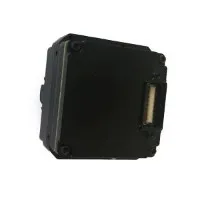

Hey there! As a supplier of uncooled camera cores, I often get asked about the anti-vibration performance of these nifty little devices. So, I thought I'd take a few minutes to break it down for you.
First off, let's talk about what uncooled camera cores are. These are the heart of Infrared Thermal Camera and OEM Thermal Camera Modules. Unlike cooled camera cores, which require cryogenic cooling to operate, uncooled camera cores can function at room temperature. This makes them more cost - effective, lightweight, and easier to maintain.

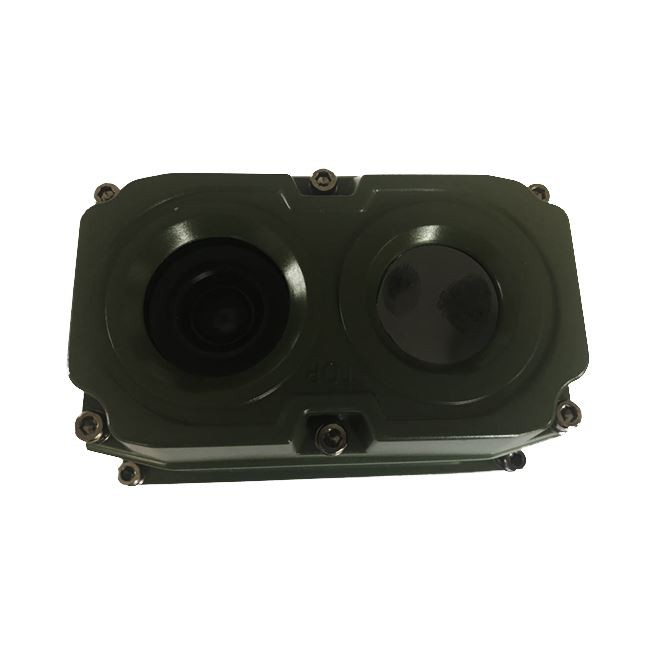
Now, onto the main topic: anti - vibration performance. Why is it so important? Well, in a lot of real - world applications, cameras are exposed to vibrations. Think about drones flying through turbulent air, vehicles driving on bumpy roads, or industrial equipment that vibrates during operation. These vibrations can cause a whole bunch of problems for camera cores.
One of the most obvious issues is image blur. When the camera core vibrates, the focal plane array (FPA) inside it moves. This movement can cause the infrared radiation to be detected at the wrong positions on the FPA, resulting in a blurry image. And let's face it, a blurry image is pretty much useless in most cases, whether you're using the camera for surveillance, thermography, or any other purpose.
Another problem is noise. Vibrations can introduce electrical noise into the camera's signal processing system. This noise can manifest as random dots or streaks in the image, reducing the overall image quality and making it harder to analyze the thermal data.
So, how do our uncooled camera cores stack up in terms of anti - vibration performance? We've put a lot of effort into designing and engineering these cores to be as vibration - resistant as possible.
First, we use high - quality materials in the construction of the FPA. The FPA is the most critical component of the camera core, and using materials with good mechanical stability helps to minimize the movement caused by vibrations. For example, we've selected materials with low coefficients of thermal expansion. This means that even if the temperature changes due to vibrations (which can happen because of the friction and mechanical stress), the FPA won't expand or contract too much, reducing the chances of misalignment.
Second, we've implemented advanced signal processing algorithms. These algorithms are designed to detect and correct for the effects of vibrations in real - time. When the camera senses vibrations, the algorithms can adjust the image data to compensate for the movement of the FPA. This helps to keep the image sharp and clear, even in the presence of vibrations.
We also use a special mounting system for the FPA. This mounting system is designed to isolate the FPA from external vibrations. It acts like a shock absorber, reducing the amount of vibration that reaches the FPA. The mounting system is carefully calibrated to match the natural frequency of the FPA, so it can effectively dampen the vibrations across a wide range of frequencies.
In addition to these design features, we subject our camera cores to rigorous vibration testing. We simulate different types of vibrations, including sinusoidal vibrations, random vibrations, and shock vibrations, to ensure that the cores can withstand real - world conditions. Only after passing these tests do the camera cores make it to the market.
Let's take a look at some real - world examples of how our uncooled camera cores perform in high - vibration environments. In the drone industry, our camera cores have been used in many professional drones. Drones are constantly exposed to vibrations from the motors and the airflow. But with our camera cores, drone operators can still get clear and detailed thermal images, even when the drone is flying at high speeds or in turbulent weather conditions.
In the automotive industry, our camera cores are used in vehicles for driver assistance systems. These systems rely on accurate thermal imaging to detect pedestrians, animals, and other obstacles on the road. The vibrations from the engine and the movement of the vehicle can be quite significant, but our camera cores are able to produce reliable images, helping to improve road safety.
In industrial applications, our camera cores are used to monitor the temperature of machinery. Industrial equipment often vibrates during operation, and our camera cores can provide clear thermal images of the equipment, allowing engineers to detect potential problems before they become serious.
When it comes to comparing our anti - vibration performance with other products on the market, we're confident that we're at the top of the game. We've done side - by - side tests with competing products, and in most cases, our camera cores have produced much clearer and more stable images in high - vibration environments.
Now, if you're in the market for Thermal Camera Module or uncooled camera cores, and you need a product with excellent anti - vibration performance, we'd love to hear from you. Whether you're a large corporation looking to integrate our camera cores into your products, or a small - scale researcher working on a special project, we have the solutions to meet your needs.
Our team of experts is always ready to assist you. We can help you choose the right camera core for your specific application, and we can also provide technical support and customization services. If you have any questions about our products, or if you'd like to discuss a potential purchase, don't hesitate to get in touch.
In conclusion, anti - vibration performance is a crucial factor when it comes to the quality and usability of uncooled camera cores. Our company has made it a top priority to ensure that our camera cores can withstand vibrations and provide high - quality images in real - world applications. So, if you're looking for a reliable and vibration - resistant uncooled camera core, we're the supplier for you.
References
- Smith, J. (2018). Advances in Uncooled Infrared Detector Technology. Journal of Infrared Science and Technology.
- Johnson, M. (2019). Thermal Imaging in High - Vibration Environments. Industrial Imaging Magazine.