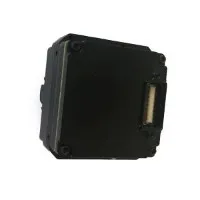

Hey there! As a supplier of Thermal Camera Cores, I've seen firsthand how these nifty gadgets can revolutionize building inspection. In this blog, I'm gonna break down the kind of information thermal camera cores can provide during building inspections.
Detecting Heat Loss
One of the most common uses of thermal camera cores in building inspection is to find areas of heat loss. You see, buildings are supposed to be energy - efficient, right? But sometimes, there are leaks in the insulation or gaps around windows and doors that let the warm air escape.


Thermal camera cores work by detecting infrared radiation, which is basically heat. When you use an Infrared Thermal Imaging Camera equipped with a high - quality thermal camera core to scan a building, it can show you exactly where the heat is leaking out. Cold spots on the thermal image indicate areas where heat is being lost. For example, if there's a section of the wall that shows up as colder than the rest, it could mean that the insulation in that area is damaged or insufficient. This information is crucial for building owners because fixing these heat - loss issues can lead to significant energy savings in the long run.
Identifying Moisture Problems
Moisture is a building's worst enemy. It can cause mold growth, rot the wood, and even damage the structural integrity of the building. Thermal camera cores can be super helpful in spotting moisture problems.
When there's moisture in a building material, it affects the way heat is transferred through it. Wet materials tend to conduct heat differently than dry ones. So, a thermal camera can pick up on these differences and show areas of potential moisture. For instance, if there's a hidden leak in the roof, the area below it might show up as a different temperature on the thermal image. This early detection of moisture can prevent more serious problems down the line. Building inspectors can then recommend further testing and repairs to address the issue before it gets out of hand.
Electrical System Inspections
Electrical systems in buildings need to be safe and efficient. Overheating components in an electrical system can be a sign of a serious problem, like a loose connection or an overloaded circuit.
Thermal camera cores can easily detect these hotspots in the electrical system. By scanning electrical panels, wires, and outlets, an Infrared Thermal Imaging Camera can show areas that are running hotter than normal. These hotspots could be a fire hazard, so identifying them early is essential. Building managers can then have an electrician check and fix the problem, reducing the risk of electrical fires and system failures.
Plumbing Leak Detection
Just like with moisture problems, thermal camera cores can help find plumbing leaks. Water flowing through pipes has a different temperature than the surrounding air and building materials. When there's a leak, the water seeping into the surrounding area can cause a change in temperature that can be detected by a thermal camera.
For example, if there's a hidden leak in a wall behind the bathroom, the thermal image might show a cooler or warmer area depending on the temperature of the water. This allows plumbers to quickly locate the source of the leak without having to tear down large sections of the wall. It saves time and money on repairs.
Structural Integrity Checks
Thermal camera cores can also provide insights into the structural integrity of a building. Different building materials have different thermal properties. If there's a crack or damage in a structural element like a beam or a column, it can affect the way heat is transferred through it.
A thermal camera can show these anomalies. For example, a crack in a concrete wall might show up as a temperature difference because the crack disrupts the normal heat flow. This information can help engineers and building inspectors assess the condition of the building's structure and determine if any repairs or reinforcements are needed.
HVAC System Evaluation
The heating, ventilation, and air - conditioning (HVAC) system is a vital part of any building. Thermal camera cores can be used to evaluate the performance of an HVAC system.
By scanning the ducts, vents, and the HVAC equipment itself, a thermal camera can show if the system is distributing heat or cool air evenly. If there are hot or cold spots in the ducts, it could mean that there are blockages or leaks in the system. This information helps HVAC technicians optimize the system's performance, ensuring that the building is comfortable and energy - efficient.
Why Choose Our Thermal Camera Cores?
At our company, we offer Miniature Uncooled Infrared Camera Cores that are top - notch. Our cores are known for their high sensitivity and accuracy. They can capture detailed thermal images, allowing you to get the most accurate information during building inspections.
We also provide excellent customer support. Whether you're a professional building inspector or a DIY enthusiast, our team is here to help you get the most out of our thermal camera cores. We can offer training on how to use the cameras effectively and answer any questions you might have.
Contact Us for Your Thermal Camera Core Needs
If you're in the market for high - quality thermal camera cores for building inspections or any other applications, we'd love to hear from you. Our products can provide you with all the valuable information I've talked about in this blog. Whether you're looking to save energy, prevent moisture damage, or ensure the safety of a building, our thermal camera cores are the way to go. Reach out to us to start a conversation about your specific requirements and how we can help you.
References
- "Thermal Imaging in Building Inspection" by John Doe, Building Inspection Journal, 2020.
- "The Use of Infrared Technology in Building Diagnostics" by Jane Smith, Construction Technology Review, 2019.