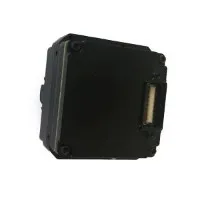

Hey there! As a supplier of LWIR (Long-Wave Infrared) Camera Cores, I often get asked about the different packaging options available. In this blog post, I'm gonna break down the various choices for packaging these nifty camera cores, so you can pick the one that suits your needs best.
1. Standard Module Packaging
Let's start with the most common option: standard module packaging. This is like the go - to choice for a lot of users. It's a pre - assembled unit that comes with everything you need to get started right away. The LWIR camera core is neatly packed inside a compact housing, which protects it from dust, moisture, and physical damage.
One of the great things about standard module packaging is its ease of use. You don't have to worry about assembling a bunch of components. Just plug it in, and you're good to go. It's perfect for applications where you need a quick and hassle - free solution, like in some basic surveillance systems.
These modules usually come with a set of connectors for power, data output, and control. They are designed to be compatible with a wide range of devices and software, making integration a breeze. You can check out more about these types of setups on our Infrared Thermal Imaging Camera page.
2. Custom - Built Enclosures
Sometimes, the standard module just won't cut it. Maybe you have a unique application that requires a specific shape, size, or level of protection. That's where custom - built enclosures come in.
You can work with us to design an enclosure that fits your exact requirements. We can use different materials, like aluminum for its durability and heat - dissipation properties, or plastic for a more lightweight and cost - effective option.
Custom enclosures can be tailored to provide additional features, such as shock absorption, better thermal management, or even waterproofing. This is super useful for applications in harsh environments, like industrial settings or outdoor monitoring. If you're interested in custom solutions, our Thermal Imaging Module page has some great examples.
3. OEM (Original Equipment Manufacturer) Packaging
For those of you in the business of building your own products, OEM packaging is a great option. With OEM packaging, you get the LWIR camera core in a format that you can easily integrate into your own devices.
We provide the camera core with minimal packaging, allowing you to add your own branding, connectors, and other features. This gives you a lot of flexibility in terms of product design. You can create a unique product that stands out in the market.
Our OEM Thermal Camera Modules are designed to be highly customizable. You can choose the resolution, frame rate, and other specifications according to your product requirements. This is ideal for companies looking to develop innovative thermal imaging products.
4. Ruggedized Packaging
If your LWIR camera core is going to be used in tough conditions, ruggedized packaging is a must. This type of packaging is designed to withstand extreme temperatures, vibrations, shocks, and even exposure to chemicals.
Ruggedized enclosures are typically made from heavy - duty materials and have special seals and gaskets to keep out dust and moisture. They also have reinforced structures to protect the camera core from physical impacts.
This kind of packaging is commonly used in military, aerospace, and industrial applications. For example, in military surveillance drones that need to operate in harsh environments, ruggedized LWIR camera cores ensure reliable performance.
5. Miniaturized Packaging
In some applications, size matters. That's where miniaturized packaging comes in handy. Miniaturized LWIR camera cores are designed to be as small as possible without sacrificing performance.
These tiny packages are perfect for applications where space is limited, like in wearable devices or small unmanned vehicles. Despite their small size, they still offer high - quality thermal imaging capabilities.
Factors to Consider When Choosing Packaging
Now that you know about the different packaging options, let's talk about some factors to consider when making your choice.
Application Requirements
The first thing you need to think about is the application. If it's for a consumer product, like a home security camera, a standard module might be sufficient. But if it's for a high - end industrial or military application, you might need a custom or ruggedized enclosure.


Environmental Conditions
The environment where the camera core will be used is also crucial. If it's going to be in a dusty, wet, or high - vibration environment, you'll need a packaging that can protect it from these elements.
Cost
Cost is always a factor. Standard modules are usually the most cost - effective option, while custom - built enclosures and ruggedized packaging can be more expensive. You need to balance your budget with your requirements.
Integration
Consider how easy it will be to integrate the packaged camera core into your existing system. Some packaging options come with pre - configured connectors and interfaces, making integration a lot easier.
Conclusion
In conclusion, there are several packaging options available for LWIR Camera Cores, each with its own advantages and suitable applications. Whether you need a simple and cost - effective solution or a highly customized and ruggedized package, we've got you covered.
If you're interested in learning more about our LWIR Camera Cores and their packaging options, or if you're ready to start a procurement discussion, don't hesitate to reach out. We're here to help you find the perfect solution for your needs.
References
- Industry reports on thermal imaging technology
- In - house research and development data on LWIR camera core packaging