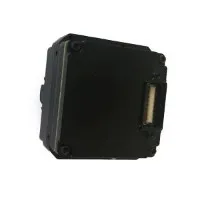

As a supplier of Cooled IR Cameras, I have witnessed firsthand the remarkable capabilities of these advanced imaging devices. Cooled IR cameras are renowned for their high sensitivity, excellent image quality, and ability to detect infrared radiation with precision. However, like any technology, they come with their own set of limitations. Understanding these limitations is crucial for potential buyers to make informed decisions and set realistic expectations. In this blog post, I will delve into the various limitations of Cooled IR Cameras, providing insights based on my experience in the industry.
High Cost
One of the most significant limitations of Cooled IR Cameras is their high cost. The cooling mechanism, which is essential for achieving high sensitivity, is a major contributor to the overall price. Cooling systems, such as Stirling coolers or cryogenic coolers, are complex and expensive to manufacture. Additionally, the materials used in the detector arrays of Cooled IR Cameras are often rare and costly. These factors combine to make Cooled IR Cameras significantly more expensive than their uncooled counterparts.
For example, a high - end uncooled IR camera might cost a few thousand dollars, while a Cooled IR Camera can cost tens of thousands of dollars or even more. This high cost can be a major barrier for many potential users, especially those in budget - constrained industries or for applications where cost - effectiveness is a primary concern.


Size and Weight
Cooled IR Cameras are generally larger and heavier than uncooled cameras. The cooling system requires additional space and adds significant weight to the camera. This can be a problem in applications where portability is important, such as in handheld devices or unmanned aerial vehicles (UAVs).
In the case of UAVs, every extra gram of weight can reduce flight time and maneuverability. A large and heavy Cooled IR Camera may not be suitable for small UAVs, limiting their use in applications such as aerial surveillance, wildlife monitoring, and environmental mapping. Similarly, for handheld devices used in field operations, a bulky and heavy camera can be cumbersome for the user, reducing usability and efficiency.
Power Consumption
The cooling system in Cooled IR Cameras consumes a significant amount of power. This high power consumption can be a challenge, especially in applications where power sources are limited or where long - term operation is required.
For example, in remote monitoring applications where the camera needs to operate continuously for extended periods, the high power consumption of a Cooled IR Camera may require frequent battery changes or the use of large and expensive power supply systems. In some cases, it may even be necessary to run a generator to power the camera, which adds to the cost and complexity of the installation.
Warm - up Time
Cooled IR Cameras typically have a longer warm - up time compared to uncooled cameras. The cooling system needs to reach its operating temperature before the camera can provide accurate and stable images. This warm - up time can range from a few minutes to several minutes, depending on the type of cooling system and the camera design.
In applications where immediate imaging is required, such as in emergency response or security monitoring, the long warm - up time of a Cooled IR Camera can be a significant drawback. Operators may have to wait for the camera to warm up before they can start using it, which can delay critical operations.
Maintenance Requirements
Cooled IR Cameras have more complex maintenance requirements compared to uncooled cameras. The cooling system is a critical component that requires regular maintenance to ensure proper operation. This may include tasks such as cleaning the cooler, checking for leaks, and replacing worn - out parts.
In addition, the detector arrays in Cooled IR Cameras are also sensitive and may require calibration and maintenance over time. Any malfunction in the cooling system or the detector can lead to degraded image quality or even complete camera failure. This means that users need to have access to trained technicians and spare parts, which can add to the overall cost of ownership.
Limited Lifespan of the Cooling System
The cooling system in Cooled IR Cameras has a limited lifespan. The moving parts in Stirling coolers, for example, can wear out over time, leading to reduced cooling efficiency and eventually failure. The lifespan of a cooling system can range from a few thousand hours to tens of thousands of hours, depending on the quality of the cooler and the operating conditions.
Once the cooling system fails, it can be expensive to replace. In some cases, it may even be more cost - effective to purchase a new camera rather than replace the cooling system. This limited lifespan of the cooling system is an important consideration for potential buyers, as it affects the long - term cost and reliability of the camera.
Environmental Sensitivity
Cooled IR Cameras are more sensitive to environmental conditions compared to uncooled cameras. Extreme temperatures, high humidity, and vibration can all affect the performance of the cooling system and the detector array.
For example, in very hot or cold environments, the cooling system may have to work harder to maintain the operating temperature, which can reduce its lifespan and increase power consumption. High humidity can cause condensation inside the camera, which can damage the electronic components. Vibration can also cause mechanical stress on the cooling system and the detector, leading to misalignment and degraded image quality.
Despite these limitations, Cooled IR Cameras still offer significant advantages in many applications. Their high sensitivity and excellent image quality make them ideal for applications such as military surveillance, scientific research, and industrial inspection. At [Supplier Name], we offer a range of Cooled Camera Modules, Cooled Thermal Cores, and Cooled Ir Camera Core that are designed to meet the specific needs of our customers.
If you are considering purchasing a Cooled IR Camera, we encourage you to contact us to discuss your requirements. Our team of experts can help you understand the limitations and benefits of our products and guide you in making the right decision for your application. Whether you are in the military, scientific, or industrial sector, we are committed to providing you with the best - in - class Cooled IR Camera solutions.
References
- "Infrared Imaging Systems: Design, Analysis, Modeling, and Testing" by Daniel C. Crispell
- "Thermal Imaging: Principles, Algorithms, and Applications" by A. P. Dhande and A. K. Pradhan