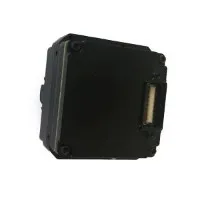

Hey there! As a supplier of Cooled Thermal Cores, I'm super stoked to dive into the awesome applications of these bad - boys in the aerospace industry.
Let's start with the basics. Cooled thermal cores are a big deal because they offer high - performance thermal imaging capabilities. They work by cooling the detector to very low temperatures, which significantly reduces thermal noise and boosts the sensitivity and resolution of the imaging system. This makes them a top choice for many aerospace applications.
Surveillance and Reconnaissance
One of the most prominent uses of cooled thermal cores in aerospace is for surveillance and reconnaissance. Military and civilian aircraft, as well as drones, often rely on these cores to gather intelligence and monitor large areas. For example, a military plane equipped with a Cooled Infrared Camera Core can detect heat signatures from enemy vehicles, troops, or hidden installations even in low - light or adverse weather conditions.
The high resolution and sensitivity of cooled thermal cores allow for detailed analysis of the targets. They can pick up on subtle differences in temperature, which can reveal important information such as whether a vehicle has been recently used or if there are underground structures. This is crucial for strategic planning and ensuring national security.
In the civilian realm, drones with cooled thermal cores are used for border surveillance, wildlife monitoring, and disaster response. During a natural disaster like a wildfire, these drones can quickly map the extent of the fire by detecting the heat sources, helping firefighters to allocate resources more effectively.
Navigation and Flight Safety
Cooled thermal cores also play a vital role in navigation and flight safety. In poor visibility conditions such as fog, heavy rain, or at night, traditional optical sensors may not provide sufficient information. That's where thermal imaging comes in. An aircraft equipped with a Cooled Ir Camera Core can see the heat signatures of other aircraft, runways, and terrain features.
Pilots can use this information to avoid collisions, especially during takeoff and landing. For example, in a busy airport with multiple aircraft in the vicinity, thermal imaging can help pilots spot other planes that might be difficult to see with the naked eye. Additionally, it can assist in detecting runway incursions, where unauthorized vehicles or pedestrians are on the runway, preventing potential accidents.
In remote areas or during long - haul flights, thermal imaging can also help pilots identify landmarks and terrain features. Mountains, bodies of water, and even human settlements emit heat signatures that can be detected by cooled thermal cores, providing valuable visual cues for navigation.
Engine Monitoring and Maintenance
Aerospace engines are complex and high - performance machines. Monitoring their health is essential to prevent failures and ensure safe operation. Cooled thermal cores are used to monitor the temperature distribution of engine components. By detecting abnormal heat patterns, maintenance crews can identify potential problems early on.
For instance, if a particular part of the engine is running hotter than normal, it could indicate a malfunction such as a blocked coolant passage or a worn - out bearing. Using a Cooled Camera Modules, engineers can perform regular inspections of the engine during maintenance intervals or even during flight in some cases. This proactive approach to maintenance can save a lot of time and money by preventing major engine failures and reducing downtime.
Space Exploration
Cooled thermal cores are also making their mark in space exploration. Satellites and space probes are equipped with these cores to study celestial bodies. For example, they can be used to map the temperature distribution on planets, moons, and asteroids. This information can provide insights into the geology, atmosphere, and internal structure of these objects.
In addition, thermal imaging can help in detecting potential landing sites on other planets. By analyzing the heat signatures, scientists can identify areas that are more likely to be stable and safe for a spacecraft to land. The high - sensitivity cooled thermal cores can also detect volcanic activity or other thermal events on celestial bodies, which can contribute to our understanding of the universe.
Communication and Data Transmission
In aerospace, reliable communication and data transmission are crucial. Cooled thermal cores can be used to monitor the temperature of communication equipment on board aircraft and satellites. Overheating of these components can lead to signal interference or even complete failure.
By using thermal imaging, engineers can ensure that the communication systems are operating within the optimal temperature range. This helps in maintaining clear and uninterrupted communication between the aircraft or satellite and the ground control stations. It also reduces the risk of data loss during critical missions.
Why Choose Our Cooled Thermal Cores
As a supplier of Cooled Thermal Cores, we take pride in offering high - quality products. Our cores are designed with the latest technology to provide the best performance in the aerospace industry. We understand the unique requirements of aerospace applications, such as high reliability, low power consumption, and the ability to withstand harsh environments.
Our cores are rigorously tested to ensure they meet the strictest standards. Whether it's for military surveillance, flight safety, or space exploration, our cooled thermal cores can deliver accurate and reliable results. We also offer excellent customer support, working closely with our clients to understand their specific needs and provide customized solutions.


Let's Talk!
If you're in the aerospace industry and are looking for top - notch Cooled Thermal Cores, we'd love to hear from you. Whether you're involved in research and development, manufacturing, or maintenance, our products can be a great addition to your projects. Contact us to start a conversation about how our cooled thermal cores can meet your requirements and take your aerospace applications to the next level. We're ready to help you soar to new heights!
References
- "Thermal Imaging in Aerospace: Current Applications and Future Trends" - Journal of Aerospace Technology
- "Aerospace Engineering Handbook" - McGraw - Hill
- "Space Exploration: The Role of Thermal Imaging" - NASA Publications