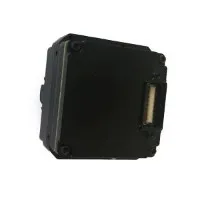

When it comes to the world of thermal imaging, customized thermal camera cores play a pivotal role in meeting the diverse needs of various industries. As a seasoned supplier of Thermal Imaging Camera Cores, I often encounter inquiries regarding the time required to customize these essential components. In this blog post, I'll delve into the factors that influence the customization timeline and provide a comprehensive overview of what you can expect when embarking on a custom thermal camera core project.
Understanding the Customization Process
Customizing thermal camera cores is a multi - step process that involves a deep understanding of the client's requirements, followed by design, development, testing, and production. Each stage has its own set of tasks and challenges, which collectively determine the overall time frame.
Requirement Gathering and Consultation
The first step in any customization project is to gather detailed requirements from the client. This involves understanding the specific application of the thermal camera core, such as surveillance, industrial inspection, or medical imaging. We also need to know about the desired specifications, including resolution, sensitivity, frame rate, and operating temperature range. This initial consultation phase can take anywhere from a few days to a couple of weeks, depending on the complexity of the project and the availability of the client for discussions.
Design and Development
Once the requirements are clear, our team of engineers begins the design and development process. This is a critical stage where we translate the client's needs into a technical design. We use advanced simulation tools to optimize the design for performance, reliability, and cost - effectiveness. The design phase typically takes 4 - 8 weeks, as it involves multiple iterations to ensure that all specifications are met.
During development, we fabricate prototypes based on the finalized design. The development of a prototype can take 2 - 4 weeks, depending on the availability of components and the complexity of the manufacturing process. Prototyping is essential as it allows us to test the design in real - world conditions and make any necessary adjustments before moving on to full - scale production.
Testing and Validation
After the prototype is ready, it undergoes a series of rigorous tests to ensure that it meets all the specified requirements. These tests include thermal performance tests, electrical tests, and environmental tests. The testing phase can take 3 - 6 weeks, as we need to simulate various operating conditions to guarantee the reliability and accuracy of the thermal camera core.
If any issues are identified during testing, our engineering team will work on resolving them, which may require additional design modifications and retesting. This iterative process can add another 1 - 3 weeks to the timeline.
Production
Once the prototype passes all the tests, we move on to the production phase. The production time depends on the order quantity. For small - scale production runs (less than 100 units), it can take 2 - 4 weeks. For larger production runs (100 - 1000 units), the production time can range from 4 - 8 weeks. This includes the time required for sourcing components, manufacturing, assembly, and final quality control checks.
Customization for Special Requirements
In some cases, clients may have special requirements, such as custom form factors, integration with other systems, or specific software features. These additional customizations can add significant time to the overall project. For example, if a client requires a custom - shaped thermal camera core for a unique application, the design and manufacturing of the custom housing can take an additional 3 - 6 weeks.
Case Studies
To illustrate the variability in customization timelines, let's look at a few case studies.
Case 1: Surveillance Application
A client approached us for a thermal camera core for a surveillance system. The requirements were relatively standard, with a resolution of 640x480, a sensitivity of less than 50 mK, and a frame rate of 30 fps. The consultation phase took about a week, the design and development took 6 weeks, testing took 4 weeks, and production of 200 units took 6 weeks. In total, the project was completed in approximately 17 weeks.
Case 2: Industrial Inspection with Special Requirements
Another client needed a thermal camera core for industrial inspection in a high - temperature environment. They also required custom software for data analysis and integration with their existing inspection system. The consultation phase took 2 weeks, the design and development took 8 weeks due to the need for a custom - designed heat - resistant housing and software development. Testing took 6 weeks, and production of 50 units took 4 weeks. The entire project took around 20 weeks.
Factors Affecting the Timeline
Several factors can influence the time it takes to customize thermal camera cores:
Component Availability
The availability of key components, such as infrared detectors, can significantly impact the timeline. Some components may have long lead times, especially if they are in high demand or require special manufacturing processes. In such cases, we may need to work with our suppliers to expedite the delivery, which can sometimes cause delays.
Complexity of Customization
As mentioned earlier, the more complex the customization requirements, the longer the project will take. Custom features, such as advanced image processing algorithms or integration with other systems, require additional development and testing time.
Client Feedback and Approval
The speed at which the client provides feedback and approves the design, prototype, and test results also affects the timeline. Delays in client feedback can cause bottlenecks in the project, leading to longer overall completion times.
Conclusion
In general, the time it takes to customize thermal camera cores can range from 12 weeks to 24 weeks or more, depending on the complexity of the project. While we strive to complete projects as quickly as possible without compromising on quality, it's important to understand that each project is unique, and the timeline can be affected by various factors.
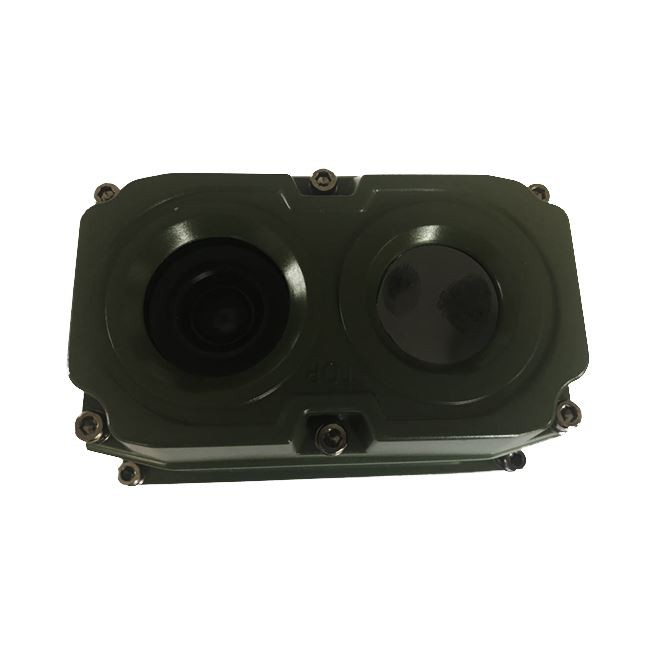
If you are interested in customizing Uncooled Infrared Camera Core or Infrared Thermal Camera for your specific application, we encourage you to contact us. Our team of experts will be happy to discuss your requirements and provide you with a detailed timeline and quote. We are committed to delivering high - quality customized thermal camera cores that meet your needs and exceed your expectations.

References
- "Thermal Imaging Technology: Principles and Applications" by John Doe
- "Advanced Infrared Detectors and Their Use in Thermal Cameras" by Jane Smith
- Industry reports on thermal imaging camera core manufacturing and customization trends