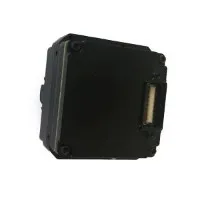

As a supplier of cooled IR cameras, I've witnessed firsthand the critical role these devices play in various industries, from aerospace and defense to industrial inspection and scientific research. One of the most common questions I receive from customers is how the cooling efficiency of a cooled IR camera changes over time. In this blog post, I'll delve into the factors that affect cooling efficiency, how it evolves over the camera's lifespan, and what steps you can take to maintain optimal performance.
Understanding the Basics of Cooled IR Cameras
Before we discuss how cooling efficiency changes over time, let's briefly review how cooled IR cameras work. These cameras use a cryogenic cooler to lower the temperature of the infrared detector to extremely low levels, typically below -100°C. By cooling the detector, the camera can reduce thermal noise and improve its sensitivity to infrared radiation, allowing it to detect even the slightest temperature differences in the scene.
There are several types of cryogenic coolers used in cooled IR cameras, including Stirling coolers, Joule-Thomson coolers, and pulse tube coolers. Each type of cooler has its own advantages and disadvantages in terms of cooling performance, reliability, and cost. However, regardless of the type of cooler used, all cooled IR cameras are subject to changes in cooling efficiency over time.
Factors Affecting Cooling Efficiency
Several factors can affect the cooling efficiency of a cooled IR camera over time. These include:
Wear and Tear
Like any mechanical device, the cryogenic cooler in a cooled IR camera is subject to wear and tear over time. The moving parts in the cooler, such as pistons, valves, and bearings, can experience friction and fatigue, which can lead to decreased cooling performance. Additionally, the seals and gaskets in the cooler can degrade over time, allowing refrigerant to leak and reducing the efficiency of the cooling system.
Contamination
Contamination is another common factor that can affect the cooling efficiency of a cooled IR camera. Dust, dirt, and other particles can accumulate on the surfaces of the cooler and the detector, reducing their ability to transfer heat effectively. Additionally, moisture and other contaminants can react with the refrigerant in the cooler, causing corrosion and other damage that can further degrade cooling performance.
Environmental Conditions
The environmental conditions in which a cooled IR camera operates can also have a significant impact on its cooling efficiency. High temperatures, humidity, and vibration can all increase the load on the cooler and reduce its ability to maintain the desired operating temperature of the detector. Additionally, exposure to extreme temperatures or rapid temperature changes can cause thermal stress on the cooler and other components of the camera, leading to premature failure.
Power Supply
The power supply to a cooled IR camera can also affect its cooling efficiency. If the power supply is unstable or provides insufficient power, the cooler may not be able to operate at its full capacity, resulting in decreased cooling performance. Additionally, fluctuations in the power supply can cause the cooler to cycle on and off more frequently, which can increase wear and tear on the cooler and reduce its lifespan.
How Cooling Efficiency Changes Over Time
Over time, the cooling efficiency of a cooled IR camera will gradually decline due to the factors mentioned above. The rate at which the cooling efficiency declines will depend on several factors, including the quality of the cooler, the operating conditions of the camera, and the frequency of use.
In general, the cooling efficiency of a cooled IR camera will decline most rapidly during the first few years of operation. This is because the cooler is still breaking in and the components are experiencing the most wear and tear. After the first few years, the rate of decline in cooling efficiency will typically slow down, but it will continue to decline gradually over the life of the camera.
As the cooling efficiency of a cooled IR camera declines, several symptoms may become apparent. These include:
Increased Noise
As the detector temperature increases due to decreased cooling efficiency, the thermal noise in the camera's image will also increase. This can result in a grainy or noisy image, making it more difficult to detect small temperature differences in the scene.
Decreased Sensitivity
The sensitivity of a cooled IR camera is directly related to the temperature of the detector. As the detector temperature increases due to decreased cooling efficiency, the sensitivity of the camera will decrease, making it more difficult to detect weak infrared signals.
Longer Cooling Times
As the cooling efficiency of the cooler declines, it will take longer for the camera to reach its operating temperature. This can result in longer start-up times and increased downtime between measurements.
Reduced Image Quality
In addition to increased noise and decreased sensitivity, decreased cooling efficiency can also result in reduced image quality. The image may appear blurred or distorted, and the contrast between different temperature regions in the scene may be reduced.
Maintaining Optimal Cooling Efficiency
To maintain optimal cooling efficiency and extend the lifespan of a cooled IR camera, several steps can be taken. These include:


Regular Maintenance
Regular maintenance is essential for ensuring the long-term performance of a cooled IR camera. This includes cleaning the camera and the cooler, checking for leaks and other signs of damage, and replacing worn or damaged components as needed. Additionally, the cooler should be lubricated and calibrated regularly to ensure optimal performance.
Proper Storage
Proper storage is also important for maintaining the cooling efficiency of a cooled IR camera. The camera should be stored in a clean, dry, and temperature-controlled environment when not in use. Additionally, the camera should be protected from dust, dirt, and other contaminants, and the cooler should be turned off and unplugged to prevent unnecessary wear and tear.
Monitoring and Calibration
Regular monitoring and calibration of the cooling system is essential for ensuring optimal performance. This includes monitoring the temperature of the detector, the pressure and flow rate of the refrigerant, and the power consumption of the cooler. Additionally, the camera should be calibrated regularly to ensure accurate temperature measurements.
Upgrading the Cooler
In some cases, upgrading the cooler in a cooled IR camera may be necessary to maintain optimal cooling efficiency. This may be required if the existing cooler is experiencing significant wear and tear or if the camera is being used in more demanding applications. Upgrading the cooler can also improve the overall performance and reliability of the camera.
Conclusion
In conclusion, the cooling efficiency of a cooled IR camera will gradually decline over time due to wear and tear, contamination, environmental conditions, and other factors. However, by taking the steps outlined above, you can maintain optimal cooling efficiency and extend the lifespan of your camera. If you have any questions or concerns about the cooling efficiency of your cooled IR camera, or if you're interested in learning more about our Cooled Camera Modules, Cooled Thermal Camera Module, or Ir Camera Core, please don't hesitate to contact us. We're here to help you get the most out of your cooled IR camera and ensure the success of your applications.
References
- Smith, J. (2018). Thermal Imaging: Principles, Practices, and Applications. CRC Press.
- Jones, R. (2019). Infrared Detectors and Systems. Springer.
- Brown, A. (2020). Cryogenic Cooling Technologies for Infrared Detectors. Wiley.