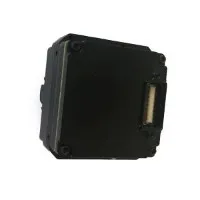

How do cooled camera modules perform in desert environments?
As a supplier of Cooled Camera Modules, I've had the privilege of witnessing firsthand how these advanced imaging devices fare in some of the most challenging environments on Earth, including the vast and unforgiving deserts. The performance of cooled camera modules in desert settings is a topic of great interest, not only for researchers and military applications but also for industries like oil and gas exploration and wildlife monitoring. In this blog, I'll delve into the intricacies of how these modules operate in desert conditions, highlighting their advantages and potential limitations.


Understanding Cooled Camera Modules
Before we explore their performance in the desert, let's briefly understand what cooled camera modules are. Cooled camera modules use cryogenic cooling systems to lower the temperature of the detector to extremely low levels, typically around 77 Kelvin (-196°C). This cooling process significantly reduces thermal noise, allowing the detector to capture high-resolution, high-sensitivity images. These modules are often used in applications where long-range detection, high image quality, and the ability to detect small temperature differences are crucial. You can learn more about our Cooled Thermal Camera Modules on our website.
Advantages in Desert Environments
One of the primary advantages of cooled camera modules in desert environments is their high sensitivity. The desert is a place of extreme temperature variations, with scorching days and cold nights. Cooled cameras can detect these subtle temperature differences with remarkable precision, making them ideal for tasks such as detecting heat signatures from hidden objects, wildlife, or even human activity. For example, in military surveillance, cooled cameras can detect the heat emitted by vehicles or personnel, even at long distances, providing a significant tactical advantage.
Another advantage is their long-range detection capabilities. The clear, dry air in the desert allows for excellent visibility, and cooled camera modules can take full advantage of this. Their high-resolution imaging and long focal lengths enable them to capture detailed images of objects several kilometers away. This makes them invaluable for border security, oil and gas pipeline monitoring, and wildlife conservation efforts. Our Mini Thermal Camera is a compact yet powerful option for these types of applications.
Cooled camera modules also offer superior image quality compared to their uncooled counterparts. The low noise levels and high dynamic range of cooled detectors result in sharp, clear images with excellent contrast. This is particularly important in the desert, where the bright sunlight can create harsh lighting conditions. Cooled cameras can adjust to these conditions and still produce high-quality images, allowing for accurate analysis and identification of objects.
Challenges and Limitations
While cooled camera modules offer many advantages in desert environments, they also face some challenges. One of the main challenges is the harsh environmental conditions. The extreme temperatures, high winds, and blowing sand can take a toll on the camera's components, including the cooling system. The cooling system is a critical part of the camera, and any damage or malfunction can significantly affect its performance. To mitigate this, our cooled camera modules are designed with rugged enclosures and advanced cooling technologies that can withstand the rigors of the desert environment.
Another challenge is the power consumption of cooled camera modules. The cryogenic cooling system requires a significant amount of power to operate, which can be a limitation in remote desert locations where power sources are scarce. However, we are constantly working on improving the power efficiency of our cooled camera modules to reduce their energy consumption and make them more suitable for long-term deployment in the desert.
Comparison with Uncooled Cameras
When considering the performance of cooled camera modules in the desert, it's important to compare them with uncooled cameras. Uncooled cameras are generally more affordable and have lower power consumption, making them a popular choice for many applications. However, they lack the high sensitivity and long-range detection capabilities of cooled cameras. In the desert, where long-range detection and the ability to detect small temperature differences are crucial, cooled cameras have a clear advantage. You can find more information about the differences between cooled and uncooled cameras in our article on Cooled Versus Uncooled Cameras for Long Range.
Real-World Applications
Cooled camera modules have a wide range of real-world applications in desert environments. In the military, they are used for surveillance, target detection, and border security. In the oil and gas industry, they are used for pipeline monitoring, leak detection, and facility security. In wildlife conservation, they are used for monitoring animal populations, tracking migration patterns, and detecting poaching activities.
For example, in a recent wildlife conservation project in the Sahara Desert, our cooled camera modules were used to monitor the movement of endangered desert foxes. The high sensitivity and long-range detection capabilities of the cameras allowed researchers to track the foxes' movements over a large area, providing valuable insights into their behavior and habitat use.
Conclusion
In conclusion, cooled camera modules offer significant advantages in desert environments, including high sensitivity, long-range detection, and superior image quality. While they face some challenges, such as harsh environmental conditions and high power consumption, these can be mitigated through advanced design and technology. If you're looking for a reliable and high-performance imaging solution for your desert application, I encourage you to consider our cooled camera modules. We have a team of experts who can help you select the right camera for your specific needs and provide you with the support and service you require.
If you're interested in learning more about our cooled camera modules or discussing a potential project, please don't hesitate to contact us. We look forward to the opportunity to work with you and help you achieve your imaging goals in the desert.
References
- "Thermal Imaging in Extreme Environments," Journal of Applied Remote Sensing, Vol. 10, Issue 4, 2016.
- "Advances in Cooled Thermal Imaging Technology," Proceedings of the SPIE, Vol. 9820, 2016.
- "Wildlife Monitoring Using Thermal Imaging Cameras," Wildlife Society Bulletin, Vol. 42, Issue 3, 2018.