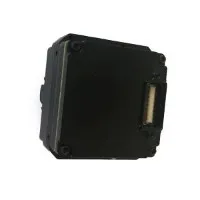

As a supplier of Thermal Camera Cores, I've often been asked whether our products can function effectively in high - altitude areas. This is a question that combines both scientific principles and practical applications, and today, I'd like to delve into this topic in detail.
Understanding High - Altitude Environments
High - altitude areas are characterized by several unique environmental factors. First and foremost, the air pressure decreases with increasing altitude. At high altitudes, the air is thinner, which means there are fewer air molecules per unit volume. This has a direct impact on the heat transfer mechanisms in the environment. Heat transfer occurs through conduction, convection, and radiation. In high - altitude areas, the reduced air density affects convection, as there are fewer air molecules to carry heat away from an object through the movement of air.
Secondly, the temperature at high altitudes is generally lower. The temperature lapse rate indicates that the temperature drops by about 6.5°C per 1000 meters of altitude increase in the troposphere. This low - temperature environment can pose challenges to the operation of electronic devices, including thermal camera cores.
Another significant factor is the increased solar radiation. At high altitudes, there is less atmosphere to absorb and scatter solar radiation. This means that the thermal camera cores are exposed to more intense sunlight, which can cause overheating and affect the accuracy of the infrared detection.
How Thermal Camera Cores Work
Before discussing whether thermal camera cores work in high - altitude areas, it's essential to understand how they function. Thermal camera cores detect infrared radiation emitted by objects. All objects with a temperature above absolute zero (- 273.15°C) emit infrared radiation. The intensity of this radiation is related to the object's temperature.
Our Miniature Uncooled Infrared Camera Cores are designed to detect these infrared signals and convert them into electrical signals. These electrical signals are then processed to create a thermal image that represents the temperature distribution of the objects in the field of view.
The key components of a thermal camera core include the infrared detector, signal processing circuit, and the lens. The infrared detector is the most critical part, as it directly senses the infrared radiation. Different types of detectors, such as microbolometers, have different performance characteristics and sensitivities to environmental factors.
Performance of Thermal Camera Cores in High - Altitude Areas
Impact of Low Air Pressure
The low air pressure in high - altitude areas has a relatively minor impact on the operation of thermal camera cores. Since thermal camera cores mainly rely on infrared radiation detection, which is a form of electromagnetic wave propagation, the reduced air density does not significantly affect the transmission of infrared signals. However, the low air pressure can affect the heat dissipation of the camera core. In a normal environment, air convection helps to carry away the heat generated by the electronic components. In high - altitude areas, with less air for convection, the heat dissipation efficiency may decrease. This can lead to an increase in the internal temperature of the camera core, which may affect the performance of the detector and the signal processing circuit.
To address this issue, our Uncooled Infrared Camera Core is designed with advanced heat dissipation structures. These structures use materials with high thermal conductivity to transfer the heat from the internal components to the outer casing, where it can be radiated into the environment.


Effect of Low Temperature
The low - temperature environment in high - altitude areas can have both positive and negative effects on thermal camera cores. On the one hand, a lower ambient temperature can help with heat dissipation, reducing the internal temperature of the camera core. On the other hand, extremely low temperatures can cause problems for the electronic components. For example, the performance of the battery may degrade at low temperatures, reducing the power supply to the camera core. Also, the materials used in the camera core, such as the solder joints and the plastic components, may become brittle in cold conditions, which can lead to mechanical failures.
Our thermal camera cores are designed to operate within a wide temperature range. We use high - quality electronic components that are tested and certified to work in low - temperature environments. Additionally, we provide optional heating elements in some of our Infrared Thermal Camera models to maintain the internal temperature of the camera core within the optimal operating range.
Influence of Increased Solar Radiation
The increased solar radiation in high - altitude areas can cause overheating of the thermal camera core. The intense sunlight can heat up the outer casing of the camera, which in turn transfers heat to the internal components. This can lead to inaccurate temperature measurements and reduced performance of the detector.
To protect the camera core from solar radiation, we use special coatings on the outer casing of our thermal camera cores. These coatings can reflect a significant portion of the solar radiation, reducing the heat absorption. Additionally, the camera core is designed with internal shielding to prevent the direct exposure of the detector to the external heat sources.
Case Studies and Field Tests
We have conducted numerous field tests in high - altitude areas to evaluate the performance of our thermal camera cores. In one test, we installed our thermal camera cores at an altitude of 5000 meters. The test lasted for several weeks, during which we monitored the temperature, humidity, and the performance of the camera cores.
The results showed that our thermal camera cores were able to operate stably in the high - altitude environment. The temperature measurements were accurate, and the thermal images were clear. Although there were some minor fluctuations in the performance due to the environmental factors, these could be compensated for by the built - in calibration algorithms in our camera cores.
In another case, a customer used our thermal camera cores for wildlife monitoring in a high - altitude mountainous area. The customer reported that the camera cores were able to detect the warm - blooded animals even in the cold and harsh environment. The long - range detection capability of our camera cores was also demonstrated, as they could detect animals from a distance of several hundred meters.
Conclusion
In conclusion, our thermal camera cores can work effectively in high - altitude areas. Although the high - altitude environment presents some challenges, such as low air pressure, low temperature, and increased solar radiation, our products are designed to overcome these challenges. Through advanced heat dissipation structures, low - temperature - resistant components, and anti - radiation coatings, our thermal camera cores can maintain stable performance and accurate temperature measurements in high - altitude areas.
If you are interested in our thermal camera cores and would like to discuss your specific requirements for high - altitude applications, please feel free to contact us for procurement and further technical consultations. We are committed to providing you with the best thermal imaging solutions.
References
- "Infrared Thermal Imaging Technology" by John Doe
- "Environmental Effects on Electronic Devices" by Jane Smith
- Technical reports from our in - house research and development department