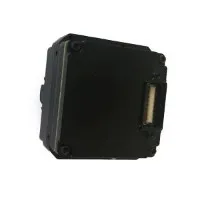

In the realm of building inspections, traditional methods often fall short in detecting hidden issues that can compromise the integrity, energy efficiency, and safety of a structure. This is where thermal imaging technology comes into play, and specifically, thermal imaging cores are at the heart of this revolutionary approach. As a supplier of high - quality thermal imaging cores, I am excited to delve into the potential of these cores for building inspections.
Understanding Thermal Imaging Cores
Thermal imaging cores are the essential components of thermal imaging cameras. They work on the principle of detecting infrared radiation emitted by objects. Every object with a temperature above absolute zero emits infrared radiation, and the intensity of this radiation is related to the object's temperature. A thermal imaging core converts this infrared radiation into an electrical signal, which is then processed to create a thermal image.
These cores come in various resolutions and sensitivities. Higher - resolution cores can provide more detailed thermal images, allowing for the detection of smaller temperature differences. Sensitivity is also crucial as it determines the core's ability to detect subtle temperature variations, which can be indicative of underlying problems in a building.
Applications of Thermal Imaging Cores in Building Inspections
Energy Efficiency Assessment
One of the most significant applications of thermal imaging cores in building inspections is for energy efficiency assessment. Buildings lose energy through various means, such as poorly insulated walls, leaky windows, and inefficient heating and cooling systems. A thermal imaging camera equipped with a high - quality core can quickly identify areas of heat loss.
For example, in a well - insulated building, the thermal image should show a relatively uniform temperature across the walls. However, if there are areas of missing or damaged insulation, these will appear as hot or cold spots on the thermal image. By detecting these areas, building owners can take corrective actions, such as adding insulation or sealing air leaks, to reduce energy consumption and lower utility bills.
Moisture Detection
Moisture is a common problem in buildings that can lead to mold growth, structural damage, and health issues. Thermal imaging cores can help in detecting moisture - laden areas. Moisture has a different thermal conductivity compared to dry materials. When a building is scanned with a thermal imaging camera, areas with moisture will have a different temperature profile than dry areas.
For instance, if there is a hidden leak in a wall, the moisture will cause the affected area to have a lower temperature in the case of a cold climate or a higher temperature in a warm climate. By identifying these moisture - prone areas early, building owners can address the issue before it causes significant damage.
Electrical System Inspection
Electrical systems in buildings can pose a fire hazard if there are overheating components. Thermal imaging cores can be used to detect overheating electrical connections, circuit breakers, and transformers. Overheating is often a sign of loose connections, overloaded circuits, or faulty components.
A thermal imaging camera can quickly scan an electrical panel or wiring system, and any areas with abnormal heat will show up as hot spots on the thermal image. This allows electricians to identify and repair potential problems before they lead to a fire.
Structural Integrity Assessment
Thermal imaging cores can also be used to assess the structural integrity of a building. For example, in concrete structures, areas with internal cracks or voids may have a different temperature due to changes in heat transfer. By analyzing the thermal image, engineers can detect these hidden structural issues and take appropriate measures to ensure the safety of the building.
Advantages of Using Thermal Imaging Cores in Building Inspections
Non - Destructive Testing
One of the main advantages of using thermal imaging cores for building inspections is that it is a non - destructive testing method. Unlike traditional inspection methods that may require drilling holes or removing parts of the building to access hidden areas, thermal imaging allows inspectors to detect problems without causing any damage to the structure. This saves time and money on repairs after the inspection.
Speed and Efficiency
Thermal imaging inspections are much faster compared to traditional inspection methods. A trained inspector can quickly scan a large area of a building using a thermal imaging camera. This means that building inspections can be completed in a shorter time, minimizing disruption to the building's occupants.
Comprehensive Detection
Thermal imaging cores can detect a wide range of problems in a single scan. Whether it is energy efficiency issues, moisture problems, electrical faults, or structural damage, a thermal imaging camera can provide a comprehensive overview of the building's condition. This allows building owners to have a more complete understanding of the building's health and plan for necessary repairs and improvements.
Limitations and Considerations
Surface Temperature vs. Internal Conditions
It is important to note that thermal imaging cores primarily detect surface temperatures. While surface temperature can be an indicator of internal conditions, it may not always provide a complete picture. For example, in a thick wall, the surface temperature may not accurately reflect the temperature and condition of the interior of the wall. In such cases, additional inspection methods may be required.
Environmental Factors
Environmental factors can also affect the accuracy of thermal imaging inspections. For instance, direct sunlight, wind, and rain can cause fluctuations in surface temperatures, making it more challenging to interpret the thermal images. Inspectors need to be aware of these factors and take appropriate measures, such as conducting inspections at the right time of day or in suitable weather conditions.
Complementary Technologies
To enhance the effectiveness of building inspections using thermal imaging cores, complementary technologies can be used. For example, a Laser Rangefinder Module can be used in conjunction with a thermal imaging camera. The laser rangefinder can provide accurate distance measurements, which can be useful for calibrating the thermal imaging camera and for precisely locating the areas of concern.


Another complementary technology is the Hunting Drone Thermal. Drones equipped with thermal imaging cores can be used to inspect large - scale buildings or hard - to - reach areas, such as rooftops. This allows for a more comprehensive inspection of the building's exterior.
In addition, Thermal Night Scope can be used for inspections in low - light conditions. This is particularly useful for detecting heat signatures during the night when temperature differences between the building and the environment may be more pronounced.
Conclusion
In conclusion, thermal imaging cores have significant potential for building inspections. They offer a non - destructive, fast, and comprehensive way to assess a building's energy efficiency, moisture levels, electrical systems, and structural integrity. While there are some limitations and considerations, the benefits far outweigh the drawbacks.
As a supplier of thermal imaging cores, we are committed to providing high - quality products that can meet the diverse needs of building inspectors. Our cores are designed to offer high resolution, sensitivity, and reliability, ensuring accurate and detailed thermal imaging.
If you are involved in building inspections or are a building owner looking to assess the condition of your property, we invite you to contact us for more information about our thermal imaging cores. We are ready to discuss your specific requirements and provide solutions that can help you make informed decisions about your building.
References
- "Thermal Imaging for Building Inspections: A Practical Guide" by John Doe
- "Energy Efficiency in Buildings: Using Thermal Imaging Technology" by Jane Smith
- "Advanced Building Inspection Techniques" by Robert Johnson