
Can thermal camera cores be used in building inspection? You bet they can! As a supplier of Thermal Camera Cores, I've seen firsthand how these nifty devices are revolutionizing the way we approach building inspections. In this blog post, I'll dive into the ins and outs of using thermal camera cores for building inspections, sharing some real - world examples and explaining why they're such a game - changer.
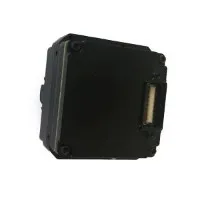
Let's start with the basics. What exactly are thermal camera cores? Well, in simple terms, they're the heart of a thermal imaging camera. These cores detect infrared radiation and convert it into an electrical signal, which is then processed to create a thermal image. There are different types of thermal camera cores out there, but the ones we supply are top - notch, offering high - resolution images and excellent sensitivity.


Now, why are thermal camera cores so useful in building inspection? One of the main reasons is that they can detect hidden problems that the naked eye can't see. For example, they can identify areas of heat loss in a building. Heat loss is a big deal because it means that energy is being wasted, which not only costs the building owner more money in heating bills but also has a negative impact on the environment. With a thermal camera core, you can quickly spot where the heat is escaping, whether it's through poorly insulated walls, leaky windows, or gaps in the roof.
Let's say you're inspecting an old house. Using a Thermal Imaging Camera Cores, you might notice that a particular wall is much colder than the rest of the house. This could indicate that there's a problem with the insulation in that wall. Maybe there's a hole or a section that wasn't installed correctly. By identifying the problem early, the homeowner can take steps to fix it, saving money in the long run.
Another area where thermal camera cores shine is in detecting moisture problems. Moisture can cause all sorts of issues in a building, from mold growth to structural damage. A thermal camera can detect differences in temperature caused by moisture. Wet areas tend to be cooler than dry areas because water evaporates and takes heat away. So, if you see a cool spot on a thermal image, it could be a sign of a leak or a moisture problem.
For instance, in a commercial building, a thermal camera core can be used to check for water leaks in the ceiling. If there's a leak from a plumbing pipe above, the area where the water is seeping through will appear as a cooler area on the thermal image. This allows the maintenance team to quickly locate the source of the leak and make the necessary repairs before the problem gets worse.
Thermal camera cores are also great for checking the electrical systems in a building. Overloaded electrical circuits or faulty connections can generate heat. A thermal camera can easily detect these hotspots. By identifying potential electrical problems early, you can prevent electrical fires and other safety hazards.
Let's talk about the types of thermal camera cores that are particularly useful for building inspection. Our LWIR Micro Thermal Camera Module is a great option. It's small, lightweight, and easy to use, making it perfect for inspectors who need to move around a building quickly. Despite its small size, it offers high - quality thermal imaging, allowing you to see even the smallest temperature differences.
The Thermal Camera Module is another excellent choice. It has a wider field of view, which is great for getting an overall picture of a large area, like a whole room or a building facade. It also has advanced features like image enhancement and temperature measurement, which can provide more detailed information during an inspection.
But it's not just about the technology. Using thermal camera cores in building inspection also requires some skills and knowledge. Inspectors need to understand how to interpret the thermal images correctly. A thermal image can be a bit confusing at first, but with some training, it becomes much easier to spot the signs of problems.
For example, you need to be aware of factors that can affect the temperature readings, such as sunlight, wind, and the time of day. If you're inspecting a building on a sunny day, the parts of the building that are in direct sunlight will be warmer, which could make it harder to detect other temperature differences. So, it's important to choose the right time for the inspection and take these factors into account.
In addition, it's important to have a good understanding of building construction and the common problems that can occur. This will help you make sense of what you're seeing on the thermal image. For example, if you know how a particular type of insulation works, you'll be better able to identify if there's a problem with it.
The use of thermal camera cores in building inspection is also becoming more and more popular because it's a non - destructive testing method. Unlike traditional inspection methods, which might involve drilling holes or removing parts of the building to check for problems, thermal imaging allows you to inspect the building without causing any damage. This is a huge advantage, especially for historical buildings or buildings with valuable finishes.
So, if you're in the business of building inspection, or if you're a building owner looking to keep your property in top condition, thermal camera cores are definitely worth considering. They can save you time, money, and a lot of headaches in the long run.
As a supplier of Thermal Camera Cores, we're committed to providing high - quality products and excellent customer service. If you're interested in learning more about our thermal camera cores or have any questions about using them for building inspection, don't hesitate to get in touch. We'd be happy to have a chat with you and help you find the right solution for your needs. Whether you're a small - scale inspector or a large - scale construction company, we've got the thermal camera cores to suit your requirements.
Contact us today to start a conversation about how our thermal camera cores can benefit your building inspection projects. We're here to support you every step of the way.
References
- "Thermal Imaging in Building Inspection: Principles and Applications" - A comprehensive guide on using thermal imaging in the building industry.
- "Non - Destructive Testing Methods for Buildings" - A research paper discussing various non - destructive testing techniques, including thermal imaging.