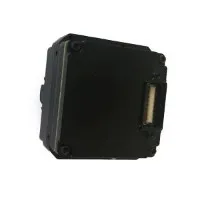

As a supplier of LWIR (Long-Wave Infrared) camera cores, I've witnessed firsthand the growing interest in integrating these advanced components with other systems. The question on many minds is, "Can LWIR camera cores be integrated with other systems?" The answer is a resounding yes, and in this blog, I'll delve into the details of how this integration is not only possible but also highly beneficial across various industries.
Understanding LWIR Camera Cores
Before we explore integration possibilities, let's briefly understand what LWIR camera cores are. LWIR cameras operate in the long-wave infrared spectrum, typically between 8 and 14 micrometers. This spectral range allows them to detect thermal radiation emitted by objects, regardless of ambient light conditions. Unlike visible light cameras, LWIR cameras can "see" in complete darkness, fog, smoke, and haze, making them invaluable for a wide range of applications.
Our company offers a variety of Uncooled Thermal Imaging Core options, which are designed to provide high-quality thermal imaging without the need for expensive and bulky cooling systems. These cores are compact, energy-efficient, and offer excellent sensitivity, making them ideal for integration into other systems.
Integration with Surveillance Systems
One of the most common applications of LWIR camera cores is in surveillance systems. Traditional surveillance cameras rely on visible light, which means they are ineffective in low-light or no-light conditions. By integrating LWIR camera cores into surveillance systems, security personnel can monitor areas around the clock, regardless of lighting conditions.
For example, in a large industrial complex, LWIR cameras can be installed alongside visible light cameras to provide comprehensive coverage. During the day, the visible light cameras can capture detailed images of people and objects, while at night, the LWIR cameras can detect any thermal signatures, such as intruders or overheating equipment. This integration enhances the overall security of the facility and allows for early detection of potential threats.
Moreover, LWIR cameras can be integrated with pan-tilt-zoom (PTZ) systems, allowing for remote control and automated tracking of targets. This feature is particularly useful in large outdoor areas, such as airports, seaports, and military installations, where continuous monitoring is required.
Integration with Automotive Systems
The automotive industry is another sector that can benefit greatly from the integration of LWIR camera cores. With the increasing demand for advanced driver assistance systems (ADAS) and autonomous vehicles, LWIR cameras can play a crucial role in enhancing safety and visibility.


In ADAS, LWIR cameras can be used to detect pedestrians, animals, and other obstacles on the road, even in low-light or adverse weather conditions. This information can be integrated with other sensors, such as radar and lidar, to provide a more comprehensive view of the surroundings and enable the vehicle to make more informed decisions.
For autonomous vehicles, LWIR cameras can serve as an additional layer of redundancy, ensuring that the vehicle can operate safely in all conditions. By detecting thermal signatures, LWIR cameras can identify objects that may be difficult to detect using other sensors, such as hidden pedestrians or animals in the dark.
Integration with Medical Systems
In the medical field, LWIR camera cores can be integrated into various systems to provide non-invasive diagnostic tools. Thermal imaging can detect changes in skin temperature, which can be indicative of inflammation, infection, or other medical conditions.
For example, in dermatology, LWIR cameras can be used to detect skin diseases, such as psoriasis and eczema, by identifying areas of abnormal skin temperature. In sports medicine, thermal imaging can be used to monitor muscle injuries and track the progress of rehabilitation.
Our Thermal Imaging Module can be easily integrated into medical devices, such as handheld scanners and stationary imaging systems, to provide real-time thermal images for diagnosis and treatment.
Challenges and Considerations
While the integration of LWIR camera cores with other systems offers numerous benefits, it also presents some challenges. One of the main challenges is ensuring compatibility between the LWIR camera core and the other components of the system. This requires careful consideration of factors such as power requirements, communication protocols, and physical dimensions.
Another challenge is the need for calibration and synchronization of the LWIR camera core with the other sensors in the system. This is particularly important in applications where accurate measurement and data fusion are required, such as in automotive and medical systems.
To overcome these challenges, our company provides comprehensive technical support and integration services. We work closely with our customers to ensure that our Uncooled Camera Cores are seamlessly integrated into their systems and meet their specific requirements.
Conclusion
In conclusion, LWIR camera cores can be successfully integrated with other systems across various industries, offering enhanced functionality, safety, and visibility. Whether it's in surveillance, automotive, medical, or other applications, the integration of LWIR camera cores can provide significant benefits and open up new possibilities for innovation.
If you're interested in integrating LWIR camera cores into your system, I encourage you to contact us to discuss your specific requirements. Our team of experts is ready to provide you with the best solutions and support to ensure a successful integration.
References
- "Thermal Imaging: Principles, Applications, and Advances" by Michael Vollmer and Stefan M. Bauer
- "Infrared Technology and Applications XXXVIII" edited by David L. Holst
- "Advanced Driver Assistance Systems: A Technical Overview" by Rajesh Rajamani