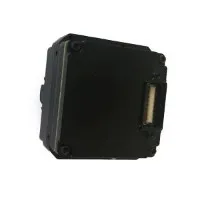

Hey there! As a supplier of LWIR (Long-Wave Infrared) Camera Cores, I often get asked if these bad boys can be integrated with other devices. Well, the short answer is yes, and in this blog, I'm gonna dive deep into how and why it works.
First off, let's talk a bit about what LWIR Camera Cores are. These cores are the heart of an infrared thermal imaging system. They detect the long-wave infrared radiation emitted by objects, which is basically heat. This allows us to "see" in complete darkness, through smoke, and even some types of camouflage. It's like having X-ray vision for heat!
Now, onto the big question: Can they be integrated with other devices? The answer lies in the flexibility and versatility of LWIR Camera Cores. These cores come with various interfaces and communication protocols that make them compatible with a wide range of devices.
One of the most common integrations is with drones. Drones are becoming increasingly popular in various industries, from agriculture to security. By integrating an Uncooled Thermal Imaging Core, drones can perform tasks like crop health monitoring, wildlife tracking, and search and rescue operations more effectively. The thermal imaging capabilities of the LWIR core allow the drone to detect heat signatures, which can be crucial in these applications. For example, in agriculture, it can help identify areas of a field that are under stress due to lack of water or nutrients. In search and rescue, it can spot the heat signatures of missing persons even in low-light or obscured conditions.
Another great integration is with security systems. Surveillance cameras are a staple in security setups, but adding an LWIR Camera Core can take security to the next level. These cores can detect intruders even in complete darkness, providing 24/7 surveillance. They can also be integrated with alarm systems, so if a heat signature is detected in a restricted area, an alarm can be triggered. Miniature Uncooled Infrared Camera Cores are particularly useful in security applications as they are small and can be easily hidden or mounted in discreet locations.
Medical devices are also starting to benefit from LWIR Camera Core integrations. Infrared thermal imaging can be used to detect inflammation and blood flow in the body. By integrating an LWIR core into a medical device, doctors can get a non-invasive way to diagnose certain conditions. For example, it can be used to detect early signs of arthritis or to monitor the healing process of wounds.
Automotive applications are another area where LWIR Camera Cores are making a mark. Integrating these cores into cars can enhance driver safety. They can detect pedestrians, animals, and other obstacles on the road, even in low-visibility conditions. This can help prevent accidents and save lives. Infrared Thermal Camera technology in cars can also provide additional information to the driver, such as the temperature of the engine or the brakes.
But how does the integration process work? Well, it usually involves a few steps. First, you need to make sure that the LWIR Camera Core and the target device have compatible interfaces. This could be a USB, Ethernet, or other types of communication interfaces. Once the compatibility is confirmed, the next step is to install the necessary software drivers. These drivers allow the device to communicate with the LWIR core and process the thermal data.

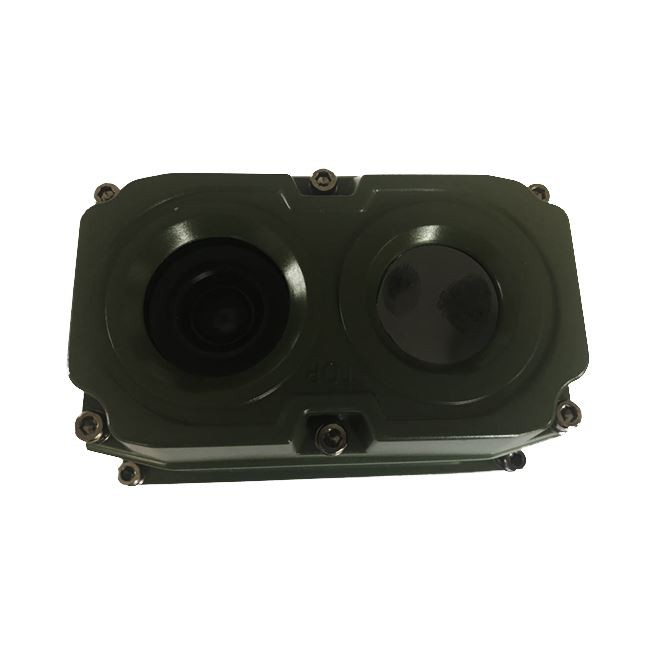
After the hardware and software are set up, the integration needs to be tested. This involves checking if the thermal images are being captured correctly and if the data is being transferred and processed without any issues. Any bugs or glitches need to be fixed before the integrated system can be deployed.
Of course, there are some challenges when it comes to integrating LWIR Camera Cores with other devices. One of the main challenges is power consumption. LWIR cores can be power-hungry, especially if they are high-resolution. This can be a problem for devices that have limited power sources, like drones or portable medical devices. Another challenge is the size and weight of the core. In some applications, like drones or wearable devices, the size and weight of the LWIR core need to be as small as possible to avoid affecting the performance of the device.
Despite these challenges, the benefits of integrating LWIR Camera Cores with other devices far outweigh the drawbacks. The enhanced capabilities that these integrations provide can open up new opportunities in various industries.
If you're interested in integrating LWIR Camera Cores into your devices, I'd love to have a chat with you. Whether you're in the drone, security, medical, or automotive industry, we can work together to find the best solution for your needs. Just reach out, and we can start the process of turning your ideas into reality.
References
- Smith, J. (2020). Thermal Imaging Technology: Principles and Applications. New York: Academic Press.
- Johnson, A. (2019). Integration of Infrared Sensors in Modern Devices. Journal of Sensor Technology, 9(2), 45-56.