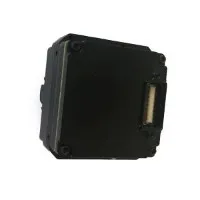

As a supplier of thermal vision cameras, I often get asked about the diverse applications of our products. One question that has come up quite frequently is whether a thermal vision camera can be used for aviation. In this blog, I'll delve into this topic, exploring the potential uses, benefits, and challenges of using thermal vision cameras in the aviation industry.
The Basics of Thermal Vision Cameras
Before we discuss their application in aviation, let's briefly understand how thermal vision cameras work. These cameras detect infrared radiation emitted by objects. All objects above absolute zero (-273.15°C) emit infrared radiation, and the amount of radiation is related to the object's temperature. Thermal vision cameras capture this radiation and convert it into an image that represents the temperature distribution of the scene. This technology has been widely used in various fields, such as security, firefighting, and industrial inspections.
Potential Uses of Thermal Vision Cameras in Aviation
Night Vision and Low - Visibility Conditions
One of the most significant advantages of thermal vision cameras in aviation is their ability to provide visibility in low - light and adverse weather conditions. During nighttime flights, traditional visual aids may be limited. However, thermal cameras can detect the heat signatures of other aircraft, terrain features, and potential hazards. For example, they can help pilots identify other planes in the vicinity, even when they are not illuminated by navigation lights. In fog, rain, or snow, where visibility is severely reduced, thermal vision can cut through these conditions and show the heat patterns of the ground, runways, and obstacles. This enhanced visibility can significantly improve flight safety, especially during takeoff and landing.
Wildlife Detection
Bird strikes are a major concern in aviation. Birds can cause significant damage to aircraft engines and structures, leading to potentially catastrophic consequences. Thermal vision cameras can detect the heat signatures of birds, even in the dark. By installing thermal cameras on aircraft, pilots can be alerted to the presence of large flocks of birds in their flight path. This early warning system allows pilots to take evasive action, such as changing altitude or course, to avoid a collision.
Aircraft System Monitoring
Thermal vision cameras can also be used for monitoring the health of aircraft systems. Components such as engines, electrical systems, and hydraulic systems generate heat during operation. An abnormal increase in temperature in these components can indicate a potential problem, such as a malfunctioning part or a blockage. By using thermal cameras to monitor the temperature distribution of these systems, maintenance crews can detect issues early and perform preventive maintenance. This can reduce the risk of in - flight failures and improve the overall reliability of the aircraft.
Search and Rescue Operations
In search and rescue missions, thermal vision cameras can be invaluable. They can detect the heat signatures of survivors, even in difficult - to - reach areas or in dense vegetation. When an aircraft is involved in a crash or an emergency situation, thermal cameras mounted on search planes or helicopters can quickly scan large areas to locate survivors. The heat from the human body stands out clearly against the background, making it easier for rescue teams to find those in need of help.
Benefits of Using Thermal Vision Cameras in Aviation
Enhanced Safety
The primary benefit of using thermal vision cameras in aviation is the improvement in safety. By providing better visibility in low - light and adverse weather conditions, detecting wildlife, and monitoring aircraft systems, thermal cameras can help prevent accidents and reduce the risk of in - flight emergencies. This is crucial for both commercial airlines and private aviation.
Cost - Effectiveness
In the long run, using thermal vision cameras can be cost - effective. Early detection of potential problems in aircraft systems can prevent costly breakdowns and unscheduled maintenance. Additionally, by avoiding bird strikes, airlines can save on the costs associated with engine repairs and aircraft downtime.
Improved Mission Efficiency
In search and rescue operations, thermal cameras can significantly improve the efficiency of the mission. They can cover large areas quickly and accurately locate survivors, reducing the time it takes to mount a rescue operation. This can increase the chances of survival for those in distress.
Challenges of Using Thermal Vision Cameras in Aviation
Technical Limitations
Thermal vision cameras have some technical limitations. For example, they may be affected by factors such as solar radiation, which can interfere with the detection of heat signatures. In addition, the resolution of thermal images may not be as high as that of traditional optical cameras, which can make it difficult to identify small objects or details.
Regulatory Requirements
The use of thermal vision cameras in aviation is subject to regulatory requirements. Airlines and aircraft operators need to ensure that the cameras meet the safety and performance standards set by aviation authorities. This may involve additional testing and certification processes, which can be time - consuming and costly.
Integration with Existing Systems
Integrating thermal vision cameras into existing aircraft systems can be a challenge. The cameras need to be compatible with the aircraft's avionics, display systems, and communication networks. Ensuring seamless integration requires careful planning and engineering.
Addressing the Challenges
Technological Advancements
The thermal imaging technology is constantly evolving. Manufacturers are working on improving the resolution, sensitivity, and reliability of thermal vision cameras. Newer models are less affected by external factors such as solar radiation and can provide clearer and more detailed images.
Collaboration with Regulatory Bodies
We, as a thermal vision camera supplier, work closely with regulatory bodies to ensure that our products meet the necessary safety and performance standards. We participate in testing and certification processes to ensure that our cameras are approved for use in aviation.
Customized Integration Solutions
We offer customized integration solutions to help aircraft operators integrate thermal vision cameras into their existing systems. Our engineering team has the expertise to design and implement integration plans that are tailored to the specific needs of each aircraft.
Conclusion
In conclusion, thermal vision cameras have great potential for use in aviation. They offer enhanced visibility, improved safety, and cost - effectiveness in various aviation applications, such as night flights, wildlife detection, aircraft system monitoring, and search and rescue operations. Although there are some challenges associated with their use, these can be addressed through technological advancements, collaboration with regulatory bodies, and customized integration solutions.
If you are an airline operator, a private pilot, or involved in search and rescue operations, and you are interested in exploring the use of thermal vision cameras in your aviation activities, I encourage you to reach out to us. Our team of experts can provide you with detailed information about our products, discuss your specific requirements, and help you find the best thermal vision camera solution for your needs. Contact us to start a procurement discussion and take your aviation safety and efficiency to the next level.
References
- "Thermal Imaging in Aerospace and Defense Applications" - A research paper on the applications of thermal imaging in the aerospace industry.
- "Aviation Safety: The Role of Advanced Vision Systems" - A report on how advanced vision systems, including thermal cameras, can improve aviation safety.
- "Bird Strike Prevention in Aviation: New Technologies and Strategies" - A study on the use of technology to prevent bird strikes in aviation.