
In recent years, the issue of food safety has become a global concern. Consumers are increasingly demanding high - quality, safe food products, and regulatory bodies are tightening their standards. As a supplier of thermal camera modules, I've often been asked whether our products can be used for food safety inspections. In this blog, I'll explore the potential of thermal camera modules in this crucial area.
How Thermal Camera Modules Work
Before delving into their application in food safety, it's important to understand how thermal camera modules operate. Thermal cameras detect infrared radiation emitted by objects. All objects above absolute zero (-273.15°C) emit infrared energy, and the amount of this energy is related to the object's temperature. Thermal camera modules convert the infrared radiation into an electrical signal, which is then processed to create a thermal image. These images show the temperature distribution of the object or scene being observed.
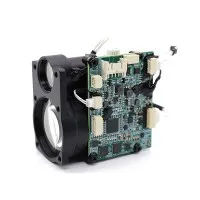
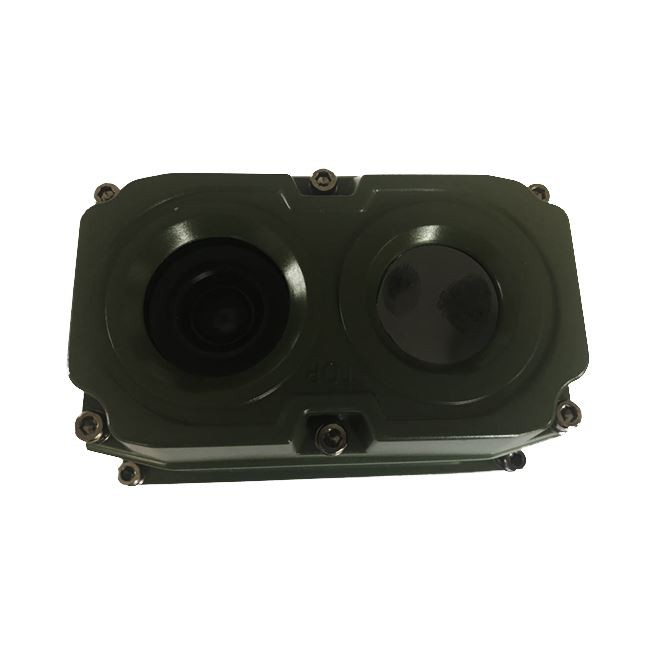
There are different types of thermal camera modules available in the market. For instance, LWIR Camera Cores are designed to operate in the long - wave infrared range, which is particularly useful for detecting temperature differences. Our OEM Thermal Camera Modules offer flexibility for original equipment manufacturers to integrate thermal imaging technology into their own products. And Infrared Thermal Camera modules provide a complete solution for various thermal imaging applications.
Applications of Thermal Camera Modules in Food Safety Inspections
Temperature Monitoring during Storage
One of the key aspects of food safety is proper temperature control during storage. Many food products, such as meat, dairy, and fresh produce, need to be stored at specific temperatures to prevent the growth of harmful bacteria. Thermal camera modules can be used to monitor the temperature of storage facilities, such as refrigerators, freezers, and warehouses.
By continuously scanning the storage area, thermal cameras can detect any hot spots or areas where the temperature is not within the desired range. For example, if a section of a refrigerator has a malfunctioning cooling unit, the thermal camera will show a higher temperature in that area. This early detection allows for timely maintenance, preventing food spoilage and reducing the risk of foodborne illnesses.
Cooking and Processing
In the food processing industry, ensuring that food is cooked to the correct temperature is essential for killing bacteria and ensuring safety. Thermal camera modules can be installed in ovens, grills, and other cooking equipment to monitor the cooking process.

They can provide real - time temperature information on the surface of the food, allowing operators to adjust the cooking time and temperature as needed. For instance, in a large - scale bakery, thermal cameras can be used to ensure that all loaves of bread are baked evenly and reach the appropriate internal temperature to kill any potential pathogens.
Detection of Contamination
Thermal camera modules can also assist in detecting food contamination. Some types of contaminants, such as mold or bacteria, can cause changes in the temperature of the food surface. When a food product is contaminated, the metabolic activity of the microorganisms can generate heat, which can be detected by thermal cameras.
For example, in a batch of fresh fruits, if there is a moldy fruit, the thermal image may show a slightly higher temperature around the affected area compared to the healthy fruits. This can help in quickly identifying and removing contaminated products from the production line, preventing further spread of the contamination.
Advantages of Using Thermal Camera Modules for Food Safety Inspections
Non - Contact Measurement
One of the significant advantages of thermal camera modules is that they allow for non - contact temperature measurement. This is particularly important in the food industry, as it eliminates the need for physical contact with the food, reducing the risk of cross - contamination.
Unlike traditional temperature sensors, which need to be inserted into the food or placed in direct contact with the surface, thermal cameras can measure the temperature from a distance. This makes them suitable for inspecting large volumes of food products quickly and efficiently.
High - Speed Inspection
Thermal camera modules can capture images at high speeds, enabling rapid inspection of food products on a production line. In a fast - paced food processing environment, where thousands of products are produced per hour, traditional inspection methods may be time - consuming and inefficient.
Thermal cameras can scan multiple products simultaneously, detecting temperature anomalies in real - time. This high - speed inspection capability helps in maintaining the production rate while ensuring food safety.
Comprehensive Coverage
Thermal cameras can provide a comprehensive view of the temperature distribution across an entire object or area. They can detect temperature variations that may not be visible to the naked eye or detectable by traditional sensors.
For example, in a large food storage warehouse, a thermal camera can cover a wide area and identify temperature differences in different racks, shelves, and corners. This comprehensive coverage ensures that no potential food safety issues are overlooked.
Challenges and Limitations
Calibration and Accuracy
To ensure accurate temperature measurement, thermal camera modules need to be properly calibrated. Environmental factors, such as humidity, air temperature, and the emissivity of the food surface, can affect the accuracy of the temperature readings.
Calibration procedures need to be carried out regularly to account for these factors. Additionally, the emissivity of different food products can vary, which requires careful adjustment of the camera settings to obtain accurate temperature measurements.
Cost
The initial investment in thermal camera modules and the associated equipment can be relatively high. For small - scale food producers or businesses with limited budgets, the cost of purchasing and installing thermal camera systems may be a deterrent.
However, it's important to consider the long - term benefits, such as reduced food spoilage, lower risk of product recalls, and improved customer confidence. Over time, the cost savings and increased efficiency may outweigh the initial investment.
Limited Depth Information
Thermal cameras primarily measure the surface temperature of the food. While this is useful for many applications, it may not provide information about the internal temperature of thick or dense food products.
In some cases, additional methods, such as inserting temperature probes, may be required to accurately determine the internal temperature of the food. This can be a drawback in applications where the internal temperature is critical for ensuring food safety.
Conclusion
In conclusion, thermal camera modules have significant potential for use in food safety inspections. Their ability to provide non - contact, high - speed, and comprehensive temperature monitoring makes them a valuable tool in the food industry.
They can be used for temperature monitoring during storage, cooking and processing, and detection of contamination. However, there are also challenges and limitations, such as calibration requirements, cost, and limited depth information.
Despite these challenges, the benefits of using thermal camera modules for food safety inspections are substantial. As a supplier of thermal camera modules, we are committed to providing high - quality products and technical support to help food producers and processors enhance their food safety measures.
If you are interested in learning more about how our thermal camera modules can be integrated into your food safety inspection processes, or if you have any questions regarding our products, we encourage you to reach out to us. Our team of experts is ready to discuss your specific needs and provide customized solutions.
References
- [1] "Thermal Imaging in the Food Industry: Applications and Benefits", Journal of Food Science and Technology, 2018.
- [2] "Non - Contact Temperature Measurement Techniques for Food Safety", Food Safety Magazine, 2019.
- [3] "Advances in Thermal Camera Technology for Food Inspection", International Journal of Food Engineering, 2020.