

Hey there! As a supplier of thermal camera modules, I often get asked if these nifty devices can be used in aviation applications. Well, you bet they can! In this blog, I'm gonna break down how thermal camera modules can revolutionize the aviation industry, from enhancing safety to improving efficiency.
Let's start with the basics. A thermal camera module works by detecting infrared radiation emitted by objects. Every object with a temperature above absolute zero emits infrared energy, and thermal cameras can pick up these differences in heat signatures. This technology has been around for a while, but recent advancements have made thermal camera modules more compact, affordable, and powerful than ever before.
One of the primary uses of thermal camera modules in aviation is for night vision. Pilots often have to fly in low - light conditions, and traditional visual aids may not be sufficient. A thermal camera module can provide a clear view of the terrain, other aircraft, and potential hazards even in complete darkness. For example, during night take - offs and landings, a thermal camera can help pilots identify obstacles on the runway that might not be visible to the naked eye. This significantly enhances flight safety, reducing the risk of accidents.
Another important application is in search and rescue operations. When an aircraft goes missing or there's an emergency on the ground, time is of the essence. Thermal camera modules can be mounted on search planes or drones. Since humans and warm - blooded animals emit heat, the thermal camera can easily detect their presence even in dense forests or in bad weather conditions. It can cover large areas quickly, increasing the chances of finding survivors.
Thermal camera modules are also useful for aircraft maintenance. They can detect overheating components in the engine, electrical systems, or other critical parts of the aircraft. By identifying these hotspots early, maintenance crews can prevent potential breakdowns and ensure the aircraft is in top - notch condition. For instance, a faulty electrical connection can cause a local increase in temperature. A thermal camera can spot this anomaly before it leads to a more serious problem, saving both time and money in the long run.
Now, let's talk about the types of thermal camera modules that are suitable for aviation. The Infrared Thermal Camera is a great option. It offers high - resolution imaging, which is crucial for clear identification of objects during flight. These cameras are designed to be rugged and reliable, able to withstand the harsh conditions of aviation, including high altitudes, vibrations, and temperature variations.
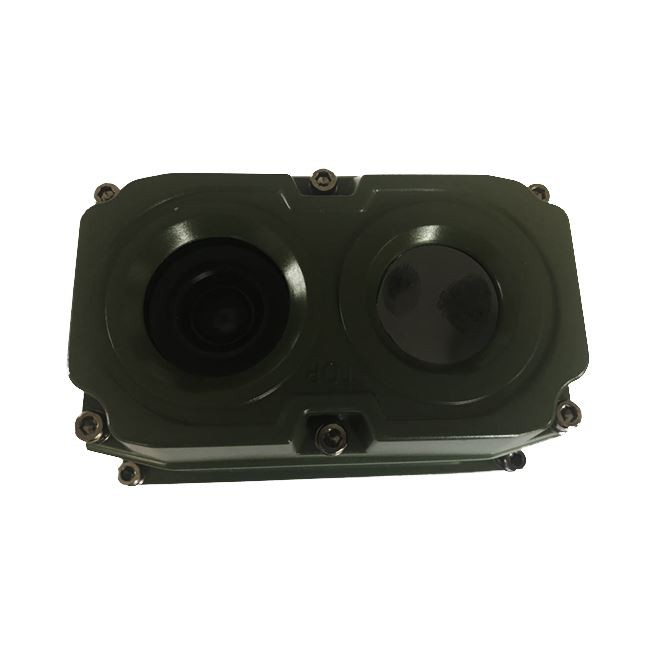

The Uncooled Thermal Imaging Core is another popular choice. Unlike cooled thermal cameras, which require complex and expensive cooling systems, uncooled thermal imaging cores are more cost - effective and easier to maintain. They still provide excellent performance, making them ideal for a wide range of aviation applications, from small private planes to large commercial airliners.
For more specialized needs, the LWIR Camera Cores are a great solution. Long - wave infrared (LWIR) cameras are particularly sensitive to the heat signatures of objects. They can provide detailed images even in adverse weather conditions, such as fog or rain. This makes them extremely valuable for aviation, where visibility can be a major challenge.
When it comes to integrating thermal camera modules into aviation systems, there are a few considerations. First, the module needs to be compatible with the existing avionics systems of the aircraft. This may require some customization and calibration to ensure seamless operation. Second, the weight and size of the module are important factors. Aviation is all about efficiency, and adding unnecessary weight or bulk can affect the performance of the aircraft. That's why modern thermal camera modules are designed to be lightweight and compact.
In addition, the software that comes with the thermal camera module is also crucial. It should be user - friendly, allowing pilots and operators to easily interpret the thermal images. Some advanced software can even provide real - time analysis and alerts, further enhancing the functionality of the thermal camera.
However, there are also some challenges in using thermal camera modules in aviation. One of the main challenges is the cost. Although the prices of thermal camera modules have come down in recent years, they can still be relatively expensive, especially for high - end models. Another challenge is the regulatory requirements. Aviation is a highly regulated industry, and any new technology needs to meet strict safety and performance standards. This means that thermal camera module manufacturers need to invest in extensive testing and certification processes to ensure their products are approved for use in aviation.
Despite these challenges, the benefits of using thermal camera modules in aviation far outweigh the drawbacks. The enhanced safety, improved efficiency, and increased situational awareness they provide are invaluable. As technology continues to evolve, we can expect thermal camera modules to become even more advanced and widely used in the aviation industry.
If you're in the aviation business and are interested in incorporating thermal camera modules into your operations, I'd love to have a chat with you. Whether you're looking for a solution for night vision, search and rescue, or aircraft maintenance, we have a range of high - quality thermal camera modules to meet your needs. Contact us to start a procurement discussion and find out how we can help you take your aviation operations to the next level.
References
- "Thermal Imaging in Aviation: A Review of Current Applications and Future Prospects", Journal of Aviation Technology
- "Advances in Thermal Camera Technology for Aerospace Applications", Proceedings of the International Aerospace Conference


