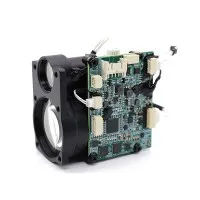

Can a Mini Thermal Camera be used for detecting heat in woodworking processes?
As a supplier of Mini Thermal Cameras, I often get asked about the diverse applications of these compact yet powerful devices. One question that has come up quite frequently is whether a Mini Thermal Camera can be used for detecting heat in woodworking processes. In this blog post, I'll delve into the science behind thermal imaging, explore the potential benefits and challenges of using a Mini Thermal Camera in woodworking, and provide some real - world insights.
Understanding Thermal Imaging
Before we discuss its application in woodworking, let's briefly understand how thermal imaging works. Thermal cameras detect infrared radiation, which is emitted by all objects with a temperature above absolute zero. The camera converts this infrared radiation into an electrical signal, which is then processed to create a thermal image. Different colors in the thermal image represent different temperatures, allowing users to visualize temperature variations across a surface.
There are two main types of thermal cameras: cooled and uncooled. Cooled Thermal Camera System use cryogenic cooling to operate at very low temperatures, which results in high - resolution and highly sensitive images. However, they are also more expensive and larger in size. On the other hand, uncooled thermal cameras are more affordable, compact, and suitable for a wide range of applications. Our Mini Thermal Cameras fall into the uncooled category, making them ideal for on - site and portable use.
Heat Generation in Woodworking Processes
Woodworking involves various processes such as cutting, sanding, and joining. Each of these processes generates heat, which can have both positive and negative impacts.
During cutting, the friction between the cutting tool and the wood generates heat. If the heat is not dissipated properly, it can cause the wood to char, affect the sharpness of the cutting tool, and even lead to safety hazards. Similarly, sanding can also generate heat, which may cause the wood surface to burn if the sanding pressure is too high or the sanding speed is too fast.
In joining processes, heat is sometimes used intentionally. For example, in steam bending, heat is applied to make the wood more pliable. However, excessive or uneven heat can lead to defects in the bent wood, such as cracking or warping.
Benefits of Using a Mini Thermal Camera in Woodworking
- Quality Control
A Mini Thermal Camera can be a valuable tool for quality control in woodworking. By detecting temperature variations across the wood surface, it can help identify areas that are overheating during cutting or sanding. This allows woodworkers to adjust their processes in real - time, ensuring that the wood is not damaged and the final product meets the desired quality standards. - Tool Maintenance
Monitoring the heat generated by cutting tools is crucial for tool maintenance. Excessive heat can cause the cutting edges to dull quickly, reducing the efficiency of the tool and increasing the cost of replacement. A Mini Thermal Camera can help woodworkers detect when a tool is overheating, allowing them to take preventive measures such as sharpening the tool or adjusting the cutting parameters. - Safety Enhancement
Heat - related safety hazards are a concern in woodworking. Overheating wood can pose a fire risk, especially in a workshop environment where there are often flammable materials. By using a Mini Thermal Camera to detect hot spots, woodworkers can identify potential fire hazards and take appropriate action to prevent accidents.
Challenges of Using a Mini Thermal Camera in Woodworking
- Surface Emissivity
The accuracy of thermal imaging depends on the emissivity of the surface being measured. Wood has a relatively low and variable emissivity, which can make it challenging to obtain accurate temperature readings. However, modern Mini Thermal Cameras are equipped with advanced algorithms that can compensate for emissivity variations to some extent. - Environmental Factors
Woodworking environments can be dusty and humid, which can affect the performance of a thermal camera. Dust particles can scatter the infrared radiation, reducing the clarity of the thermal image. Humidity can also cause moisture to condense on the camera lens, leading to blurry images. To overcome these challenges, it is important to choose a Mini Thermal Camera that is designed to withstand harsh environmental conditions.
Real - World Applications
In a recent project, a woodworking company used our Mini Thermal Camera to monitor the heat generated during the cutting of large wooden panels. By analyzing the thermal images, they were able to identify areas where the cutting tool was overheating. They adjusted the cutting speed and feed rate accordingly, which not only improved the quality of the cut but also extended the lifespan of the cutting tool.
Another woodworking shop used our Mini Thermal Camera during the steam - bending process. They were able to detect uneven heat distribution in the wood, which was causing some of the bent pieces to crack. By adjusting the steam flow and the heating time, they were able to achieve more consistent results and reduce the number of defective products.
Comparison with Other Technologies
There are other technologies available for measuring temperature in woodworking, such as contact thermometers. However, contact thermometers have several limitations. They can only measure the temperature at a single point, and they require physical contact with the wood surface, which can be difficult in some woodworking processes. In contrast, a Mini Thermal Camera can provide a non - contact, real - time temperature map of the entire wood surface, allowing for more comprehensive monitoring.
Choosing the Right Mini Thermal Camera
When choosing a Mini Thermal Camera for woodworking, there are several factors to consider. Resolution is an important factor, as a higher resolution camera will provide more detailed thermal images. Sensitivity is also crucial, as it determines the camera's ability to detect small temperature differences. Additionally, the camera should have a wide temperature range to accommodate the different heat levels generated in woodworking processes.


It is also important to consider the camera's portability and ease of use. Woodworkers often need to move the camera around the workshop, so a lightweight and compact camera is preferred. The camera should also have an intuitive user interface, allowing woodworkers to quickly analyze the thermal images.
Conclusion
In conclusion, a Mini Thermal Camera can be a powerful tool for detecting heat in woodworking processes. Despite the challenges associated with surface emissivity and environmental factors, the benefits of using a Mini Thermal Camera in terms of quality control, tool maintenance, and safety enhancement are significant.
If you are a woodworker or a woodworking company interested in incorporating thermal imaging technology into your processes, I encourage you to reach out to us. We can provide you with more information about our Mini Thermal Cameras and help you choose the right model for your specific needs. Whether you are looking to improve the quality of your products, extend the lifespan of your tools, or enhance safety in your workshop, our Mini Thermal Cameras can offer a cost - effective and efficient solution. Contact us today to start a discussion about your requirements and explore how our products can benefit your woodworking operations.
References
- "Thermal Imaging Handbook" by John R. Schiefer
- "Woodworking Technology: Principles and Practice" by Charles A. Hoadley