
In the realm of surveillance and monitoring, the demand for reliable long - distance monitoring solutions has been on the rise. Whether it's for border security, wildlife observation, or industrial site surveillance, having a device that can accurately detect and monitor objects from afar is crucial. As a supplier of cooled IR cameras, I often get asked the question: "Can a cooled IR camera be used for long - distance monitoring?" In this blog, I will explore the capabilities of cooled IR cameras in long - distance monitoring scenarios.
Understanding Cooled IR Cameras
Before delving into long - distance monitoring, it's important to understand what cooled IR cameras are. Cooled IR cameras use a cryogenic cooler to lower the temperature of the detector. This cooling process reduces the thermal noise generated by the detector, which in turn enhances the camera's sensitivity and resolution. The reduced noise allows the camera to detect even the slightest differences in infrared radiation, making it possible to capture clear and detailed images.
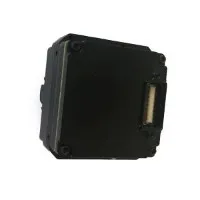
There are different types of cooled IR camera products available in our portfolio, such as the Cooled Ir Camera Module, Cooled Thermal Camera System, and Cooled Ir Camera Core. Each of these products is designed with specific features and capabilities to meet various application requirements.
Advantages of Cooled IR Cameras for Long - Distance Monitoring
High Sensitivity
One of the key advantages of cooled IR cameras for long - distance monitoring is their high sensitivity. Since the detector is cooled, it can detect very weak infrared signals. In long - distance scenarios, the infrared radiation emitted by objects becomes weaker as the distance increases. A cooled IR camera's high sensitivity allows it to pick up these faint signals, enabling the detection of objects that might otherwise be invisible to other types of cameras.
For example, in border security applications, a cooled IR camera can detect the heat signatures of intruders from a significant distance. Even in low - light or adverse weather conditions, where visible light cameras may fail, the cooled IR camera can still provide clear images based on the infrared radiation emitted by the human body.


Excellent Resolution
Cooled IR cameras also offer excellent resolution. The reduced thermal noise in the detector results in sharper and more detailed images. This is particularly important for long - distance monitoring, as it allows operators to identify and analyze objects accurately. Whether it's distinguishing between different types of vehicles or identifying specific features of a wildlife species, the high resolution of cooled IR cameras provides valuable information.
Wide Wavelength Range
Cooled IR cameras typically have a wide wavelength range. They can detect infrared radiation in both the mid - wave infrared (MWIR) and long - wave infrared (LWIR) bands. Different objects emit infrared radiation at different wavelengths, and having a wide wavelength range allows the camera to capture a broader spectrum of information. This is beneficial for long - distance monitoring, as it increases the chances of detecting objects regardless of their specific infrared emission characteristics.
Challenges in Long - Distance Monitoring with Cooled IR Cameras
Atmospheric Absorption
One of the main challenges in long - distance monitoring with cooled IR cameras is atmospheric absorption. The atmosphere can absorb and scatter infrared radiation, especially over long distances. Water vapor, carbon dioxide, and other atmospheric gases can significantly reduce the intensity of the infrared signals reaching the camera. This can lead to a decrease in image quality and the ability to detect objects.
To mitigate this issue, advanced signal processing techniques can be used. These techniques can enhance the weak signals received by the camera, compensating for the atmospheric absorption to some extent. Additionally, choosing the appropriate wavelength band can also help, as different wavelengths are affected by atmospheric absorption to different degrees.
Cost
Cooled IR cameras are generally more expensive than uncooled IR cameras. The cryogenic cooling system required to lower the detector temperature adds to the cost of the camera. This can be a limiting factor for some applications, especially those with budget constraints. However, for applications where high - performance long - distance monitoring is essential, the benefits of cooled IR cameras often outweigh the cost.
Maintenance
Cooled IR cameras also require more maintenance compared to uncooled cameras. The cryogenic cooling system needs to be maintained regularly to ensure its proper operation. This includes checking the coolant level, monitoring the temperature of the detector, and performing routine calibration. Failure to maintain the cooling system can lead to a decrease in camera performance and even damage to the detector.
Applications of Cooled IR Cameras in Long - Distance Monitoring
Military and Defense
In the military and defense sector, cooled IR cameras are widely used for long - distance monitoring. They are used for border surveillance, battlefield reconnaissance, and target detection. The high sensitivity and resolution of cooled IR cameras allow military personnel to detect and track enemy movements from a safe distance. They can also be integrated with other surveillance systems, such as radar and acoustic sensors, to provide a comprehensive situational awareness.
Wildlife Conservation
Cooled IR cameras are also valuable tools for wildlife conservation. They can be used to monitor wildlife populations over large areas. For example, in a national park, cooled IR cameras can be installed at strategic locations to monitor the movement and behavior of endangered species. The high - resolution images provided by the cameras can help researchers understand the habitat use and population dynamics of these species.
Industrial Monitoring
In the industrial sector, cooled IR cameras can be used for long - distance monitoring of large industrial sites. They can detect hot spots in power plants, pipelines, and other industrial equipment from a distance. This allows for early detection of potential problems, preventing costly breakdowns and ensuring the safety of the industrial facilities.
Conclusion
In conclusion, cooled IR cameras have significant potential for long - distance monitoring. Their high sensitivity, excellent resolution, and wide wavelength range make them well - suited for detecting and analyzing objects from a distance. However, they also face challenges such as atmospheric absorption, cost, and maintenance. Despite these challenges, for applications where high - performance long - distance monitoring is required, cooled IR cameras are often the preferred choice.
If you are interested in long - distance monitoring solutions and are considering using cooled IR cameras, I encourage you to reach out to us. Our team of experts can provide you with detailed information about our Cooled Ir Camera Module, Cooled Thermal Camera System, and Cooled Ir Camera Core. We can also assist you in selecting the most suitable product for your specific application and provide support for installation, maintenance, and calibration.
References
- Johnson, R. (2018). Infrared Imaging Technology: Fundamentals and Applications. Springer.
- Smith, A. (2019). Long - Range Surveillance Systems: Design and Implementation. Wiley.
- Thompson, B. (2020). Advances in Thermal Imaging for Defense and Security. Elsevier.