

As a supplier of LWIR (Long-Wave Infrared) Camera Cores, I often receive inquiries from customers about whether these camera cores are affected by weather conditions. This is a crucial question, especially for those who plan to use our products in outdoor environments. In this blog, I'll delve into the impact of various weather conditions on LWIR Camera Cores and provide insights based on scientific knowledge and practical experience.
How LWIR Camera Cores Work
Before discussing the influence of weather, it's essential to understand the basic principle of LWIR Camera Cores. These camera cores detect infrared radiation in the long - wave infrared spectrum (typically around 8 - 14 micrometers). All objects above absolute zero emit infrared radiation, and the intensity of this radiation is related to the object's temperature. LWIR Camera Cores capture this radiation and convert it into an electrical signal, which is then processed to create a thermal image.
Impact of Different Weather Conditions
Rain
Rain can have a significant impact on LWIR Camera Cores. Water droplets in the air can scatter and absorb infrared radiation. When it rains, the water droplets act as small scattering centers, reducing the amount of infrared radiation that reaches the camera core. This can lead to a decrease in image quality, such as reduced contrast and resolution.
In heavy rain, the effect is more pronounced. The high density of water droplets can block a large portion of the infrared signal, making it difficult for the camera core to detect the thermal signatures of objects accurately. For example, if you are using an Infrared Thermal Camera to monitor a distant object during a heavy downpour, the image may appear blurry and lack the necessary details.
Fog and Mist
Fog and mist are composed of tiny water droplets suspended in the air. Similar to rain, these droplets scatter and absorb infrared radiation. However, the effect of fog and mist on LWIR Camera Cores is more complex because the size of the droplets is much smaller than in rain.
In general, LWIR Camera Cores are less affected by fog and mist compared to visible - light cameras. The long - wave infrared radiation can penetrate fog and mist to some extent because the wavelength of LWIR is much larger than the size of the fog droplets. This means that LWIR Camera Cores can still provide useful thermal images in foggy or misty conditions, although the image quality may be slightly degraded.
Snow
Snow can also affect LWIR Camera Cores. Freshly fallen snow is highly reflective in the infrared spectrum. When snow covers objects, it can mask their thermal signatures, making it difficult for the camera core to distinguish between different objects based on their temperature.
In addition, snowflakes in the air can scatter infrared radiation, similar to rain and fog. However, the scattering effect of snowflakes is usually less severe than that of rain because snowflakes are larger and less dense in the air.
Extreme Temperatures
Extreme temperatures, both hot and cold, can impact the performance of LWIR Camera Cores. In high - temperature environments, the camera core itself may overheat, which can lead to thermal noise in the image. Thermal noise appears as random fluctuations in the image, reducing the overall image quality.
On the other hand, in extremely cold temperatures, the materials in the camera core may contract, which can cause mechanical stress and potentially affect the alignment of the optical components. This can result in a decrease in image sharpness and focus.
Mitigation Strategies
Protective Enclosures
One way to mitigate the impact of weather conditions on LWIR Camera Cores is to use protective enclosures. These enclosures can shield the camera core from rain, snow, and dust. They can also help to maintain a stable temperature inside the enclosure, reducing the effect of extreme temperatures on the camera core.
Anti - Reflective and Hydrophobic Coatings
Applying anti - reflective and hydrophobic coatings to the optical components of the camera core can help to reduce the scattering and absorption of infrared radiation caused by water droplets. Anti - reflective coatings can improve the transmission of infrared radiation through the optical elements, while hydrophobic coatings can prevent water from sticking to the surface, reducing the scattering effect.
Signal Processing Algorithms
Advanced signal processing algorithms can be used to enhance the image quality of LWIR Camera Cores in adverse weather conditions. These algorithms can filter out the noise caused by scattering and absorption, improve the contrast and resolution of the image, and enhance the detection of thermal signatures.
Our LWIR Camera Cores and Weather Resistance
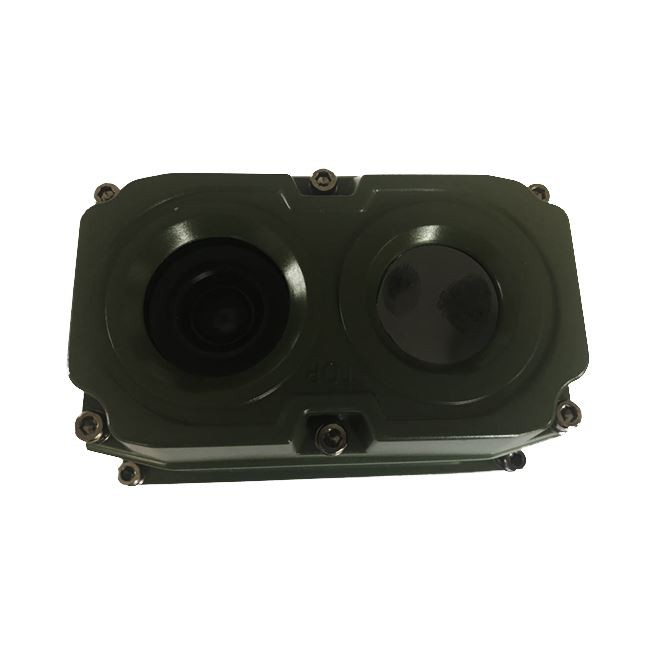
At our company, we understand the importance of weather resistance for LWIR Camera Cores. Our 640 Thermal Camera Cores and Uncooled Thermal Imaging Core are designed with high - quality materials and advanced technologies to minimize the impact of weather conditions.
We use high - grade optical materials with excellent infrared transmission properties. Our camera cores are also equipped with state - of - the - art signal processing algorithms that can adapt to different weather conditions and enhance the image quality. In addition, we offer a range of protective enclosures that are specifically designed for outdoor use, providing reliable protection for our camera cores.
Conclusion
In conclusion, LWIR Camera Cores are indeed affected by weather conditions. Rain, fog, snow, and extreme temperatures can all have an impact on the performance and image quality of these camera cores. However, with the right mitigation strategies and advanced technologies, we can minimize these effects and ensure that our LWIR Camera Cores can provide reliable thermal imaging in various weather conditions.

If you are interested in our LWIR Camera Cores and would like to discuss your specific requirements, please feel free to contact us. We are committed to providing you with the best solutions for your thermal imaging needs.
References
- "Infrared and Electro - Optical Systems Engineering Handbook", edited by Daniel C. Crisp, SPIE Press.
- "Thermal Imaging: Principles, Algorithms, and Applications" by Daniel J. McGrail, CRC Press.


