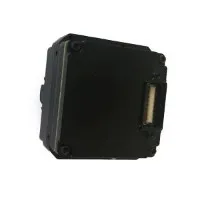

Hey there! As a supplier of Uncooled Camera Cores, I often get asked about the radiation resistance of these nifty little devices. So, let's dive right in and break it down.
First off, what exactly are uncooled camera cores? Well, they're a key component in thermal imaging cameras. Unlike cooled camera cores that need a cryogenic cooler to operate at low temperatures, uncooled camera cores can work at room temperature. This makes them more cost - effective, smaller, and more power - efficient. And that's why they're super popular in a whole bunch of applications, from security and surveillance to industrial inspections and even in some consumer products.
Now, let's talk about radiation resistance. Radiation resistance in the context of uncooled camera cores refers to the ability of these cores to withstand the effects of different types of radiation. There are mainly two types of radiation we need to be concerned about: electromagnetic radiation and particle radiation.
Electromagnetic radiation is all around us. It includes things like visible light, infrared light, ultraviolet light, radio waves, and even X - rays and gamma rays. For uncooled camera cores, the most relevant type of electromagnetic radiation is infrared radiation, since that's what they're designed to detect. However, other forms of electromagnetic radiation can also have an impact.
Infrared radiation is what uncooled camera cores are built to sense. They work by detecting the heat emitted by objects in the form of infrared radiation. Different materials and designs of uncooled camera cores have different sensitivities to infrared radiation. Some cores are more sensitive to long - wave infrared (LWIR) radiation. You can check out our LWIR Micro Thermal Camera Module which is specifically designed to handle LWIR radiation effectively.
But what about other forms of electromagnetic radiation? For example, high - energy electromagnetic radiation like X - rays and gamma rays can cause damage to the electronic components of the uncooled camera core. These high - energy rays can ionize atoms in the core's materials, which can lead to changes in the electrical properties of the components. This can result in malfunctions, such as incorrect readings or even complete failure of the core.
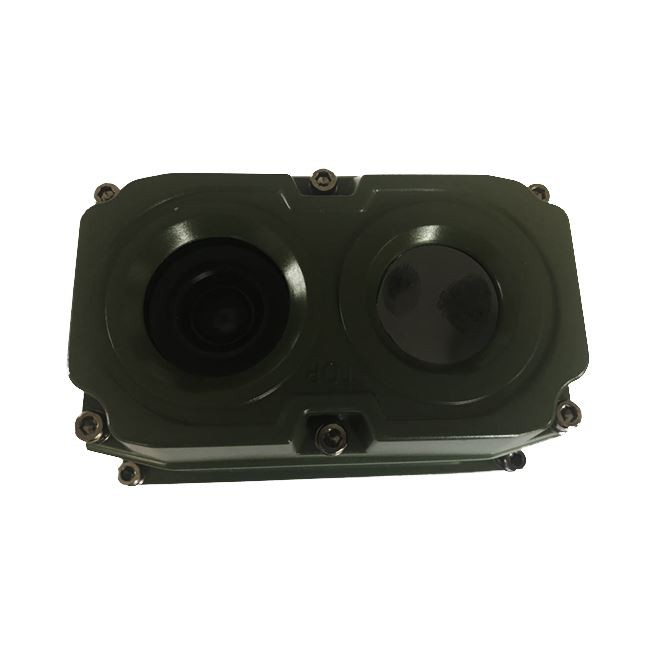

Particle radiation is another concern. This includes things like alpha particles, beta particles, and neutrons. Alpha particles are relatively large and heavy, and they can be stopped by a thin layer of material. However, if they manage to penetrate the camera core, they can cause significant damage to the delicate electronic circuits. Beta particles are smaller and more energetic, and they can penetrate deeper into the core. Neutrons are neutral particles, and they can interact with the atomic nuclei in the core's materials, causing nuclear reactions that can also damage the core.
So, how do we make uncooled camera cores more radiation - resistant? One way is through the choice of materials. We use special materials that are more resistant to radiation damage. For example, some semiconductor materials are more stable under radiation exposure than others. By carefully selecting these materials, we can improve the overall radiation resistance of the core.
Another approach is to use shielding. We can add layers of shielding materials around the core to protect it from radiation. For electromagnetic radiation, conductive materials like copper can be used to create a Faraday cage effect, which blocks out external electromagnetic fields. For particle radiation, materials like lead or polyethylene can be used to absorb or deflect the particles.
Our 640 Thermal Camera Cores are designed with radiation resistance in mind. We've incorporated advanced materials and shielding techniques to ensure that they can operate reliably even in environments with moderate levels of radiation.
The radiation resistance of uncooled camera cores also has an impact on their performance in different applications. In industrial settings, for example, there may be sources of radiation from welding operations or from the use of radioactive materials. A camera core with good radiation resistance will be able to provide accurate thermal images even in these challenging environments.
In the field of security and surveillance, cameras may be exposed to various types of electromagnetic interference. A radiation - resistant core will be less likely to be affected by this interference, ensuring that the surveillance system can operate smoothly and provide clear images.
In the consumer market, uncooled camera cores are starting to be used in things like smart home devices. While the radiation levels in a home environment are generally low, having a radiation - resistant core still provides an extra layer of reliability.
It's important to note that the radiation resistance of uncooled camera cores is not an absolute value. It depends on many factors, such as the type and intensity of the radiation, the duration of exposure, and the specific design and construction of the core.
We're constantly working on improving the radiation resistance of our uncooled camera cores. Through research and development, we're exploring new materials and designs that can offer even better protection against radiation.
If you're in the market for an uncooled camera core, you might also be interested in our Infrared Thermal Camera. It's a great example of how our focus on radiation resistance and other performance factors comes together to create a high - quality product.
In conclusion, radiation resistance is an important aspect of uncooled camera cores. Whether it's dealing with the infrared radiation they're designed to detect or protecting against other forms of harmful radiation, we're committed to providing camera cores that are reliable and durable.
If you're interested in learning more about our uncooled camera cores or have any questions about radiation resistance, feel free to reach out to us. We'd love to have a chat with you and discuss how our products can meet your specific needs. Let's start a conversation and see if we can find the perfect uncooled camera core solution for you.
References
- "Thermal Imaging Fundamentals" by some thermal imaging experts
- "Radiation Effects on Electronic Devices" from a well - known electronics research publication