

What is EO/IR (Electro-Optical / Infrared)?
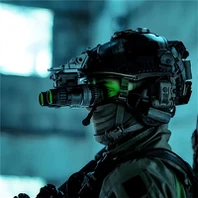
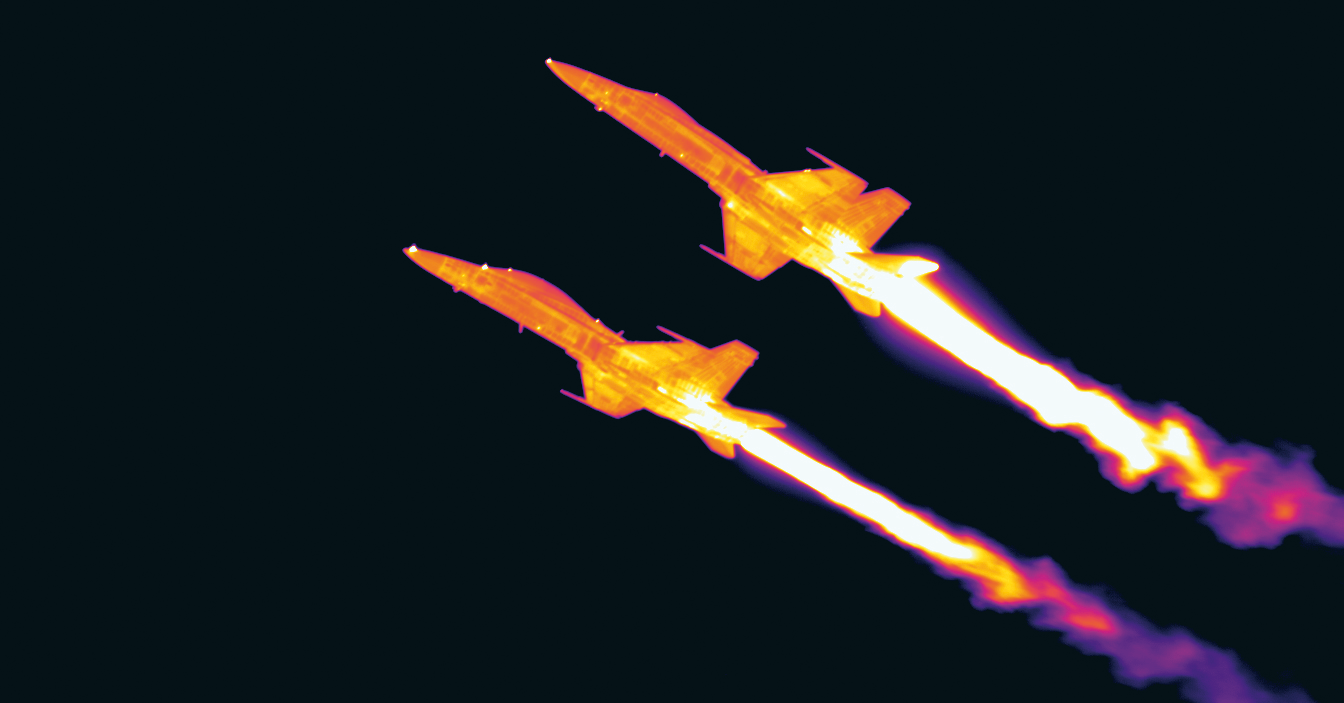
EO/IR refers to an integrated imaging system that combines electro-optical (EO) cameras operating in the visible and near-infrared spectrum with infrared (IR) thermal sensors capable of detecting heat signatures. Together, these sensors enable platforms-such as UAVs, security towers, vehicles, and maritime systems-to capture both visual and thermal information in real time. This dual-sensor architecture provides superior situational awareness, allowing operators to detect structural details, thermal anomalies, and human or vehicle targets under all lighting conditions, day or night.
Usage
EO/IR systems are widely used across surveillance, security, inspection, and emergency response applications. They support border and coastal monitoring, search and rescue missions, critical infrastructure inspection, law-enforcement surveillance, and defense reconnaissance. EO sensors deliver high-definition visual imagery for object identification, while IR sensors reveal heat signatures-such as humans, animals, overheating equipment, or thermal leakage-making the system indispensable for rapid decision-making and mission-critical operations.
How Does EO/IR Work?
●Integrated Multispectral Sensors
An EO/IR system combines visible-light cameras with thermal imaging sensors within a stabilized gimbal payload. This multispectral approach ensures reliable imaging in bright sunlight, low-light environments, and total darkness.
●Simultaneous Visual & Thermal Acquisition
Both sensors operate concurrently. The EO camera captures structural and visual details, while the IR sensor detects heat differentials such as human body heat, machinery hotspots, or fire sources. This simultaneous acquisition provides a comprehensive view of the monitored scene.
●Image Processing and Fusion
Captured EO and IR data can be processed and fused to present a unified image with overlaid thermal information. This fusion allows operators to interpret complex environments more quickly-for example, identifying a warm human silhouette hidden in dense terrain.
●Precision PTZ, Target Tracking, and Detection
Most EO/IR payloads feature advanced pan-tilt-zoom (PTZ) gimbals with high-precision stabilization. Combined with onboard algorithms, the system can lock onto, track, and follow moving targets, ensuring consistent visibility even when deployed on fast-motion UAVs or vehicles.
●Real-Time Transmission and Recording
Both video streams can be transmitted to a ground control station for live monitoring while simultaneously recorded for post-mission analysis, documentation, and evidence gathering.
Example in Use
During search-and-rescue operations, a UAV equipped with an EO/IR payload can rapidly locate missing persons: the EO camera identifies terrain details and obstacles, while the IR sensor highlights body-heat signatures against the cooler environment. Image fusion enables operators to pinpoint the target's exact location, significantly accelerating rescue response.
Relevance to the Industry
EO/IR technology plays a critical role in modern surveillance and data-driven operations. It enhances mission efficiency, strengthens situational awareness, supports rapid threat identification, and ensures reliable performance in variable environmental conditions. This makes EO/IR payloads essential for public safety organizations, industrial operators, and defense users seeking high-accuracy, all-weather monitoring capabilities.
Applied Example: Huirui Infrared Multispectral EO/IR System
Huirui Infrared's multispectral, multisensorEO/IR systemintegrates visible light (EO), SWIR, and LWIR thermal channels within a high-precision gimbal architecture. Designed for UAVs and mobile platforms, the system weighs under 10 kg and delivers high-speed maneuverability with fast angular velocity and acceleration-ideal for dynamic aerial missions. It supports simultaneous multi-channel output, real-time image fusion, intelligent tracking, and stable long-range observation. This makes it highly suitable for border security, infrastructure inspection, reconnaissance, emergency response, and 24/7 aerial surveillance.
Buyer FAQs
1. Does an EO/IR system require a high-capacity UAV platform?
Most advanced EO/IR payloads require stable power and gimbal support. Lightweight multispectral systems-such as Huirui Infrared's <10 kg payload-are optimized for small to medium UAV platforms.
2. How well does the system perform at night or in low visibility?
EO/IR systems operate effectively in low light, fog, haze, and total darkness thanks to IR thermal imaging, which detects heat signatures independent of ambient lighting.
3. Can the EO/IR payload perform automatic target tracking?
Yes. Modern systems include intelligent tracking algorithms and high-speed gimbals capable of locking onto and following moving targets in real time.
4. Can visual and thermal footage be output simultaneously?
Yes. Dual-channel output is standard in multispectral EO/IR systems, enabling operators to view EO and IR feeds independently or as a fused composite.
5. Does the system support remote operation and long-range data transmission?
Most EO/IR payloads support full remote control through ground stations and provide real-time video transmission for live mission monitoring.
6. Can the EO/IR configuration be customized for different missions?
Yes. Manufacturers typically offer customizable sensor configurations, lens options, and software functions to optimize performance for surveillance, inspection, rescue, or reconnaissance tasks