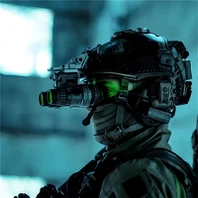


Thermal imaging cameras, often referred to as infrared cameras, utilize infrared radiation to create images by detecting the heat emitted by objects or subjects. These cameras capture the thermal radiation emitted by objects in the form of heat and then convert it into a visible image. The resulting image, known as a thermogram or thermographic image, displays variations in temperature as different colors or shades.
The applications of thermal imaging cameras span a wide range of industries and fields due to their unique ability to visualize and detect heat signatures, providing valuable insights beyond what the human eye can perceive. Here's an in-depth look at their diverse uses:
1. Building Inspections and Construction: Thermal cameras are employed to identify heat leaks, moisture intrusion, electrical faults, and insulation deficiencies in buildings. They help professionals locate areas with poor insulation, water leaks, or faulty wiring, facilitating maintenance and energy efficiency improvements.
2. Electrical and Mechanical Inspections: In industries such as manufacturing, electrical, and mechanical engineering, thermal imaging cameras are utilized for predictive maintenance. They detect abnormal heat patterns in machinery, electrical panels, and components, enabling early identification of potential failures, preventing costly breakdowns, and ensuring workplace safety.
3. HVAC (Heating, Ventilation, and Air Conditioning): In HVAC systems, thermal cameras are used to assess temperature distribution, identify blockages, detect leaks in ductwork, and optimize the efficiency of heating and cooling systems.
4. Firefighting and Search and Rescue: In firefighting and search and rescue operations, thermal imaging cameras aid in locating individuals in smoke-filled environments or during night-time operations. Firefighters use these cameras to identify hotspots, navigate through low-visibility conditions, and rescue people in distress.
5. Law Enforcement and Security: Law enforcement agencies utilize thermal cameras for surveillance, detecting trespassers or suspects in low-light conditions, locating hidden objects or individuals, and monitoring border security.
6. Wildlife Observation and Environmental Studies: Biologists and environmentalists utilize thermal cameras for wildlife observation, tracking animals, studying their behavior, and conducting ecological surveys. Additionally, these cameras are employed in environmental research to monitor temperature variations in ecosystems and study climate change effects.
7. Medical and Veterinary Applications: In the medical field, thermal imaging is used for various diagnostic purposes, such as detecting inflammation, identifying circulatory issues, and locating areas of abnormal heat in the body. Similarly, in veterinary medicine, thermal cameras aid in diagnosing injuries, identifying infections, and assessing animal health.
8. Aerospace and Automotive Industries: Thermal imaging is utilized in aerospace for aircraft maintenance and troubleshooting. In the automotive industry, it assists in testing vehicle components, detecting overheating issues, and optimizing engine performance.
The versatility of thermal imaging cameras, offering non-contact, real-time temperature measurements and visualization of heat patterns, makes them invaluable across diverse industries, enhancing efficiency, safety, and decision-making processes. Their ability to reveal thermal anomalies and detect heat variations provides a unique perspective, enabling professionals to identify and address issues that would otherwise remain hidden.