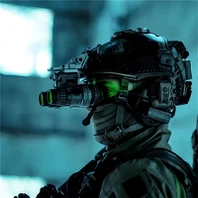


Yes, thermal binoculars can indeed work during the day, although their primary design and function are optimized for low-light or nighttime conditions. Here's a detailed explanation of how thermal binoculars function during daylight hours:
Principle of Operation:
Thermal binoculars operate on the principle of detecting infrared radiation emitted by objects due to their temperature. Even during daylight, all objects emit infrared radiation to varying degrees based on their temperature. Thermal binoculars capture this infrared radiation and convert it into visible images, regardless of the ambient light conditions.
Detecting Temperature Differences:
During the day, thermal binoculars can still effectively detect temperature differences between objects and their surroundings. This ability allows users to spot anomalies or identify targets based on their thermal signatures. For example, in search and rescue operations, thermal binoculars can help locate individuals based on their body heat, even in broad daylight.
Applications During Daylight:
Thermal binoculars have numerous applications during the day. Law enforcement agencies can use them for surveillance, tracking suspects, or monitoring large crowds, leveraging the ability to detect individuals based on their thermal signatures. Similarly, military personnel can use thermal binoculars for reconnaissance, target acquisition, and perimeter surveillance during daylight hours.
Wildlife Observation:
Wildlife enthusiasts and researchers also benefit from thermal binoculars during the day. These devices enable the observation of animals based on their body heat, allowing for non-intrusive monitoring without disturbing natural habitats. Thermal binoculars can help track elusive or nocturnal animals that may be active during the day.
Industrial and Environmental Applications:
In industrial settings, thermal binoculars find applications in detecting overheating machinery, identifying energy inefficiencies, or inspecting buildings for insulation leaks. Environmental agencies may use them for monitoring thermal patterns in ecosystems, identifying heat sources such as wildfires or illegal waste dumping sites.
Limitations and Considerations:
While thermal binoculars can function during the day, their effectiveness may be reduced compared to nighttime use. In daylight, the contrast between objects may be less pronounced, making it challenging to distinguish targets from their surroundings. Additionally, direct sunlight can sometimes overwhelm the thermal sensor, leading to reduced clarity or temporary blindness in extreme cases.
Optimization for Daylight Conditions:
Some thermal binocular models feature adjustable settings or image enhancements to optimize performance during daylight hours. These enhancements may include image polarity adjustments, contrast enhancements, or dynamic range adjustments to improve visibility and target identification in varying light conditions.
In conclusion, while thermal binoculars are primarily designed for low-light and nighttime use, they can still function effectively during the day, offering valuable capabilities for a wide range of applications across different industries and activities.