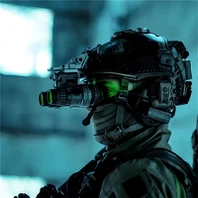


The performance of the Long Range PTZ Camera in low-light or nighttime conditions is a crucial aspect of its functionality, especially in surveillance and security applications where visibility is essential round the clock.
Here's a comprehensive explanation of how the camera performs under such conditions:
Low-Light Sensitivity: The Long Range PTZ Camera is equipped with advanced image sensors specifically designed to excel in low-light environments. These sensors are highly sensitive to light, allowing the camera to capture clear and detailed images even in dimly lit conditions. This sensitivity enables the camera to produce usable footage with minimal ambient light, ensuring that surveillance operations remain effective even during nighttime hours or in areas with limited illumination.
Infrared Illumination: Many Long Range PTZ Cameras feature built-in infrared (IR) illumination capabilities to enhance visibility in complete darkness. These IR LEDs emit invisible infrared light that is invisible to the human eye but detectable by the camera's sensor. By illuminating the scene with IR light, the camera can effectively "see" in total darkness, providing surveillance coverage around the clock without the need for external lighting sources. This feature is particularly valuable for outdoor applications where consistent lighting may not be available or feasible.
Wide Dynamic Range (WDR): Long Range PTZ Cameras often incorporate Wide Dynamic Range (WDR) technology to compensate for extreme variations in lighting conditions within the same scene. WDR enables the camera to capture detail-rich images even in challenging lighting scenarios, such as areas with both bright sunlight and deep shadows. By adjusting exposure settings dynamically, the camera ensures that both bright and dark areas are properly exposed, resulting in balanced and highly detailed footage with minimal loss of information.
Noise Reduction: To maintain image clarity and reduce visual noise in low-light conditions, Long Range PTZ Cameras utilize advanced noise reduction algorithms. These algorithms suppress image noise caused by low-light sensitivity, resulting in cleaner and more refined images with improved clarity and detail. By minimizing noise artifacts, the camera enhances the visibility of objects and subjects in low-light environments, facilitating accurate identification and analysis for surveillance purposes.
Electronic and Optical Enhancements: Long Range PTZ Cameras may employ a combination of electronic and optical enhancements to optimize image quality in low-light situations. Electronic enhancements, such as digital noise reduction and image stabilization, help to reduce noise and blur, resulting in sharper and more stable footage. Optical enhancements, such as high-quality lenses and large aperture openings, maximize light transmission to the camera's sensor, improving overall sensitivity and performance in low-light conditions.
In summary, the Long Range PTZ Camera performs exceptionally well in low-light or nighttime conditions, thanks to its advanced image sensors, infrared illumination capabilities, wide dynamic range technology, noise reduction algorithms, and electronic/optical enhancements. By leveraging these features, the camera ensures that surveillance operations remain effective and reliable even in challenging lighting environments, providing round-the-clock security and monitoring capabilities for a wide range of applications.